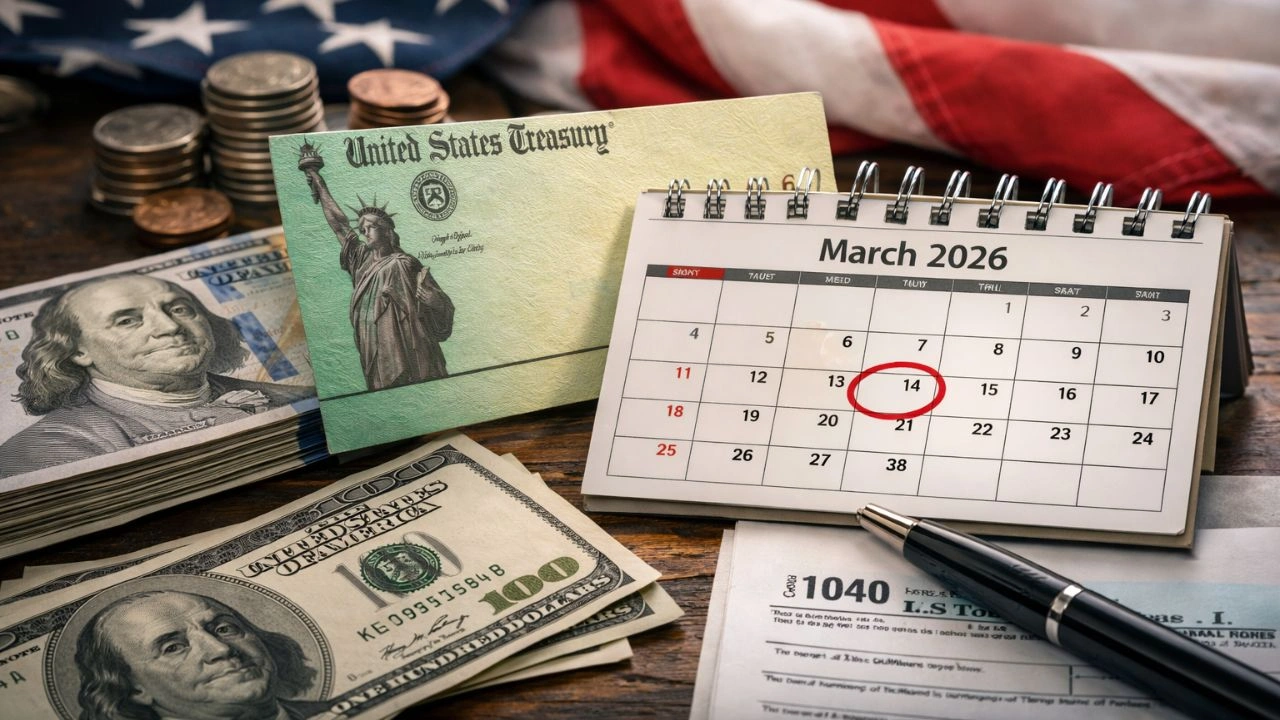
As 2026 unfolds, millions of Americans find themselves looking forward to a significant financial boost. The Internal Revenue Service (IRS) has announced that eligible U.S. citizens will receive a direct deposit relief payment of approximately $1,390 in March 2026. This initiative is part of the government's ongoing efforts to alleviate financial pressures stemming from rising inflation and everyday living costs. For many families, this payment represents a lifeline, providing much-needed assistance during challenging economic times.
Significance of the $1,390 Relief Payment
The anticipated $1,390 direct deposit is more than just a simple transaction; it is a critical form of financial relief aimed at aiding those with limited income or experiencing economic hardships. Over recent years, the U.S. government has rolled out various economic assistance programs to support its citizens, and this latest payment builds upon those foundations. As the cost of living continues to rise, such payments can help families manage expenses related to essentials like food, housing, and healthcare. By targeting individuals most in need—such as low-income households and senior citizens—the government aims to provide timely relief where it is needed most.
Direct Deposit: A Swift and Secure System
One of the standout features of this relief payment is its delivery method through direct deposit. This system allows the IRS to transfer funds straight into recipients' bank accounts without requiring any additional actions from them. For individuals who have already shared their banking details with the IRS, this means a quick and hassle-free transaction process. In an era where time is precious and efficiency is key, direct deposit ensures that assistance reaches beneficiaries swiftly and securely. Furthermore, this method reduces administrative burdens and minimizes delays typically associated with traditional paper checks.

Eligibility Criteria for Receiving the Payment
Eligibility for the $1,390 relief payment will likely be determined by specific criteria established by the IRS. Generally speaking, these payments are extended to those who have filed their tax returns recently or whose income levels meet certain thresholds set by the agency. Low-income families, senior citizens, and individuals qualifying for particular tax credits are among those who might benefit from this financial aid. However, not everyone will automatically qualify; maintaining up-to-date tax records can play a crucial role in determining eligibility. Therefore, individuals are encouraged to ensure their financial information is current to maximize their chances of receiving this support.
Timeline and Distribution Phases
The projected timeframe for distributing these payments is March 20, 2026. The IRS typically releases funds in phases to manage distribution effectively across a broad spectrum of eligible recipients. This phased approach helps ensure that resources are allocated systematically and that no eligible individual is left out due to logistical oversights. For those who have already opted for direct deposit with their previous tax filings, payments could arrive relatively quickly after they are initiated by the IRS. On the other hand, individuals without banking information on file may experience delays as alternative methods of distribution are arranged.
Preparing for Receipt of Payments
As March 2026 approaches, it becomes increasingly important for potential recipients to prepare adequately for this relief payment. Checking that tax records are accurate and up-to-date is essential for avoiding any potential hiccups in receiving funds. Moreover, individuals should confirm that their banking details on file with the IRS are correct to facilitate seamless direct deposits. Those uncertain about their eligibility or needing assistance may consider consulting tax professionals or utilizing IRS resources to clarify any concerns they might have about receiving their payments.

Disclaimer: This article provides general information about anticipated IRS relief payments in March 2026 based on available data at the time of writing. Eligibility requirements may vary based on individual circumstances; thus readers are advised to consult official IRS announcements or seek professional guidance for personalized advice regarding financial assistance programs.