Wheat pennies, officially called Lincoln Wheat Cents, continue to attract strong interest from coin collectors across the United States. Minted from 1909 to 1958, these coins were once used in everyday transactions but have gradually gained collectible value. Their long history, classic design, and wide availability make them appealing to both beginners and experienced collectors. Understanding how wheat penny values have changed over time can help collectors make better buying, selling, and holding decisions.
A Brief History of Wheat Pennies
Lincoln Wheat Cents were introduced in 1909 to honor the 100th birthday of Abraham Lincoln. They became the first U.S. coins to feature a real historical figure instead of a symbolic design. The front shows Lincoln’s profile, while the back displays two wheat ears, representing growth and prosperity. These coins were produced for nearly fifty years, covering major historical events such as the Great Depression and World War II, which adds to their historical importance.
Why Wheat Pennies Remain Popular
Collectors are drawn to wheat pennies because they are affordable compared to many other antique coins, yet they still offer the possibility of finding rare and valuable pieces. The wide range of dates, mint marks, and varieties keeps the hobby interesting. Some coins are common, while others are scarce due to limited production or minting errors, creating excitement for collectors searching through old collections or coin rolls.

Value Trends Over the Last Decade
Over the past ten years, wheat penny prices have shown steady growth. Common dates in worn condition are still easy to find and remain inexpensive, but even these have slowly increased in value as supplies shrink. Coins in better condition have seen much stronger price growth. Well-preserved examples with sharp details and original color are now worth more than they were a decade ago.
Key Dates and Scarce Issues
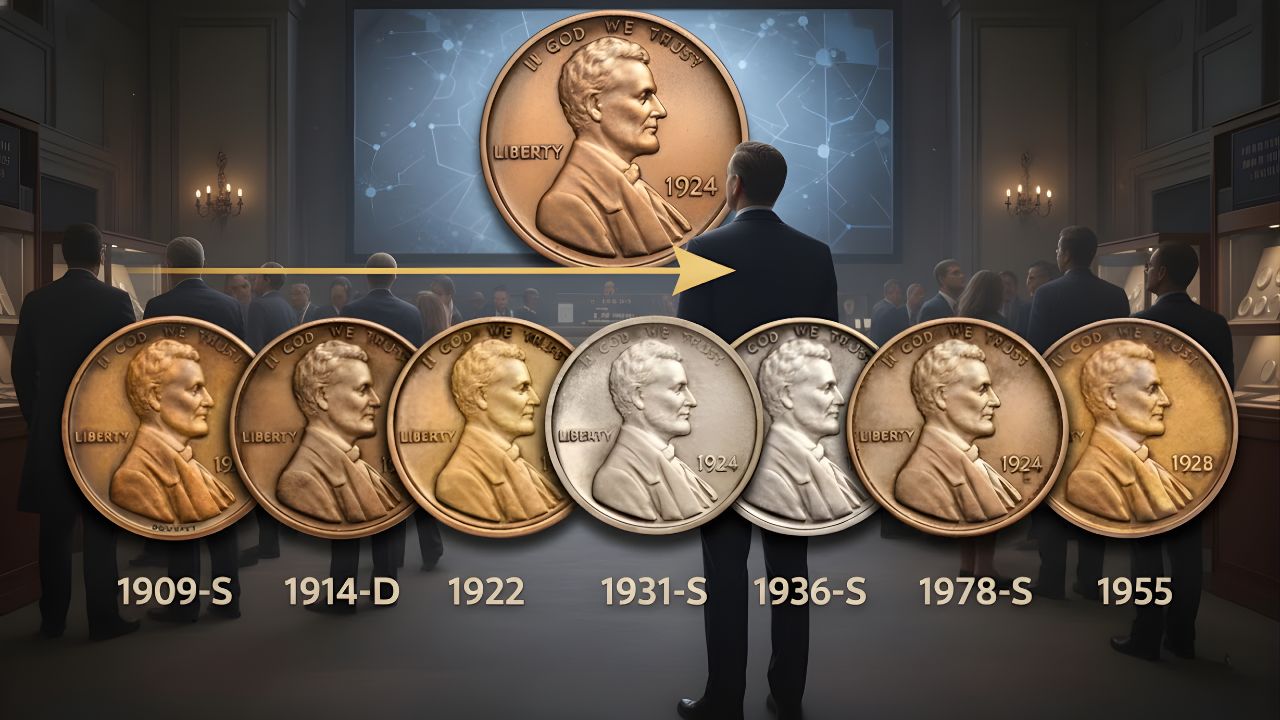
Certain wheat pennies are especially valuable due to low mintage or high collector demand. Coins like the 1909-S VDB, 1914-D, and 1931-S have experienced significant price increases over the years. These coins are considered essential for serious collectors, and competition for high-quality examples has driven prices higher.
The Importance of Condition
Condition plays a major role in determining value. A heavily worn coin may be worth only a small amount, while the same coin in excellent condition can be worth many times more. Over the last decade, collectors have increasingly focused on higher-grade coins, causing prices for uncirculated wheat pennies to rise faster than lower-grade examples.

How to Evaluate Your Wheat Pennies
To estimate value, collectors should check the date and mint mark and carefully examine the coin’s condition. Looking for unusual features such as doubling or striking errors is also important. Comparing coins with recent sales and trusted price guides can provide a realistic value estimate.
Final Thoughts on Wheat Penny Collecting
Lincoln Wheat Cents continue to offer a rewarding collecting experience. Their steady price appreciation, historical significance, and wide variety make them a strong choice for long-term collectors. With careful handling, research, and patience, wheat pennies can provide both enjoyment and lasting value.
Disclaimer:
This article is for informational purposes only and does not constitute financial or investment advice. Coin values depend on market demand, condition, rarity, and grading standards, which may change over time. Always consult current price guides or professional numismatists before buying or selling collectible coins.