As the new year begins, millions of Americans who rely on Social Security are eager to know when their payments will arrive. This includes retirees, people receiving Social Security Disability Insurance (SSDI), and Supplemental Security Income (SSI) recipients. January is particularly important because holidays can slightly shift payment dates, so understanding the official schedule from the Social Security Administration (SSA) is essential for planning finances.
How Social Security Determines Payment Dates
The SSA follows a structured monthly payment system. Your payment date mainly depends on when you first started receiving benefits and, in some cases, your date of birth. This system ensures smooth payment processing for tens of millions of beneficiaries and helps prevent delays at banks.

Payments for Long-Time Beneficiaries
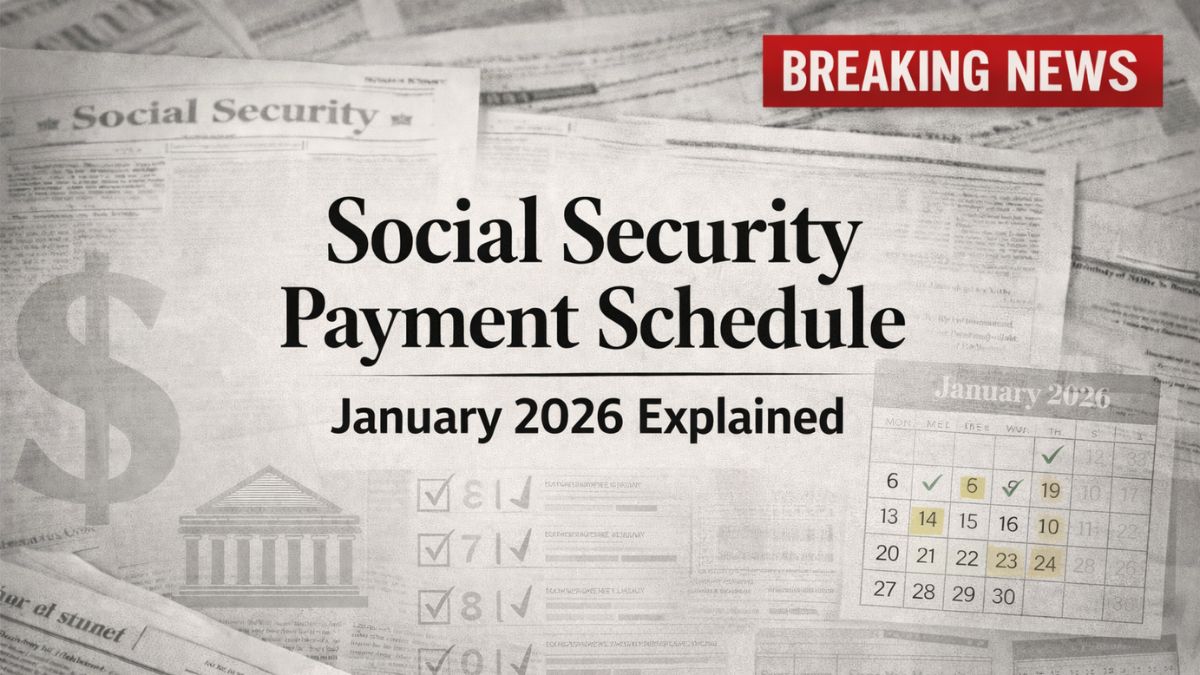
If you began receiving Social Security benefits before May 1997, your payment schedule is simple. For January 2026, these beneficiaries will receive their payments on January 2, 2026. This date applies to retirement, SSDI, and survivor benefits under this category and does not change based on birth date.
Payments for Newer Beneficiaries

For people who started receiving Social Security after May 1997, payments are distributed on Wednesdays throughout the month. The specific Wednesday depends on the beneficiary’s birth date. This staggered approach allows the SSA to process payments efficiently and ensures deposits arrive on time without overloading banking systems.
SSI Payment Adjustments in January 2026
Supplemental Security Income is usually paid on the first of each month. However, because January 1, 2026, is a federal holiday, SSI payments will be issued earlier. Eligible recipients will receive their January payment on December 31, 2025. This is not an extra payment but simply an early release of the regular monthly benefit.

What to Do if Your Payment Is Delayed
If your Social Security or SSI payment does not arrive as scheduled, the SSA recommends first checking with your bank or financial institution. Sometimes processing delays occur. If your bank confirms no deposit, you should contact the SSA directly. The agency will review your case and take action if a payment needs to be reissued.
Why Knowing Your Payment Schedule Matters

Knowing exactly when your payment will arrive helps you plan essential monthly expenses, including rent, utilities, food, and medical costs. January can be financially demanding, and understanding your payment schedule can reduce stress and prevent late fees or overdrafts.
Staying Informed in 2026
The SSA continues to update beneficiaries through official notices, online accounts, and public announcements. Staying informed about payment schedules and administrative changes is one of the best ways to manage finances confidently throughout the year.

Final Thoughts
The January 2026 Social Security payment schedule follows clear rules with minor adjustments for the New Year holiday. Whether you receive retirement benefits, SSDI, or SSI, knowing your exact payment date allows for better financial planning and peace of mind as the year begins.
Disclaimer

This article is for informational purposes only and does not constitute financial, legal, or benefits advice. Social Security rules, payment schedules, and policies may change. Individual situations vary. For the most accurate and up-to-date information, readers should consult the official Social Security Administration website or contact the SSA directly.