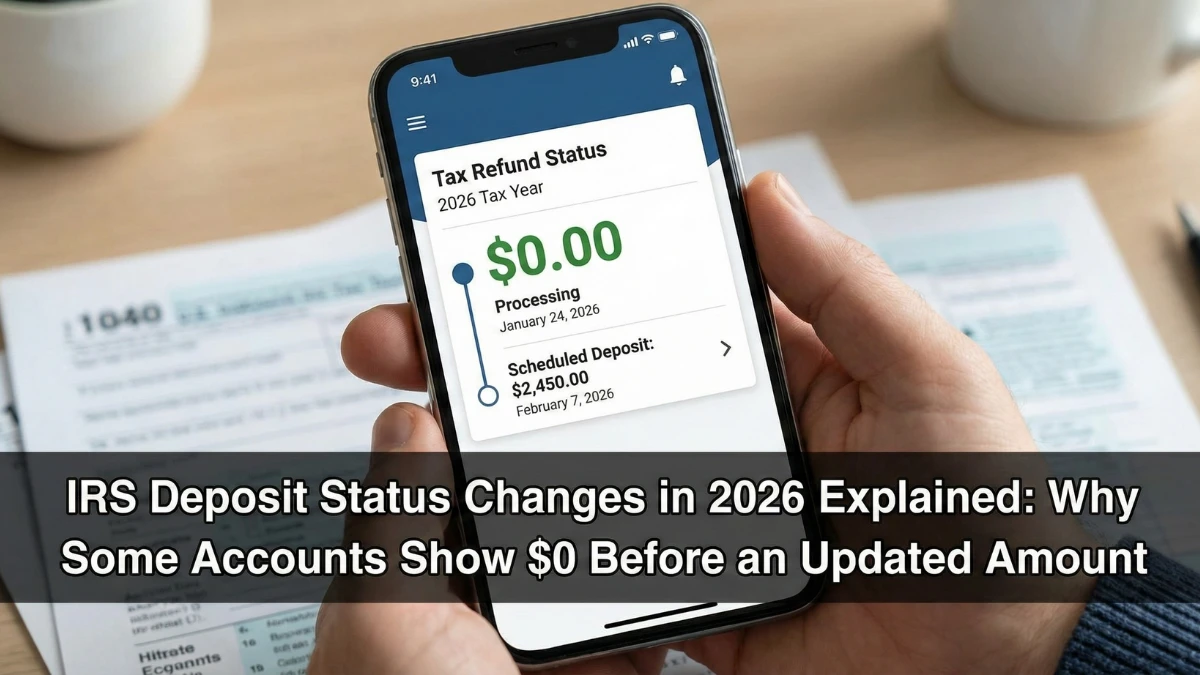
The IRS has announced a $2,000 deposit planned for January 2026 for eligible taxpayers. This payment is designed as financial relief and is separate from a regular tax refund. The IRS plans to use recent tax records to determine who qualifies and to send payments automatically. For many households, this deposit could help cover basic expenses at the start of the year.
Who May Qualify for the $2,000 Payment
Eligibility for the $2,000 deposit mainly depends on your filing status, adjusted gross income, dependent status, and whether you have a valid Social Security number. In most cases, you must be a U.S. resident and have filed a required tax return for the previous year. The IRS is expected to release exact income limits and dependent rules closer to the payment date. Nonresident aliens and some taxpayers who file using an ITIN are often excluded unless the IRS clearly states otherwise.
When to Expect the January 2026 Payment
The IRS has set the payment period for January 2026. As with other IRS payments, deposits are usually sent out in waves rather than all at once. Some people may receive the money early in the month, while others may see it later. Payments can arrive by direct deposit, paper check, or debit card, depending on what information the IRS has on file. Direct deposits typically appear within a few business days, though slower banks may take slightly longer to post the funds.

What to Do If You Do Not Receive the Deposit
If you believe you qualify but do not receive the $2,000 deposit, do not assume the money is lost. The IRS usually provides a way to claim missing payments when you file your tax return for the relevant year. You should first check IRS online tools to confirm whether the payment was sent and where it was directed. Keeping copies of tax returns, bank statements, and IRS notices can make resolving issues easier.
Handling Errors and Special Situations
If the payment goes to an old bank account or the wrong address, contact both your bank and the IRS as soon as possible. Do not spend money that was deposited by mistake, as the IRS may require it to be returned. Taxpayers who moved should update their address with the IRS to avoid delays. In complex cases, such as identity theft or conflicting records, professional tax help may reduce stress and errors.
Disclaimer
This article is for general informational purposes only and is not tax or legal advice. IRS programs, payment amounts, eligibility rules, and timelines may change. Always confirm details through official IRS sources or consult a qualified tax professional for advice specific to your situation.