Every year, millions of Americans wait for their tax refund to help manage household expenses, pay off bills, or build a small savings buffer. As the 2026 tax filing season begins for the 2025 tax year, questions about when refunds will arrive are already common. While the IRS does not publish an exact refund calendar, understanding how the system works can make the waiting period less stressful.
Why There Is No Fixed Refund Date
The IRS does not issue refunds on set dates like paychecks. Each tax return goes through a processing system that includes automated checks, identity verification, and fraud prevention steps. Because every tax situation is different, refunds move at different speeds. This is why two people who file on the same day may receive their refunds weeks apart without any problem.

When the IRS Will Start Processing Returns
The IRS is expected to begin accepting and processing 2025 tax returns in late January 2026, similar to previous years. Taxpayers who file early are placed closer to the front of the processing line. However, filing in January does not usually mean receiving a refund in January. Most early refunds begin arriving from mid-February onward.
How Filing Method Affects Refund Speed

Electronic filing is the fastest option. Returns filed online are processed more quickly and are easier for the IRS to review. Choosing direct deposit further speeds up delivery. Paper returns take much longer because they must be handled manually, which can add several weeks. Mailed paper checks take even more time due to printing and postal delivery.
Typical Refund Timeframes in 2026
Based on past patterns, electronically filed returns with direct deposit often receive refunds within 10 to 21 days. Electronic filers who choose paper checks may wait three to four weeks. Paper returns with direct deposit may take four to six weeks, while paper checks can take eight weeks or longer. These are estimates, not guarantees.

How Tax Credits Can Delay Refunds
Refunds that include credits such as the Earned Income Tax Credit or the Additional Child Tax Credit are legally held until at least mid-February. Even if you file early, the IRS cannot release these refunds before that date. This rule is meant to reduce fraud, even though it can be frustrating for taxpayers.
Other Reasons Refunds Get Delayed

Simple mistakes like incorrect Social Security numbers, name mismatches, or missing income information can trigger manual review. Identity verification requests may also pause processing. Incorrect bank details can cause direct deposits to fail, forcing the IRS to resend the refund by mail.
Tracking Your Refund Status
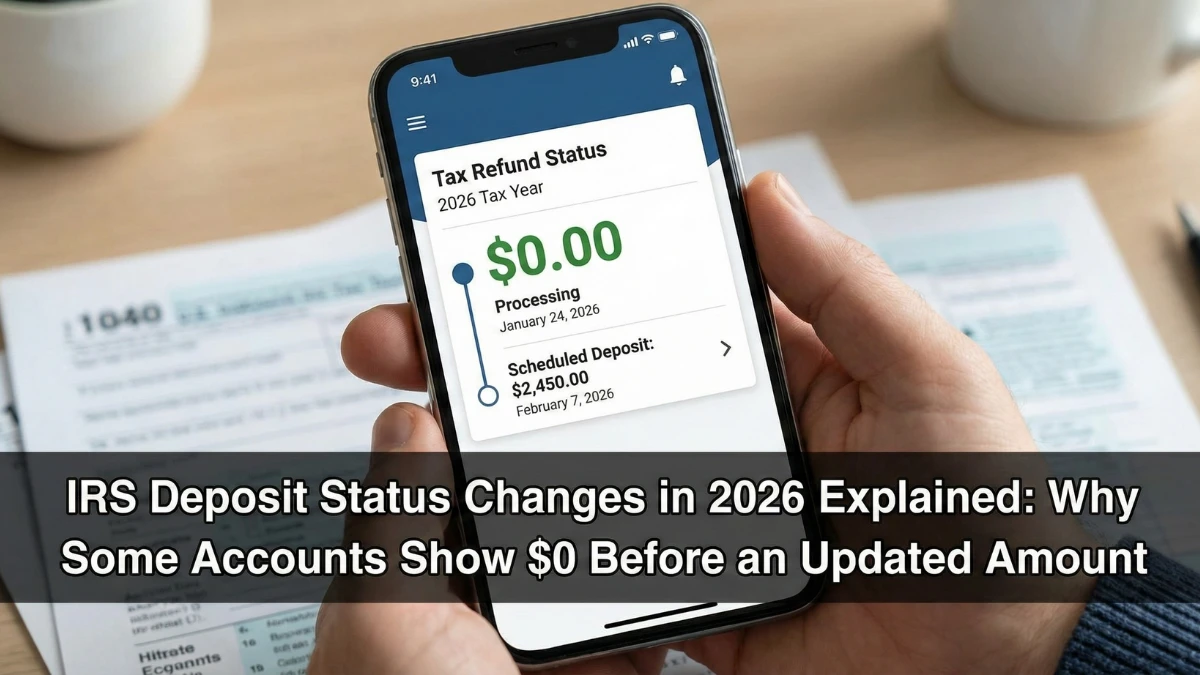
The IRS “Where’s My Refund?” tool is the best way to check progress. It updates daily and shows whether your return is received, approved, or sent. Long gaps between updates are common and do not always mean something is wrong.

Final Thoughts for Taxpayers
The 2026 tax season is expected to be more stable than pandemic years, but delays can still happen. Filing early, double-checking information, and using direct deposit remain the best ways to reduce wait times. Estimated dates should be treated as time windows, not promises.
Disclaimer

This article is for informational purposes only and does not provide tax, financial, or legal advice. IRS rules, refund timelines, and procedures may change. For accurate and personalized guidance, consult official IRS resources or a qualified tax professional.