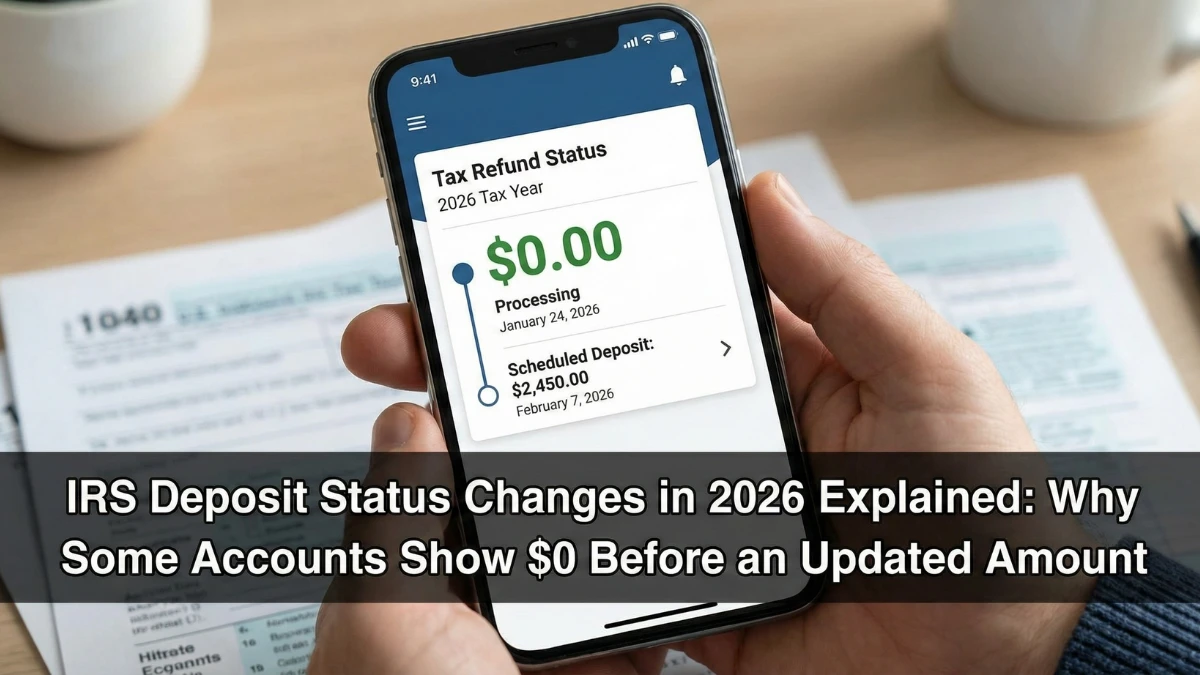
As Americans enter 2026, discussions about a potential $2,000 federal payment have captured widespread attention. Many households are facing rising costs for rent, groceries, and healthcare, making any additional support important. Unlike earlier one-time stimulus checks, this January 2026 payment is not a new program. Instead, it comes from a combination of existing federal benefits, tax adjustments, and cost-of-living updates. Understanding who qualifies, how the payment is delivered, and when it may arrive is crucial for planning personal finances.
What the $2,000 Payment Really Is
The $2,000 deposit is not a brand-new cash bonus. Rather, it represents the total of existing federal benefits, tax credits, and Social Security adjustments that may reach approximately $2,000 for eligible recipients. For most people, the payment is automatic, with no separate application required. Some confusion arises when multiple deposits appear at once, giving the impression of a single extraordinary payment. Experts emphasize that these funds are routine federal processes rather than special one-time relief.

Who Qualifies for the Payment
Eligibility is based on income, benefit type, and recent tax history. Social Security recipients, low-to-moderate income taxpayers, and certain veterans are most likely to receive amounts near $2,000. Adjusted Gross Income from the 2024 tax year is a key factor, with phase-outs for higher incomes. For example, single filers earning under $75,000, heads of household under $112,500, and married couples filing jointly under $150,000 may qualify for the full amount. Special provisions allow seniors, low-income non-filers, and certain veterans to receive payments even if they do not file taxes regularly.
How and When Payments Will Arrive

Direct deposit is the fastest way to receive the payment, using banking information already on file with federal agencies. Payments are expected to begin in early January and continue in waves throughout the month. Paper checks or prepaid debit cards are alternatives but typically take longer. Recipients are advised to verify that bank and mailing information is up to date, as outdated details are a common cause of delays.
The Impact of the Payment
For many families, a $2,000 deposit can cover essentials such as rent, groceries, and medical expenses, easing financial pressure and reducing the need for short-term borrowing. Seniors and those on fixed incomes may rely on these funds to maintain stability through the winter months. On a broader scale, these payments support local economies, as money spent quickly circulates in communities.

Staying Safe and Prepared
Recipients should remain cautious of scams asking for personal or banking information. Federal agencies never request fees or gift cards for processing payments. Always rely on official government websites like the IRS or Social Security portals. Reviewing recent tax returns, verifying bank information, and keeping records of official notices can prevent delays and confusion.
Disclaimer

This article is for informational purposes only. The $2,000 payment is not guaranteed for all Americans. Amounts, eligibility, and timing depend on individual circumstances and government policies, which may change. For official guidance, consult the IRS, Social Security Administration, or a qualified professional.