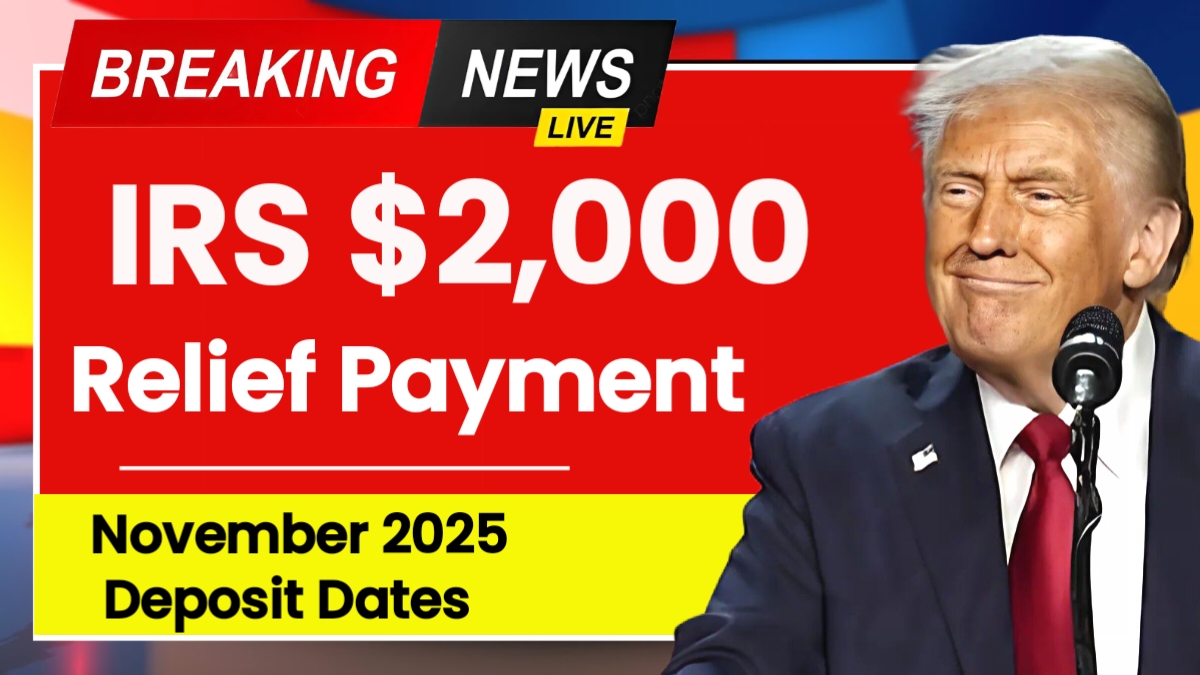
IRS $2,000 Relief Payment: The conversation around a possible IRS $2,000 relief payment in November 2025 has spread rapidly across the United States, creating confusion and curiosity among millions of people. Many families, seniors, and low-income households are searching for trustworthy updates because rising inflation continues to increase the cost of living. Rumors about a large federal payment appear frequently on social media, especially posts referring to a “tariff dividend.” However, government officials have repeatedly confirmed that no such payment has been approved, and there is no legislation supporting a new federal stimulus at this time. Despite this, the topic remains widely discussed as Americans look for clarity during economic uncertainty.
At the moment, the entire situation depends on Congress. Only lawmakers have the authority to create, approve, and fund any federal relief program. Until Congress passes an official bill, the IRS cannot schedule payments, set eligibility requirements, or issue deposit dates. The discussions seen online mainly reflect public interest and political commentary rather than confirmed federal action. Still, the subject has gained momentum because many taxpayers are eager for relief from increasing expenses, especially as new financial rules, digital payment systems, and tax policies continue to evolve.
Possible Eligibility Expectations if a Payment Is Approved
If Congress eventually approves a $2,000 relief program, the eligibility criteria will likely resemble the structure used during earlier federal stimulus payments. In previous programs, U.S. citizens and qualifying residents with a valid Social Security Number were included automatically. Eligibility was usually based on adjusted gross income, which determined who received the full amount and who received a reduced payment. These income thresholds helped the IRS identify households most affected by financial pressure, ensuring faster and fairer distribution.

Seniors and beneficiaries of Social Security, SSI, SSDI, VA programs, and Railroad Retirement benefits were also covered automatically during earlier relief efforts. This made payments simple and quick because their information was already stored in federal databases. If a similar program were approved again, these groups might benefit automatically as well. However, nothing is confirmed. Final eligibility would depend entirely on the specific rules outlined by Congress, which means citizens should not assume that previous requirements will automatically apply to future programs.
Expected Payment Timeline and Delivery Possibilities
Because the relief proposal has not received official approval, there is currently no confirmed timeline for any payment in 2025. If Congress does approve such a program, the IRS would likely follow a schedule similar to earlier stimulus rollouts. Direct deposits would be issued first because they are efficient, automated, and faster to verify. Millions of Americans received their previous payments within days through this method. Paper checks and prepaid debit cards usually arrived later due to printing and delivery timeframes. However, with the IRS gradually moving away from paper checks as part of its modernization plan, electronic deposits may play a much larger role in any future relief effort.
The IRS has recently expanded its digital verification systems and upgraded its online tools, which may help speed up processing if a new program is approved. Taxpayers who already have updated bank account details, accurate mailing addresses, and completed tax filings would experience fewer delays. Those with outdated information may encounter slower processing or be required to complete additional verification steps. The overall timeline would depend on how quickly Congress acts, how large the program is, and how long the IRS needs to prepare the distribution system.

How Americans Can Prepare for Faster Processing
Even though no payment has been authorized, citizens can still take useful steps to stay prepared in case a program is approved in the future. The first and most important step is ensuring that tax returns are filed on time because the IRS uses tax data to verify eligibility and deliver payments. Updating information through the IRS Online Account can also help, especially for those who have recently changed jobs, moved to a new address, or opened new bank accounts. Having accurate records allows the IRS to process future payments smoothly without delays or errors.
It is also important to remain aware of scams. The IRS never sends unsolicited messages through text, WhatsApp, email, or social media asking for personal details. Fraud attempts often increase when rumors about federal payments spread online, and many people have already reported receiving fake messages claiming early access to a “$2,000 November payment.” These scams are designed to steal financial information or identities. Citizens should rely only on official government websites and avoid responding to unknown links or messages that promise faster access to funds.
Other Financial Programs Available in 2025
While the $2,000 federal relief proposal remains unapproved, several confirmed financial support programs are already active in 2025. These include the Social Security cost-of-living adjustment, expanded state-level inflation relief plans, tax credits, and refundable benefits such as the Earned Income Tax Credit and the Child Tax Credit. These programs continue to support millions of households and offer real financial assistance that has already been approved through legislative processes. Citizens are encouraged to stay up to date with their eligibility for these existing programs, as they may offer significant relief while discussions about new stimulus proposals continue.
यह भी पढ़े:
 $2,000 Trump Relief Checks in 2026: Eligibility Rules, Payment Timeline, and Latest Official Updates
Many states are also continuing their own support systems for low- and middle-income families. These include rebates, special grants, rental assistance funds, and direct benefits aimed at helping households manage rising living costs. Keeping an eye on official state tax department updates can help individuals understand what assistance is available and how to apply for it. Even though the nationwide $2,000 deposit has not yet become a reality, several state and federal programs already provide meaningful financial help throughout the year.
Why Staying Informed Is Essential
In times of economic uncertainty, online rumors can easily overshadow verified information. Many social media posts have falsely claimed guaranteed payment dates or confirmed eligibility requirements. Relying on such content can lead to confusion, false expectations, and financial risks. Trusting official sources is the best way to remain informed about real federal decisions. Government agencies release accurate and updated information through official announcements only after legislation is passed and payment systems are ready.
By depending on credible sources, citizens can stay protected from misinformation and scams, while also preparing ahead of time should a genuine relief program be introduced. Until Congress approves a new plan, the proposed $2,000 relief payment remains only a possibility and not a confirmed federal program. Staying alert, updated, and aware of official announcements ensures that Americans receive accurate guidance during uncertain times.

Disclaimer
This article is for informational purposes only. As of now, no federal $2,000 IRS relief payment has been approved or scheduled. Readers should rely only on official government websites for verified updates regarding federal benefits or payments.