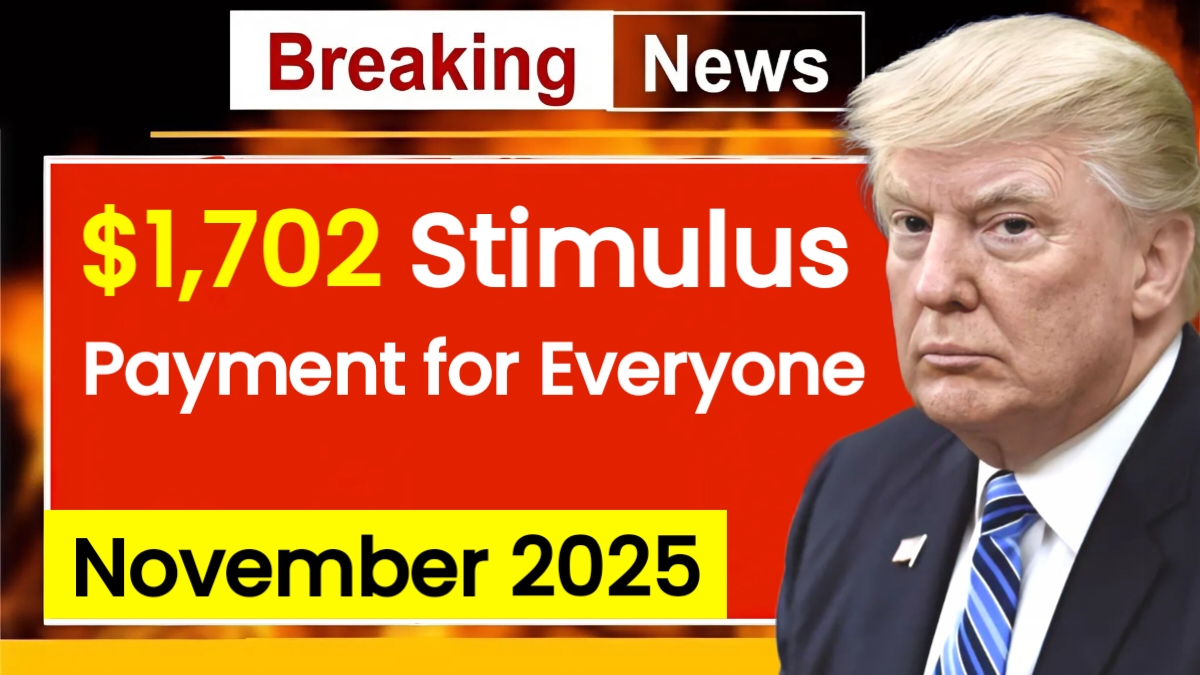
$1,702 November 2025 Stimulus for Seniors: The discussion surrounding a possible $1,702 stimulus for seniors in November 2025 has become one of the most talked-about financial topics in the United States. With the rising cost of living affecting everything from groceries and medicines to rent and transportation, older Americans are looking for clear information. Many seniors rely entirely on Social Security or disability payments, which do not always rise at the same pace as inflation. The idea of receiving an additional $1,702 payment has therefore created both hope and urgency as retirees struggle to keep up with everyday expenses.
The proposal is still awaiting final approval from the federal government, but early preparations inside agencies like the IRS and the Social Security Administration suggest that planning has begun. Internal teams are reportedly setting up eligibility filters, payment verification systems, and distribution schedules so that they can act immediately if lawmakers give the green signal. These indications have kept expectations high among seniors, especially those dealing with higher Medicare premiums, medical visits, and rising utility bills throughout 2025.
Understanding the Goal of the $1,702 Senior Stimulus
The primary purpose of the proposed $1,702 payment is to give seniors temporary relief from inflation and other financial pressures. Many retirees depend on fixed monthly income, leaving them vulnerable when prices increase sharply. Supporters of the stimulus argue that older Americans face unique financial challenges because they have limited options to increase their income. A one-time financial boost could help them maintain savings, clear small debts, or manage medical and home-care costs more comfortably during the final months of the year.

While the idea has gained strong public support, the proposal has not yet been signed into law. No final paperwork, approval order, or official notice has been issued by the U.S. government. This means that all timelines, payment amounts, and eligibility rules remain subject to change. However, internal readiness activities at the IRS and SSA show that if approval comes anytime in mid-2025, the payment can be processed in time for a November release.
Who May Qualify for the $1,702 Senior Stimulus
Preliminary eligibility drafts suggest that seniors aged 62 and above, or those who already receive Social Security Retirement, SSI, SSDI, VA benefits, or Railroad Retirement, would be first in line. These groups have historically been included automatically in past federal relief programs, which reduces the need for a separate application process. As long as their personal details, including Social Security numbers and birthdates, are correctly updated in federal systems, they could receive the payment without taking any additional action.
Income limits are also likely to follow earlier relief guidelines. Individuals earning under $75,000 and married couples earning under $150,000 would be expected to qualify for the full amount. Seniors listed as dependents on someone else’s tax return may not be eligible under current drafts. These details are not final but reflect the structure seen in previous relief efforts. The goal is to support retirees who have been hit the hardest by medical bills, higher insurance premiums, and rising household expenses.

Expected Payment Schedule for November 2025
If the proposal is approved, the government plans to distribute the stimulus in three phases during November 2025. The first phase would arrive between November 8 and November 14, covering seniors who already have direct deposit activated with the IRS or SSA. These individuals usually receive payments first because their bank information is already verified. This phase is expected to move quickly and could reach millions of seniors within a few days of launch.
The second phase is likely to be issued between November 15 and November 22. This period would focus on seniors whose records were recently updated, including changes in bank accounts, names, or mailing addresses. Because these details require additional verification, processing often takes longer compared to the first phase. The final phase is expected to begin around November 25 and could continue through mid-December. During this period, the government would mail paper checks or send prepaid debit cards to seniors who do not use direct deposit.
How Seniors Can Check Their Payment Status
Once the program is officially approved and activated, seniors will be able to track their payments through multiple platforms. The Social Security Administration’s “My Account” portal will show updates about any special deposits added during the month. Similarly, the IRS Online Account system will allow seniors to see deposit dates, payment amounts, and any pending identity verification steps. These platforms offer a quick way to confirm whether a payment is scheduled or delayed.
यह भी पढ़े:
 $2,000 Trump Relief Checks in 2026: Eligibility Rules, Payment Timeline, and Latest Official Updates
For seniors who prefer offline methods, banks will send text or email alerts when funds are credited. If a “Get My Payment” tool is introduced again, similar to the one used in previous stimulus rounds, it will provide national tracking and clear status indicators. This tool could help seniors confirm if a payment is processing, delayed, or awaiting documentation updates. These methods ensure that even non-tech-savvy seniors have reliable ways to monitor their stimulus.
Steps Seniors Should Take to Avoid Delays
To receive the payment as quickly as possible, seniors are encouraged to update their federal records before distribution begins. Simple issues such as outdated addresses, old bank accounts, or incorrect name spellings can significantly delay payment processing. Ensuring that all records match across the IRS and SSA systems is especially important for seniors who rely on direct deposit. Any mismatched information may trigger manual reviews that push the payment into a later phase.
Seniors who are required to file a 2024 tax return should do so early because the IRS uses the most recent tax information to confirm eligibility. Responding quickly to any identity-verification letters is also important, as unresolved identity checks can block or delay deposits. Keeping all personal details current gives seniors the best chance of receiving the $1,702 payment in the first or second phase should the program receive approval.

Frequently Asked Questions About the Senior Stimulus
A common question is whether all retirees will receive the $1,702 payment. Based on early drafts, only seniors who meet income, residency, and identity requirements will qualify. There will be no separate application process for eligible seniors. Payments will be issued automatically using IRS and SSA records. Another question concerns taxes. Historically, relief payments have not been considered taxable income, but the final ruling will only be confirmed after the program is formally approved.
Disclaimer
This article is for informational purposes only and is based on early federal drafts and agency preparations. The $1,702 senior stimulus is not officially approved as of now. Eligibility rules, payment amounts, and distribution dates may change once the U.S. government issues final guidelines. Seniors should rely on IRS.gov and SSA.gov for the most accurate updates.