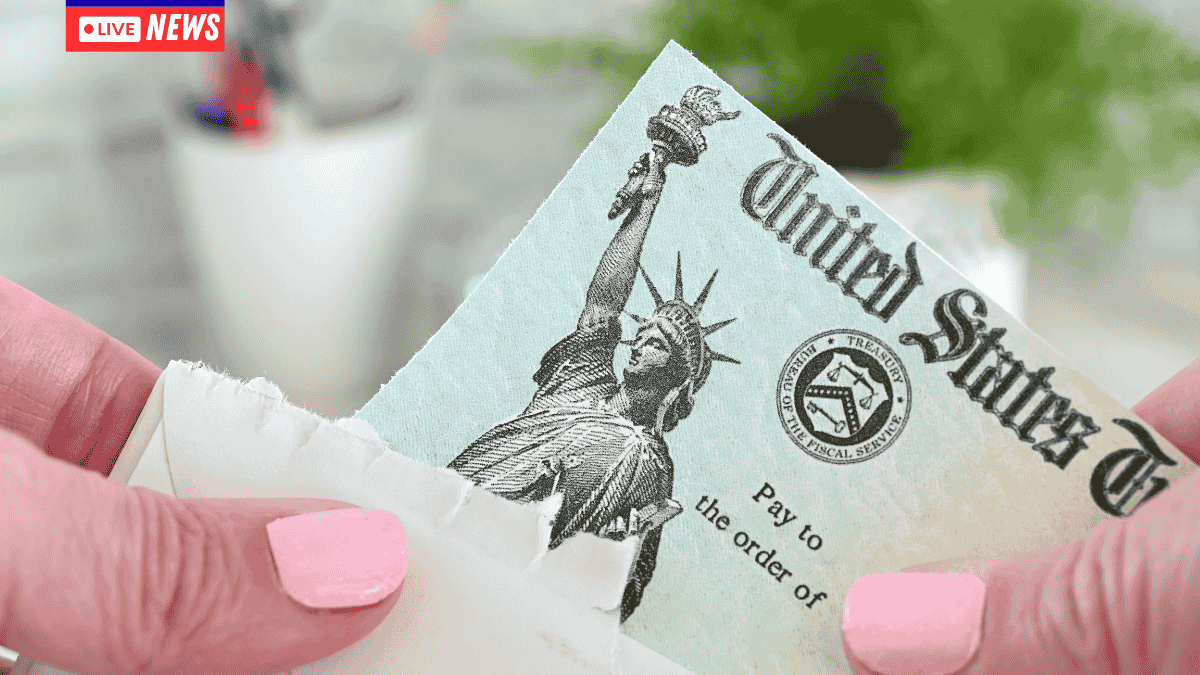
As 2026 begins, many American households are looking for financial relief to manage rising living costs. According to recent IRS updates, a one-time $2,000 direct deposit relief payment is expected to roll out in January 2026. This payment is aimed at low- and middle-income individuals and families who are struggling with expenses such as food, rent, heating, and utilities. The goal is to provide short-term support during a financially demanding time of year.
What the $2,000 IRS Relief Payment Means
The $2,000 payment is not a loan and not part of a regular tax refund. It is described as a one-time relief measure designed to help eligible taxpayers manage cost-of-living pressures. The IRS plans to use existing tax records to send the money automatically, which means most people will not need to apply. Payments are expected to be issued mainly through direct deposit, making the process faster and more efficient.
How Eligibility Is Determined
Eligibility is based mainly on information from 2024 or 2025 federal tax returns. Income level, filing status, and residency are the key factors the IRS reviews. Those who fall within set income limits are expected to qualify, while households with dependents may receive added consideration. Even people with changing income or partial-year work history may still be eligible if their overall income meets the criteria.

January 2026 Payment Timeline
The IRS is expected to release payments in stages throughout January 2026. Taxpayers with active direct deposit information on file are likely to receive their payment first, with deposits starting as early as mid-January. Those who do not have bank details updated with the IRS may receive a paper check by mail later in the month. Processing time may vary depending on individual tax situations.
How to Avoid Delays
To reduce the risk of delays, taxpayers should review their most recent tax return details. Ensuring that bank account information, mailing address, and filing status are correct can help payments arrive smoothly. Any updates should be made through official IRS tools as early as possible to match the January distribution window.
Final Thoughts
The proposed IRS $2,000 direct deposit payment for January 2026 could offer meaningful support for households facing higher everyday expenses. Staying informed, checking eligibility, and keeping personal tax information updated are the best ways to prepare. While the payment is intended to be automatic, being proactive can help avoid unnecessary stress.

Disclaimer
This article is for informational purposes only. Payment amounts, eligibility rules, and timelines are subject to change based on official IRS guidance. Readers should verify all details through the IRS website or consult a qualified tax professional before making financial decisions.