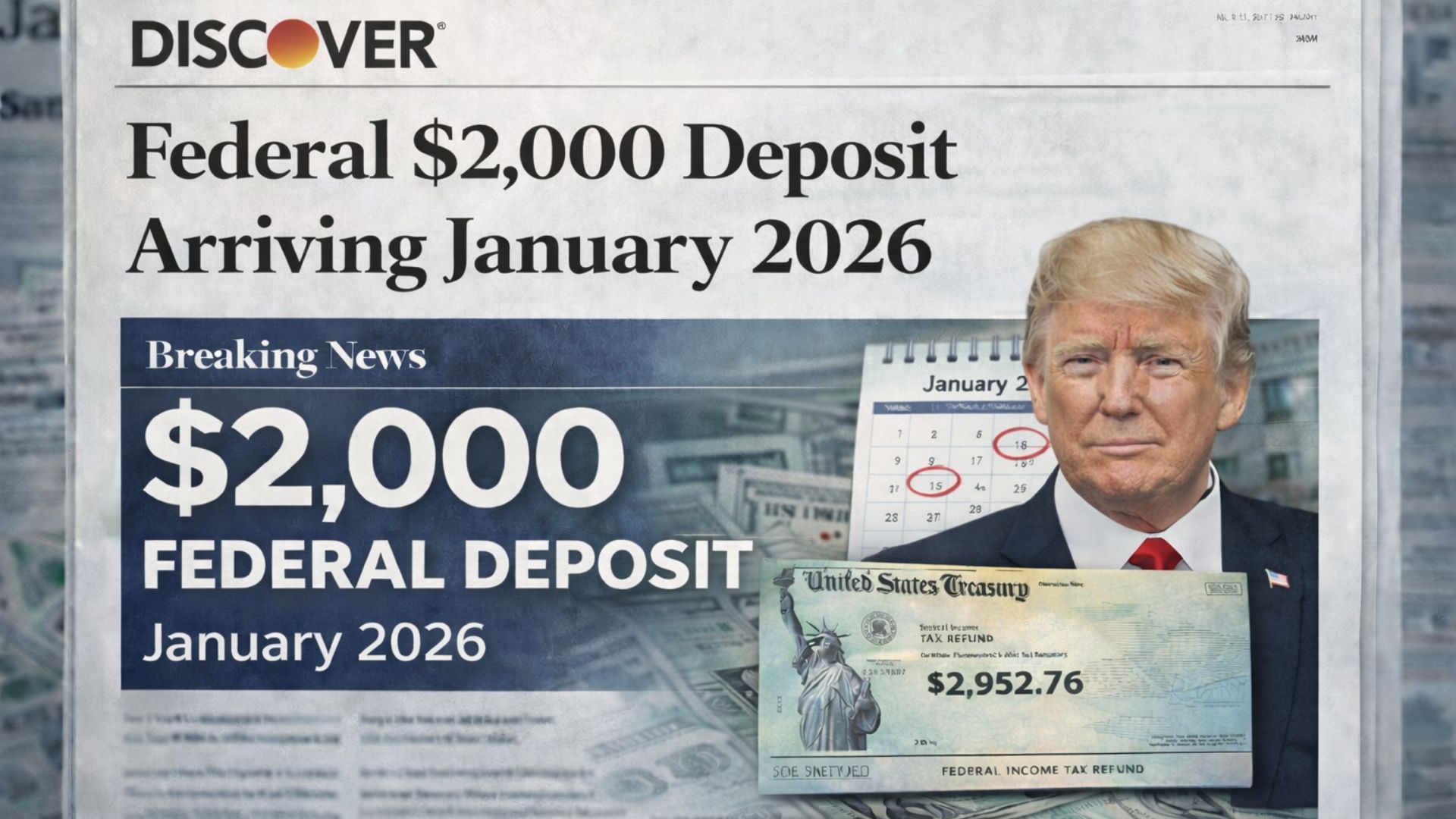
As January 2026 gets closer, talk of a possible federal $2,000 deposit has become very common across social media platforms, blogs, and online discussion groups. Many posts confidently claim that the payment is confirmed and will automatically reach bank accounts. Because such news can strongly influence household budgeting and financial decisions, it is important to separate verified facts from online speculation.
Where the $2,000 Payment Talk Is Coming From
The idea of a federal $2,000 deposit is largely rooted in memories of earlier stimulus checks issued during past economic crises. Those payments arrived quickly and directly, leaving a lasting impression on the public. Since then, whenever financial pressure rises or economic discussions appear in the news, similar expectations resurface. Over time, old relief programs and unfinished policy ideas are often reshared online as if they are current and approved.
No Official Confirmation for January 2026
As of now, there is no officially approved federal program that guarantees a nationwide $2,000 payment for January 2026. No announcement has been made by Congress, the U.S. Treasury, or the Internal Revenue Service confirming such a deposit. Large-scale federal payments always require legislation, funding approval, and public notice. None of these steps have occurred for a January 2026 payment, which makes current claims unreliable.

How Real Federal Payments Are Announced
When the government approves any form of financial relief, the details are shared clearly and publicly. Official announcements explain eligibility rules, payment amounts, and delivery schedules. These updates appear on government websites and through formal statements, not through viral screenshots or forwarded messages. If a payment were real, the information would be easy to verify through trusted sources.
Why These Rumors Spread So Easily
Financial stress plays a major role in the spread of payment rumors. Rising living costs make people more hopeful for relief, and hopeful news spreads quickly. In some cases, misinformation is shared simply to attract attention. In other cases, scammers take advantage of the confusion by sending fake messages that ask for personal or banking details. This can lead to serious financial loss.
Understanding How Federal Payments Work
Federal payments do not happen quietly or without warning. They are approved by Congress and signed into law before being distributed. Payments are usually sent in stages, starting with direct deposits and followed by mailed checks or prepaid cards. Eligibility is almost always based on income, tax filing status, or participation in specific benefit programs, not sent automatically to everyone.

Staying Safe and Informed
The IRS does not contact people through texts, emails, or social media to request sensitive information. Any message claiming you must “confirm” details to receive a payment should be treated as suspicious. The safest approach is to rely only on official government sources and keep personal records updated.
Final Word
At this time, the idea of a federal $2,000 deposit arriving in January 2026 is not supported by official confirmation. While future relief programs are always possible, no such payment has been approved. Staying patient, informed, and cautious is far better than trusting unverified claims.
Disclaimer:
This article is for informational and educational purposes only and does not provide financial, legal, or tax advice. Federal payment programs and policies may change based on government decisions. Readers should verify information through official U.S. government sources or consult qualified professionals before making financial decisions.