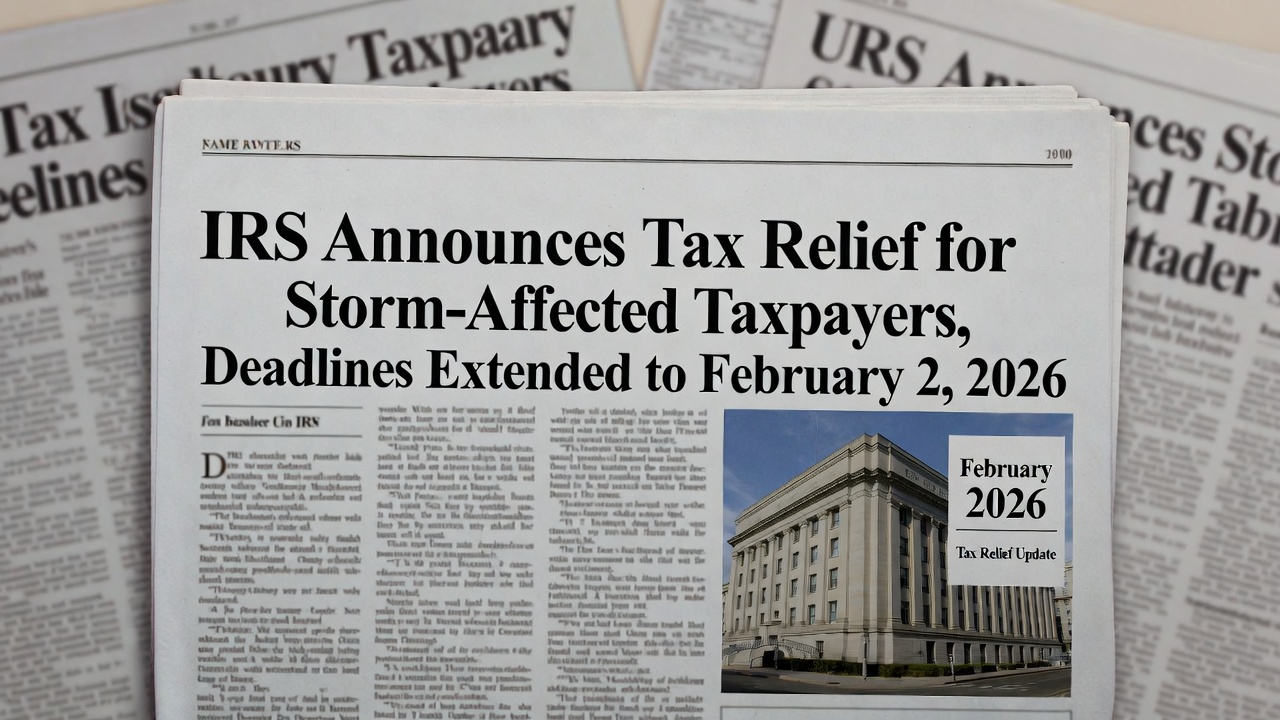
As February 2026 gets closer, many Americans are once again hearing claims about a possible $2,000 direct deposit from the federal government. Social media posts, short videos, and forwarded messages have spread these claims quickly. For people dealing with high rent, grocery costs, and medical bills, the idea of extra financial help naturally creates hope. At the same time, it has also created confusion and uncertainty.
Many people are now asking the same questions. Is this payment real, who would qualify, and do they need to do anything to receive it. To answer these questions clearly, it is important to separate confirmed information from online rumors.
Why the $2,000 Payment Rumor Keeps Returning
The idea of a $2,000 federal payment comes from earlier stimulus programs issued during major economic crises. Those payments helped millions of households during difficult times and became strongly associated with financial relief. Because inflation and living costs are still affecting daily life in early 2026, similar discussions keep resurfacing.

However, discussion does not mean approval. Policy ideas and public conversations happen often, especially when economic pressure remains high. Until a law is passed and officially announced, these ideas remain proposals rather than guaranteed payments.
Current Status of a February 2026 Payment
As of early 2026, there is no confirmed nationwide $2,000 direct deposit approved by Congress. No law has been signed, and no official payment schedule has been released by the Internal Revenue Service or the U.S. Treasury. Without congressional approval, federal agencies cannot send out new stimulus payments.
What exists instead are policy discussions and misunderstandings related to payments from existing programs. These include tax refunds and benefit payments that are already part of the federal system.

Why Some People May Still See Deposits Near $2,000
Even without a new stimulus program, some Americans may still see deposits close to $2,000 in February 2026. This often happens through regular tax refunds. Taxpayers who file their 2025 returns early and qualify for refundable tax credits may receive refunds that reach or exceed that amount.
These refunds are based on income, filing status, and the number of dependents. They are not bonus payments or special relief checks. They are simply money returned to taxpayers based on existing tax rules.
Social Security and Benefit Payments Can Add to Confusion
Some Social Security recipients may also notice higher deposits in February. This can happen because of cost-of-living adjustments or timing shifts that cause payments to arrive close together. When two benefit payments or adjustments hit an account within a short time, the total can look like a one-time $2,000 deposit.

In reality, these are routine benefit payments following established schedules. The timing can create confusion, especially when combined with online claims of new stimulus payments.
Who Would Qualify If a Payment Were Approved
If a new federal payment were eventually approved, it would not be automatic for everyone. Past programs show that income limits, tax filing status, and residency requirements usually apply. Lower- and middle-income households are often prioritized, while higher earners may receive reduced amounts or nothing at all.
Exact eligibility rules would only be known after an official announcement. Until then, no one can accurately claim who would qualify or how much they would receive.

Why No Action Is Required Right Now
Because no $2,000 payment has been approved, there is no application process to complete. Government agencies do not ask people to sign up, pay fees, or share bank details to receive stimulus payments. Any message asking for such information should be treated with caution.
The safest step is to keep tax filings accurate and up to date. Filing taxes correctly ensures that refunds and existing benefits are processed without delays.
Avoiding Misinformation and Scams
Whenever rumors about federal payments spread, scams usually follow. Fraudsters often send messages claiming to help people get money faster or confirm eligibility. Government agencies do not operate this way and do not request sensitive information through texts, emails, or social media.

Relying on official government websites and verified announcements is the best way to stay safe. Ignoring unverified claims helps prevent financial loss and identity theft.
What Americans Should Expect for February 2026
There is no confirmed universal $2,000 direct deposit scheduled for February 2026. Some people may still receive deposits near that amount, but those payments come from tax refunds or existing benefit programs. These payments vary by individual circumstances and are not part of a new stimulus plan.
Staying informed through official updates, filing taxes accurately, and avoiding rumors remain the best approach. Financial planning should be based on confirmed income, not speculative payments.

The continued talk of a $2,000 payment reflects ongoing financial stress faced by many households. While the desire for relief is understandable, only official announcements should be trusted. Until Congress approves a program and agencies confirm details, such payments remain uncertain.
Understanding how refunds and benefits work helps reduce confusion. Clear information is the best protection against disappointment and misinformation.
Disclaimer
This article is for informational purposes only and does not provide legal, tax, or financial advice. No universal $2,000 direct deposit has been officially approved or announced for February 2026. Federal payment programs, eligibility rules, and timelines may change. Readers should rely on official updates from the IRS, Social Security Administration, and U.S. Treasury, or consult a qualified professional for personal guidance.