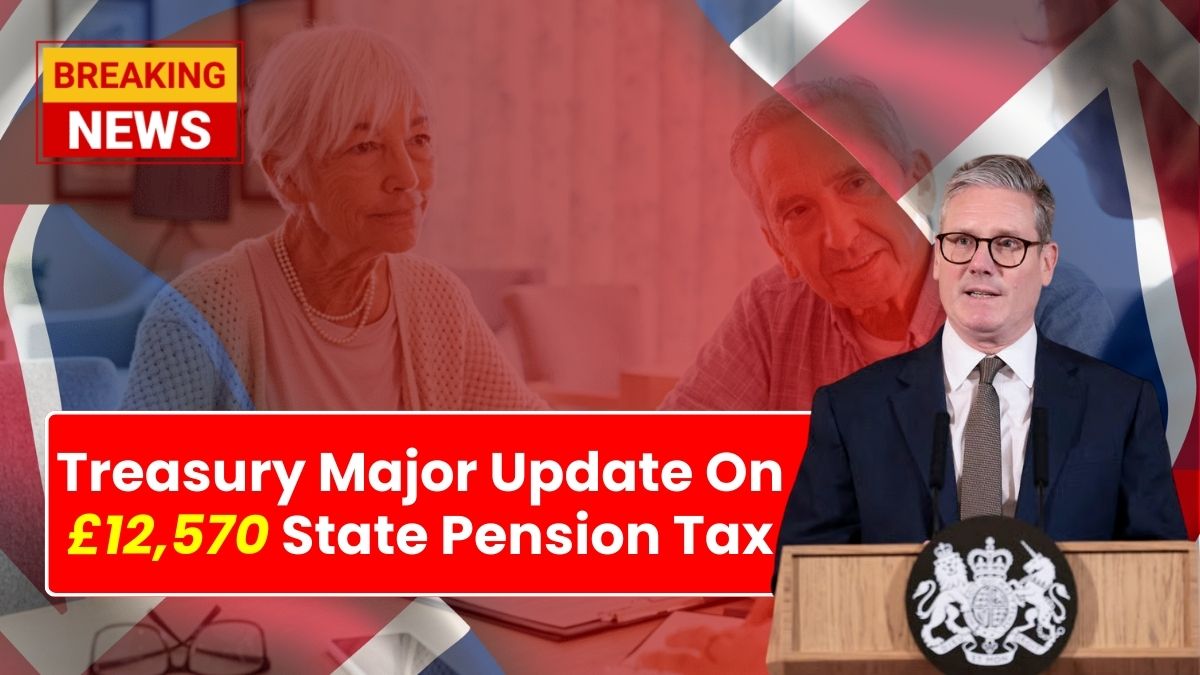
If you’re a pensioner or approaching retirement, you’ve probably heard the chatter about the £12,570 State Pension tax exemption plan. It’s been a hot topic for ages, with millions of retirees wondering why they’re suddenly paying income tax on money they thought would be completely tax-free. Well, the Treasury has finally weighed in with an official update, and whilst it might not be the news everyone was hoping for, at least we now know where things stand.
Let’s cut through the jargon and talk about what this actually means for you, why it matters, and what might happen next.
What’s All This About £12,570?
Right, so £12,570 is your personal allowance – basically, it’s the amount of money you can earn each year before the taxman comes knocking. Since April 2021, this figure has been frozen solid, not budging an inch despite everything else going up in price.
यह भी पढ़े:
 UK Government Confirms Free TV Licence for Over-60s – Here’s How to Claim Yours Under the New Rules
Here’s where it gets sticky: if your total income – and that includes your State Pension plus any private pension or other earnings – goes over this threshold, you’ll be paying income tax on everything above it. For years, campaigners have been arguing that the full State Pension should either be automatically exempt from tax, or that the personal allowance should at least keep pace with pension increases. Makes sense, right?
Why Has This Become Such a Big Deal?
The problem’s been brewing for a while, but it’s really come to a head because of the triple lock. You know, that policy where the State Pension goes up each year by whichever is highest: inflation, wage growth, or 2.5%. Whilst the triple lock is brilliant for protecting pensioners’ incomes, it’s also been quietly pushing the State Pension closer and closer to that £12,570 threshold.
The result? Loads of pensioners are now:
- Paying income tax for the very first time in retirement
- Getting surprise tax bills from HMRC that they weren’t expecting
- Having tax automatically deducted from their private pensions to cover the State Pension tax
It’s no wonder people are confused and frustrated. Many folks genuinely believed their State Pension would be completely tax-free, so discovering you owe money has come as a bit of a shock.
So What Did the Treasury Actually Say?
Alright, here’s the bottom line: the Treasury has officially confirmed that there are currently no plans to introduce a specific tax exemption for the State Pension at £12,570. Bit disappointing, I know.
However, they did acknowledge that people are concerned about this, and they’ve said the issue is “under ongoing review” as part of broader discussions about pension fairness. Essentially, they’re keeping an eye on it, but don’t hold your breath for immediate changes.
The Treasury’s also been clear that the State Pension is legally treated just like any other taxable income in the UK, and any changes would need to be carefully weighed up against what the country can actually afford.
Breaking It Down – What Does This Mean for You?
In plain English, the Treasury’s confirmed three main points:
- Your State Pension is still considered taxable income
- The personal allowance won’t automatically rise to match State Pension increases
- Despite all the campaigning, no exemption is coming anytime soon
Whilst this might not be what pensioners wanted to hear, at least it removes the uncertainty. You can stop wondering if some sudden exemption change is around the corner – for now, it’s not happening.
How Many People Are Actually Affected?
The numbers are quite staggering, really. Recent estimates suggest more than two million pensioners are now paying income tax – and that figure’s only going to climb as State Pension rates keep increasing.
The people getting hit hardest tend to be:
- Anyone with even a modest private pension alongside their State Pension
- People who retired recently on the new State Pension system
- Older workers still earning a bit whilst claiming their State Pension
For many, we’re not talking about massive tax bills here, but the psychological impact of being taxed in retirement when you thought you wouldn’t be? That’s what’s really got people riled up.
Why Haven’t They Just Raised the Personal Allowance?
Good question. The Treasury’s explanation is that freezing the personal allowance is part of their plan to stabilise public finances. Raising it in line with inflation or pension increases would cost the government billions every year – money they say they simply don’t have right now.
By keeping the allowance frozen, tax revenue gradually increases through what’s called “fiscal drag”. Basically, as your income goes up but the threshold doesn’t, more people end up paying tax. It’s not just affecting pensioners either – working-age taxpayers are feeling the pinch too.
What Are the Campaigners Saying?
Despite the official line from the Treasury, pressure groups and pensioner organisations aren’t giving up. They’re continuing to argue that:
- The State Pension isn’t some luxury income – it’s essential
- Taxing it undermines the whole point of retirement security
- Pensioners already paid their dues through decades of National Insurance contributions
Some proposals floating around include raising the personal allowance specifically for pensioners, or introducing a partial exemption just on State Pension income. Whether any of these ideas will gain traction remains to be seen.
Could Things Change Down the Line?
Here’s the thing – whilst the Treasury hasn’t announced any immediate changes, they haven’t completely ruled out future reforms either. Any shift would likely depend on:
- How the economy’s doing
- What the government’s spending priorities are
- Results from upcoming fiscal reviews and budgets
With political pressure mounting and an election never too far away, pension taxation is going to remain a hot-button issue. Politicians know that pensioners vote, so don’t be surprised if this topic keeps popping up.
How Does the Tax Actually Work?
It’s worth understanding how this tax is collected because it can be confusing. Unlike when you’re working and tax comes straight out of your wages, the State Pension is paid to you gross – no tax deducted.
Instead, HMRC typically collects what you owe by:
- Adjusting your tax code on any private pension you receive
- Sending you a tax bill or PAYE adjustment notice
This system catches a lot of people off guard, especially if you’re paying tax for the first time in retirement and weren’t expecting it.
What Should You Do Right Now?
If you’re receiving the State Pension, here’s what makes sense:
- Add up your total annual income from all sources
- Check your HMRC tax code to make sure it’s correct
- Keep all your letters and payment statements organised
- If something doesn’t look right, contact HMRC or chat with a financial adviser
Being proactive now can save you headaches later, especially if you’re being taxed incorrectly and don’t realise it.
The Bottom Line
The Treasury’s confirmation on the £12,570 State Pension tax exemption plan gives us clarity, even if it’s not the answer many pensioners were hoping for. No immediate exemption is coming, but the conversation isn’t over. Campaigners will keep pushing, politicians will keep debating, and with millions of households affected, this issue isn’t going away anytime soon.
For now, if you’re a pensioner, you’ll need to accept that your State Pension is taxable income and plan accordingly. Keep an eye on your tax code, understand what you might owe, and don’t be afraid to ask for help if you’re confused. And who knows? Future budgets might still bring some welcome changes.
Disclaimer
This article is provided for general informational purposes only and does not constitute financial, tax, or legal advice. Tax regulations and Treasury policies are subject to change, and individual circumstances vary considerably. The information presented reflects current understanding but may not represent the most recent developments or apply to your specific situation. If you have concerns about your tax obligations, State Pension entitlement, or personal allowance, we strongly recommend contacting HMRC directly or consulting with a qualified tax adviser or financial professional who can provide tailored guidance based on your individual circumstances.