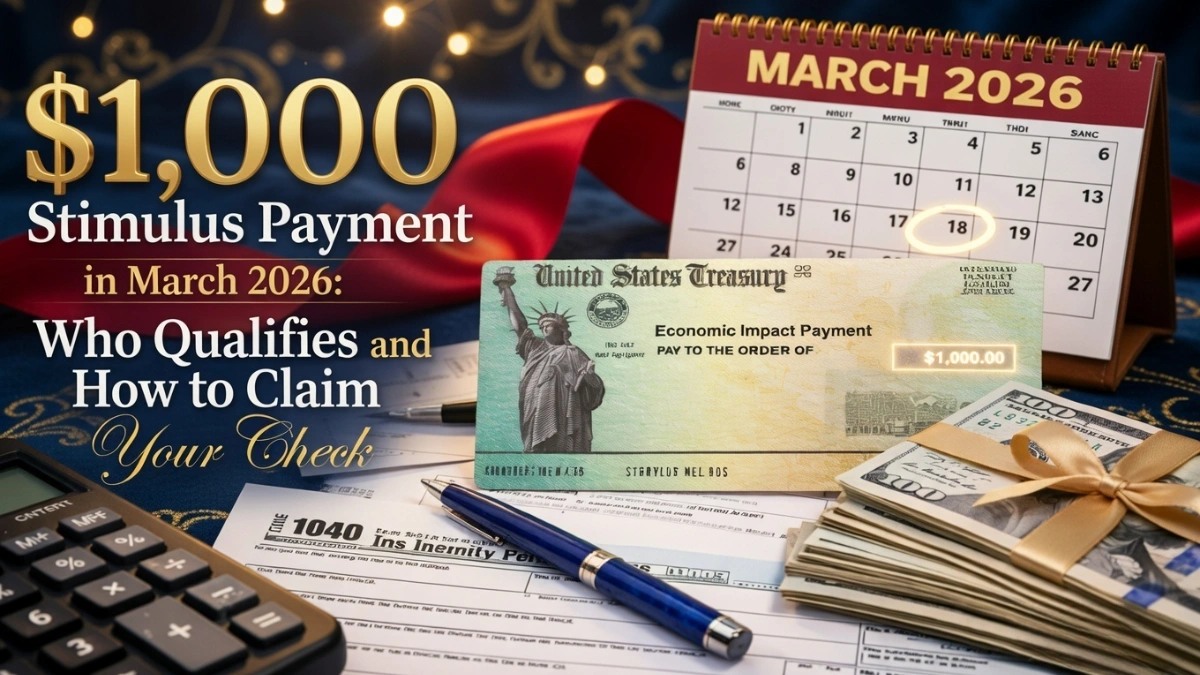
As speculation around a fourth stimulus check circulates, Americans are left wondering if there will be any financial relief on the horizon in 2026. Amid discussions of President Donald Trump's proposed $2,000 tariff dividend and the recent Supreme Court decision deeming his previous tariffs illegal, many are eager to know what the future holds regarding potential refunds or additional stimulus payments. Here’s an in-depth look at the situation.
Supreme Court's Decision on Tariffs
On March 20, 2026, the Supreme Court ruled by a 6-3 vote that President Trump's extensive tariffs exceeded his presidential powers under federal law. This ruling has created significant implications for both the administration and American taxpayers. The decision did not clarify how or when refunds for these tariffs would be distributed, leaving state leaders like California Governor Gavin Newsom and Illinois Governor JB Pritzker demanding action. They have called for substantial refunds for taxpayers, highlighting the impact of these tariffs on everyday expenses such as groceries and vehicles.
The Promise of a $2,000 Tariff Dividend
In response to ongoing discussions about tariff revenues, President Trump has pledged a $2,000 tariff dividend payment aimed at benefiting middle- and lower-income individuals. This promise hinges on distributing "hundreds of millions of dollars" collected through tariffs. However, with the Supreme Court ruling these tariffs illegal, the feasibility of this promise is now under question. Trump has vowed that these payments will be issued sometime before the midterm elections in 2026, yet there is no current congressional or IRS approval supporting this initiative.

Previous Stimulus Checks and Current Speculations
The COVID-era saw three rounds of stimulus checks distributed to eligible Americans, with the final claim deadline having passed in April 2025. Since then, rumors about a possible fourth stimulus check have emerged, fueled by social media chatter and unverified sources. As it stands, no official confirmation from Congress or the IRS supports these claims. It is crucial for citizens to remain vigilant against misinformation or potential fraud regarding any future financial assistance announcements.
Recent Developments Post-Supreme Court Ruling
Following the Supreme Court's decision on March 20, President Trump swiftly signed an executive order enforcing a global tariff under Section 122 of the Trade Act of 1974. This statute permits imposing tariffs up to 15% for 150 days without needing immediate congressional approval to address trade deficits. While this move seeks to establish control over international trade dynamics temporarily, it does not resolve questions surrounding refunding previously collected tariffs or issuing proposed dividends.
Navigating Future Financial Relief Measures
As discussions continue around potential financial relief measures, it is essential for individuals to stay informed and cautious regarding any updates or developments. The IRS remains a key player in managing past stimulus payments; individuals can review their IRS online accounts to verify previous transactions if necessary. However, until there is concrete legislative action supporting new payments or refunds tied to tariff revenues, any purported news should be treated with skepticism.
Disclaimer: This article is intended for informational purposes only and does not constitute legal or financial advice. Always consult with a qualified professional or official government sources for guidance concerning tax matters and federal financial assistance programs.