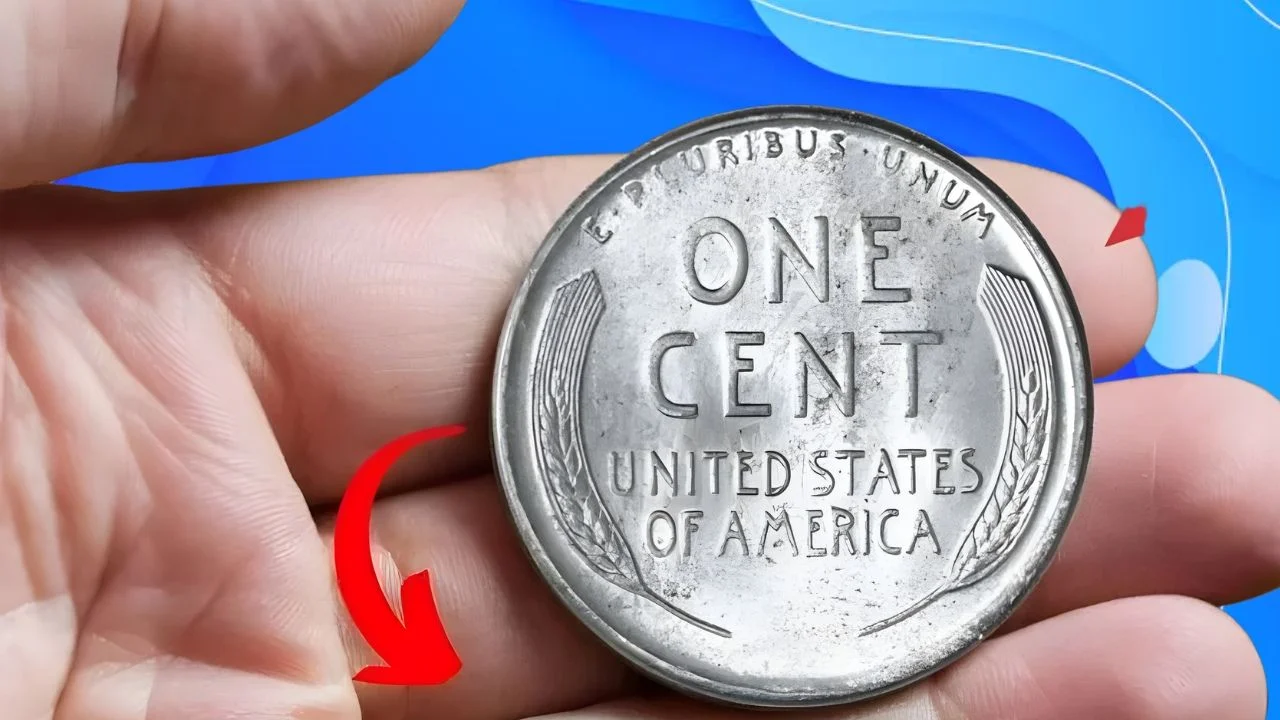
For coin collectors, the Lincoln Wheat Penny is one of the most famous and collectible coins in U.S. history. First introduced in 1909 to mark the 100th birth anniversary of President Abraham Lincoln, this one-cent coin remained in circulation until 1958. The front shows Lincoln’s portrait, while the back features two wheat stalks, which is how the coin got its popular name. Although many Wheat Pennies are worth only a few cents today, some rare dates and error coins can be worth thousands or even millions of dollars.

Why Lincoln Wheat Pennies Are So Popular
Wheat Pennies attract collectors because they represent more than 50 years of American coin history. They were the first U.S. coins to feature a real historical figure instead of symbolic designs. Over the years, different mint locations, metal compositions, and minting errors created variations that are now highly desirable. Collectors enjoy the thrill of finding valuable pieces among coins that once passed through everyday hands.
Key Factors That Affect the Value of a Wheat Penny
Several factors determine how much a Wheat Penny is worth. The year and mint mark play a big role, as some coins had very low production. The condition of the coin also matters greatly—coins with little or no wear are worth much more. Rarity caused by minting errors or unusual metal composition can push prices very high. Historical importance, especially first-year issues like 1909 coins, further increases collector interest and value.

Understanding Year and Mint Mark Importance
Wheat Pennies were minted in three main locations: Philadelphia, Denver, and San Francisco. Philadelphia coins usually have no mint mark, Denver coins carry a “D,” and San Francisco coins show an “S.” Some years and mints produced far fewer coins, making them much harder to find today. For example, a coin from a common year may be worth pennies, while another from a rare mint and year could be worth thousands.
Wheat Penny Values from 1909 to 1919
The earliest Wheat Pennies are among the most valuable. The 1909 VDB pennies, especially the 1909-S VDB, are highly prized because of their low mintage and historical importance. In excellent condition, these coins can sell for hundreds of thousands or even over a million dollars. Another famous coin from this era is the 1914-D Wheat Penny, which is very rare and can exceed $50,000 in uncirculated condition.
Wheat Pennies from the 1920s to 1930s
During the 1920s, most Wheat Pennies are fairly affordable, usually selling for $1 to $10 in circulated condition. However, the 1922 “No D” penny is a major exception. Due to a die error where the mint mark is missing, this coin is extremely rare and can sell for over $10,000 in high-grade condition. In the 1930s, many coins remain common, but the 1931-S penny stands out, often reaching $1,500 or more when uncirculated.

Wartime Wheat Pennies of the 1940s
The 1940s produced some of the most exciting Wheat Pennies for collectors. During World War II, the U.S. Mint made steel pennies in 1943 to save copper for wartime use. A small number of 1943 pennies were accidentally struck on bronze planchets, making them incredibly rare. These 1943 bronze pennies can sell for $1.5 million or more. Other valuable coins from this period include 1944 steel pennies and rare bronze varieties from different mints.
Final-Year Wheat Pennies from 1950 to 1958
Wheat Pennies from the 1950s are generally the least valuable, especially in circulated condition. Most are worth around 5 to 25 cents. However, proof coins and pieces with minting errors can still carry significant value. Even in these later years, collectors are encouraged to inspect coins carefully, as rare varieties do exist.
Practical Tips for Wheat Penny Collectors
Collectors should always check mint marks and dates closely. Handling coins properly is very important—touching only the edges helps avoid damage. Looking for errors such as doubled dies or unusual metal composition can turn a common penny into a rare find. For valuable coins, professional grading from trusted services like PCGS or NGC is highly recommended, as grading confirms authenticity and protects market value.

Final Thoughts on Collecting Wheat Pennies
Most Wheat Pennies found in old jars or pocket change may not be worth much, but a small number are true treasures. These coins offer collectors a unique mix of history, affordability, and the chance of high rewards. With careful inspection and a bit of knowledge, anyone can enjoy collecting Wheat Pennies and possibly uncover a valuable piece of American history hiding in plain sight.