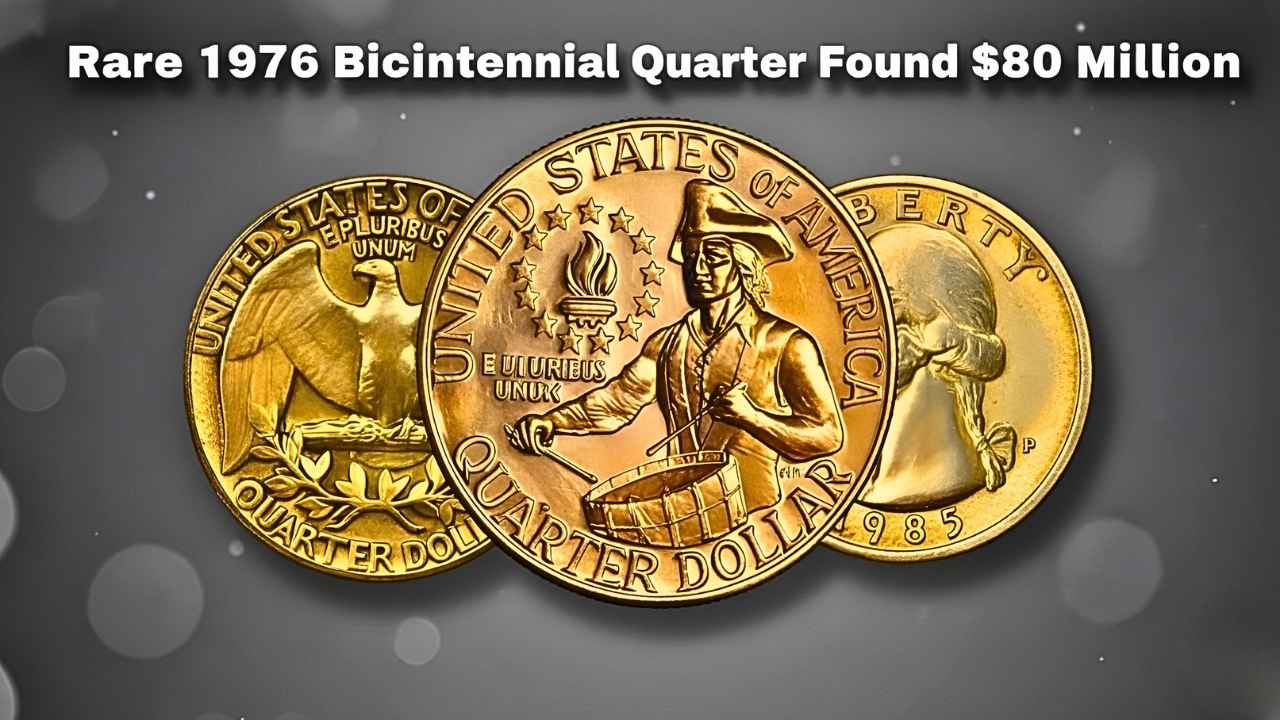
The 1976 Bicentennial Quarter is one of the most recognizable coins in U.S. history. Issued to celebrate 200 years of American independence, this special quarter features a unique reverse design showing a colonial drummer, a torch of victory, and thirteen stars representing the original colonies. Although millions of these quarters were produced and most are still worth only face value, a few rare examples have proven to be extremely valuable. Recently, news of a rare Bicentennial Quarter reportedly found in a coat pocket and valued at thousands of dollars has reignited public interest in checking everyday change more carefully.

Historical Importance of the Bicentennial Quarter
The Bicentennial Quarter was part of a nationwide celebration marking America’s 200th anniversary in 1976. Along with special half dollars and dollar coins, the quarter received a one-time reverse design while keeping the classic portrait of George Washington on the front. The drummer boy design symbolized the Revolutionary War era and the spirit of independence. These quarters were struck in both circulation quality and special collector versions, making them widely available while also creating room for rare and unusual finds.
Why Most Bicentennial Quarters Are Common
Because Bicentennial Quarters were produced in very large numbers, most people still encounter them in everyday transactions. The majority are copper-nickel coins that show signs of regular circulation, such as scratches, smooth edges, and faded details. These common examples are generally worth only face value. However, a small number stand out because of minting errors, unusual metal composition, or exceptional condition, which can dramatically increase their worth.

Rare Errors That Can Increase Value
Some 1976 Bicentennial Quarters are valuable because of minting errors that occurred during production. These errors include double die strikes where letters or numbers appear doubled, off-center strikes where part of the design is missing, and coins struck on the wrong metal planchet. Missing or misaligned mint marks can also raise a coin’s value. Because these mistakes are accidental and rare, collectors are often willing to pay high prices to own them.
How Minting Errors Happen
Minting errors occur when something goes wrong during the coin-making process. Coins are struck at high speeds, and even advanced quality checks cannot catch every mistake. Occasionally, a coin may be struck twice, stamped incorrectly, or placed on the wrong metal blank. When such coins leave the mint and enter circulation, they become valuable collectibles over time due to their uniqueness and rarity.
Identifying a Valuable Bicentennial Quarter
Identifying a valuable 1976 Bicentennial Quarter requires careful inspection. Sharp details, strong shine, and lack of wear indicate an uncirculated coin. Unusual weight, color, or surface texture may suggest a different metal composition. Visible doubling on letters or numbers, off-center designs, or missing mint marks are also important signs. Many collectors use magnifying glasses or digital scales to detect these features more accurately.

Importance of Coin Condition
Condition plays a major role in determining a coin’s value. A well-preserved quarter with no signs of heavy use can be worth far more than a worn one. Coins that remained protected—such as those stored in pockets, drawers, or rolls—can sometimes retain near-mint condition. If the Bicentennial Quarter found in the coat pocket was shielded from circulation damage, its condition alone could significantly boost its value.
Role of Professional Coin Grading
Professional coin grading services help confirm a coin’s authenticity and condition. These services examine the coin closely and assign a grade that collectors trust. A high-grade Bicentennial Quarter with a verified error can sell for much more than an ungraded coin. Grading also reassures buyers that the coin has not been altered or damaged, which increases confidence in the market price.
Why Collectors Love Bicentennial Coins
Bicentennial coins appeal strongly to collectors because of their patriotic theme and distinctive design. They represent a historic moment and reflect American craftsmanship. The chance of finding a valuable coin in everyday places—like old jars, bank rolls, or even coat pockets—adds excitement to collecting. These discoveries remind people that history and hidden value can still exist in ordinary objects.

Final Thoughts
The story of a rare 1976 Bicentennial Quarter found in a coat pocket shows that valuable coins can still surface in unexpected ways. While most Bicentennial Quarters are common, rare errors, exceptional condition, and professional grading can turn simple change into a prized collectible worth thousands. For collectors and casual observers alike, this serves as a reminder to pay attention to spare change, because sometimes a small coin can carry extraordinary value and history.
Disclaimer: This article is for general informational and educational purposes only. Coin values, rarity, and market prices can change over time based on demand, condition, and authentication. Not all 1976 Bicentennial Quarters are valuable, and claims of high value depend on specific errors, condition, and professional grading. Readers should consult certified coin dealers or professional grading services before making buying, selling, or investment decisions. The information provided should not be considered financial or investment advice.