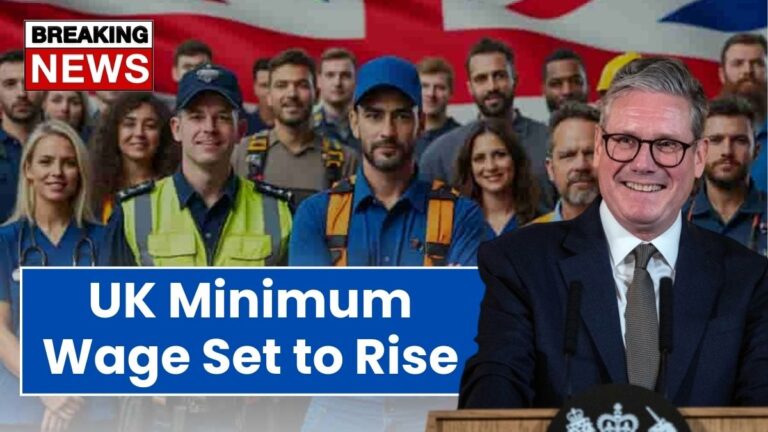
UK Minimum Wage Set to Rise – The government has confirmed a significant increase in the National Minimum Wage and National Living Wage, starting 5th January 2026. This isn’t just a routine update; it’s a substantial boost aimed at supporting low-income households as the cost of living continues to rise. For many, this news comes as a welcome relief, helping to ease the financial pressures that often peak after the holiday season.
Why the 2026 Increase Matters
This pay rise isn’t simply about keeping pace with inflation. It’s a deliberate move to bring wages more in line with today’s economic reality. The Low Pay Commission analysed employment trends, business conditions, and cost-of-living pressures before recommending these new figures. One of the key goals this year has been to reduce the gap between the youngest workers and those on the standard adult rate, recognising the financial challenges faced by younger adults living independently.
Who the New Rates Affect
The new rates apply to all types of workers – full-time, part-time, casual, and even those in the gig economy. Employers are legally required to implement the updated pay from 5th January. Missing this deadline could result in fines and public naming by HMRC. For employees, it’s worth checking your January payslip to make sure the new rate has been applied correctly.

The 2026 Pay Rates
The government has set out clear tiers to reflect different age groups and training levels. The biggest change is the push to bring pay for 18-20-year-olds closer to the adult rate:
- National Living Wage (21 and over): £12.75 per hour
- 18-20 Year Old Rate: £10.90 per hour
- 16-17 Year Old Rate: £8.25 per hour
- Apprentice Rate: £8.25 per hour
- Accommodation Offset: £10.60 per day
These rates are designed to make life slightly easier for workers at all stages of their career.
Impact on Retail and Hospitality
Retail and hospitality are likely to feel the biggest pinch. These industries rely heavily on entry-level staff and often run on tight margins. While higher pay improves staff morale and retention, business owners worry about covering these costs alongside rising energy bills and other expenses.

Some businesses may explore automation, like self-service kiosks, or enhance customer experience to justify price changes. On the flip side, better-paid staff usually spend more, which could help boost sales and support local economies in the long run.
Why 5th January is Important
Traditionally, minimum wage updates happen in April to coincide with the new tax year. Moving the date to January is a strategic decision. It provides immediate support during the winter months, when heating bills are at their highest, and gives workers a morale boost as they start the new year. HR teams and payroll departments need to be extra careful to update systems over the busy festive period so employees see the benefits straight away.
Supporting Businesses While Helping Workers
Small and medium-sized enterprises (SMEs) are the backbone of the UK economy, and their ability to adapt is crucial. To help, the government is considering tweaks like National Insurance relief or sector-specific tax breaks. The aim is to avoid job cuts or reduced hours while still supporting wage growth.

There are several benefits for businesses too. Higher pay encourages better training, reduces staff turnover, improves employee wellbeing, and can even stimulate local spending. A fairer wage structure isn’t just good for workers; it can improve productivity and loyalty across the board.
How to Make Sure You’re Being Paid Correctly
If you’re 21 or over, you’re legally entitled to the National Living Wage. This applies to all workers, regardless of job title or company size. Interns, trial workers, or casual staff are generally still covered if they’re performing work.
If your pay hasn’t increased by 5th January, start with a chat with your manager or HR team. Often, it’s just an administrative error. If that doesn’t resolve the issue, you can get free advice from Acas or lodge a complaint with HMRC, which can investigate and enforce payment.

The Bigger Picture for the Economy
There’s ongoing debate about the long-term effects of minimum wage increases. Some worry about “wage-price spirals,” where higher pay leads businesses to raise prices, causing inflation. Others point out that previous increases have not led to major job losses; instead, businesses adapt by becoming more efficient and focusing on value-added services.
The 2026 increase will be closely watched. If successful, it could show that the UK economy can support low-paid workers while remaining competitive, narrowing the gap between the National Living Wage and the Real Living Wage recommended by the Living Wage Foundation.
Final Thoughts
The January 2026 pay rise is a major step for the UK workforce. It presents challenges, especially for service-heavy sectors, but the social and economic benefits are clear. By providing a stronger financial foundation for millions, the government is aiming to create a motivated and stable workforce, ultimately supporting growth across the country. This change is more than just numbers on a payslip – it’s a boost to worker security, wellbeing, and the broader economy.

Disclaimer
This article is for informational purposes only and reflects the UK government’s announced minimum wage changes as of January 2026. While every effort has been made to ensure accuracy, individual circumstances may vary. Always check official sources, such as HMRC or Acas, for up-to-date guidance on minimum wage rights, employment laws, and compliance requirements. The publisher is not responsible for any actions taken based on this information.