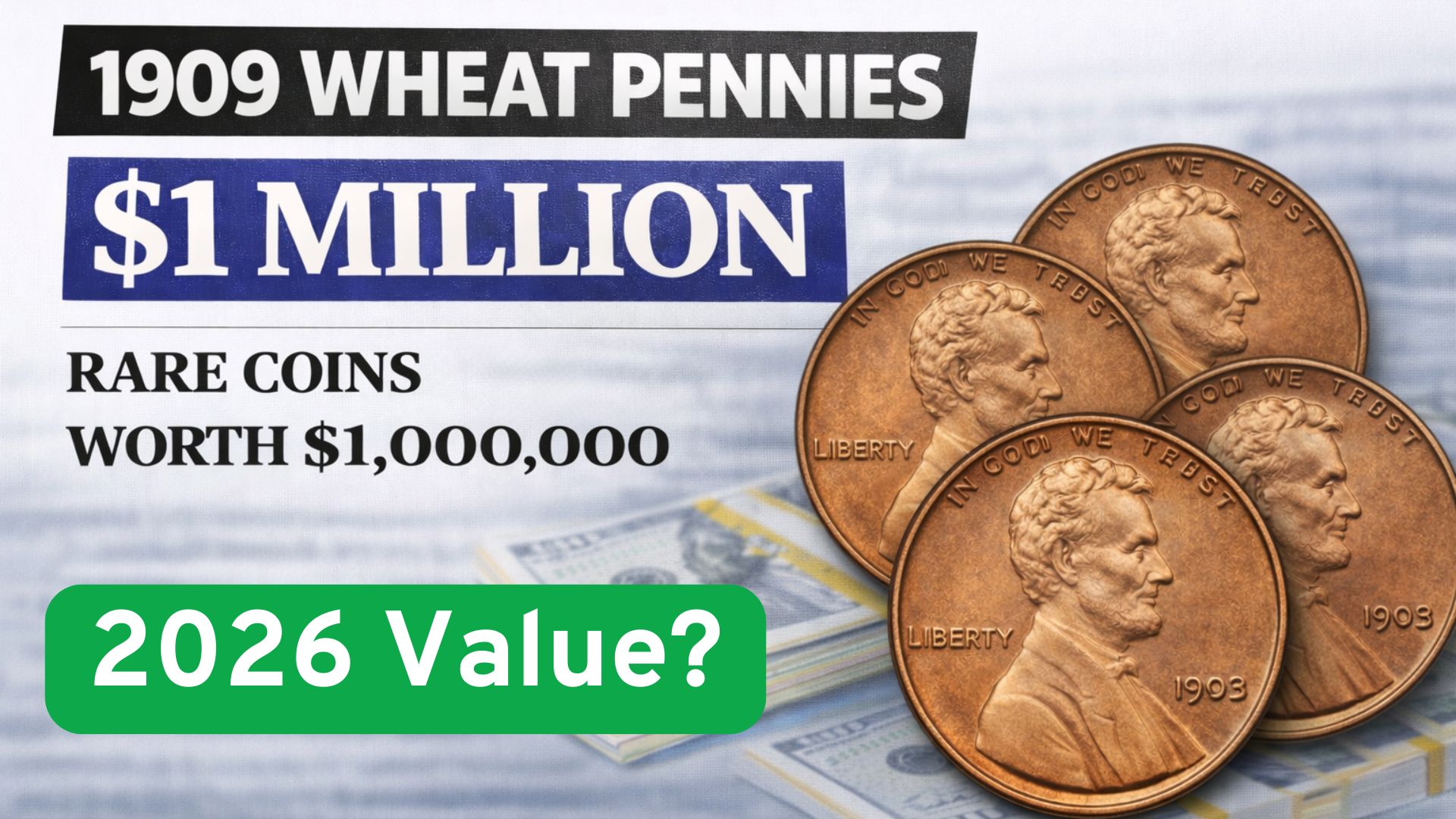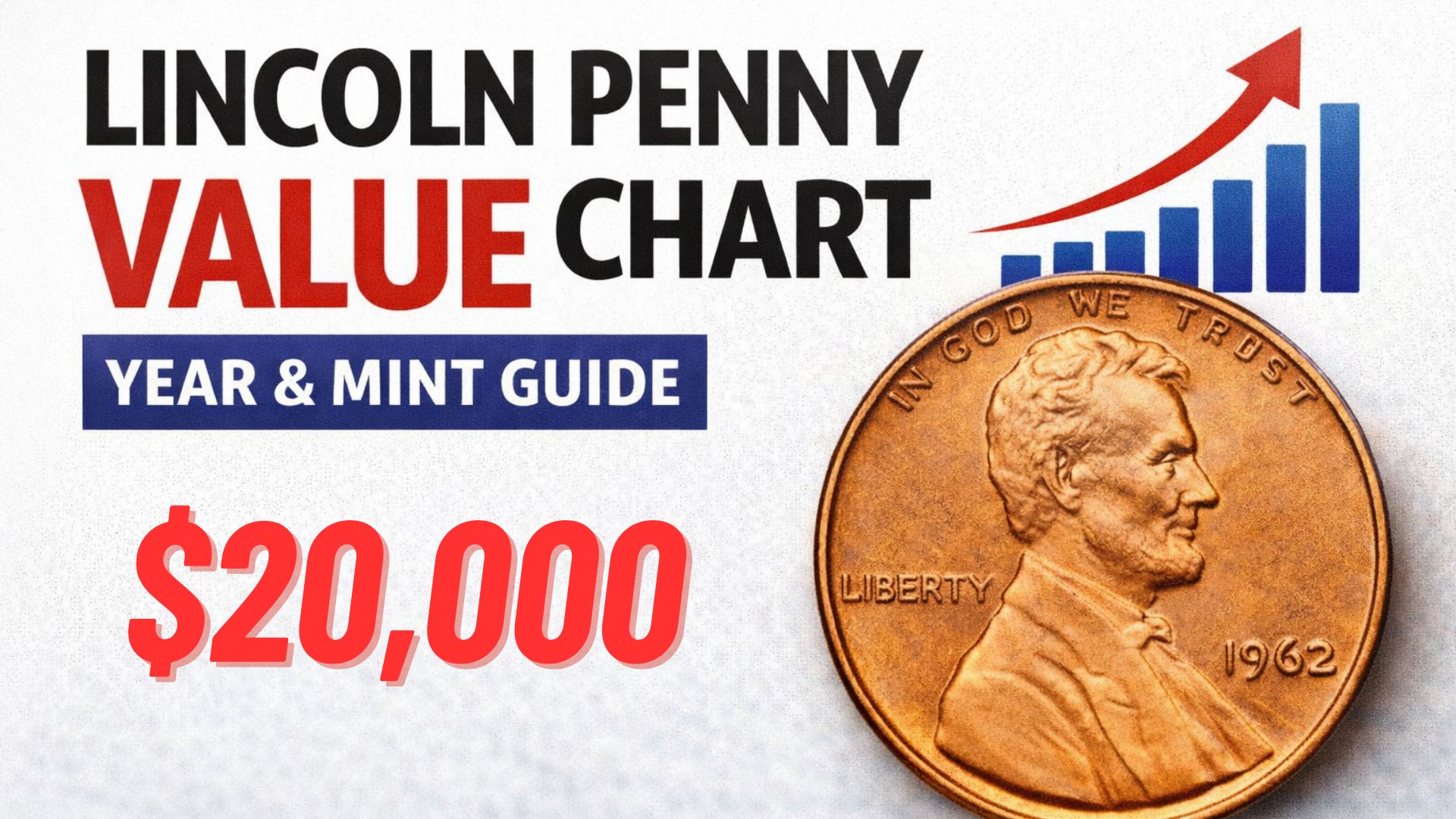
The Lincoln penny is one of the most familiar and widely collected coins in the United States, yet its value goes far beyond one cent. Introduced in 1909, this coin reflects American history, economic change, and the evolution of minting practices over more than a century. For collectors, understanding how Lincoln penny values vary by year and mint mark is essential to spotting rare coins and building a meaningful collection.
Origins of the Lincoln Penny Series
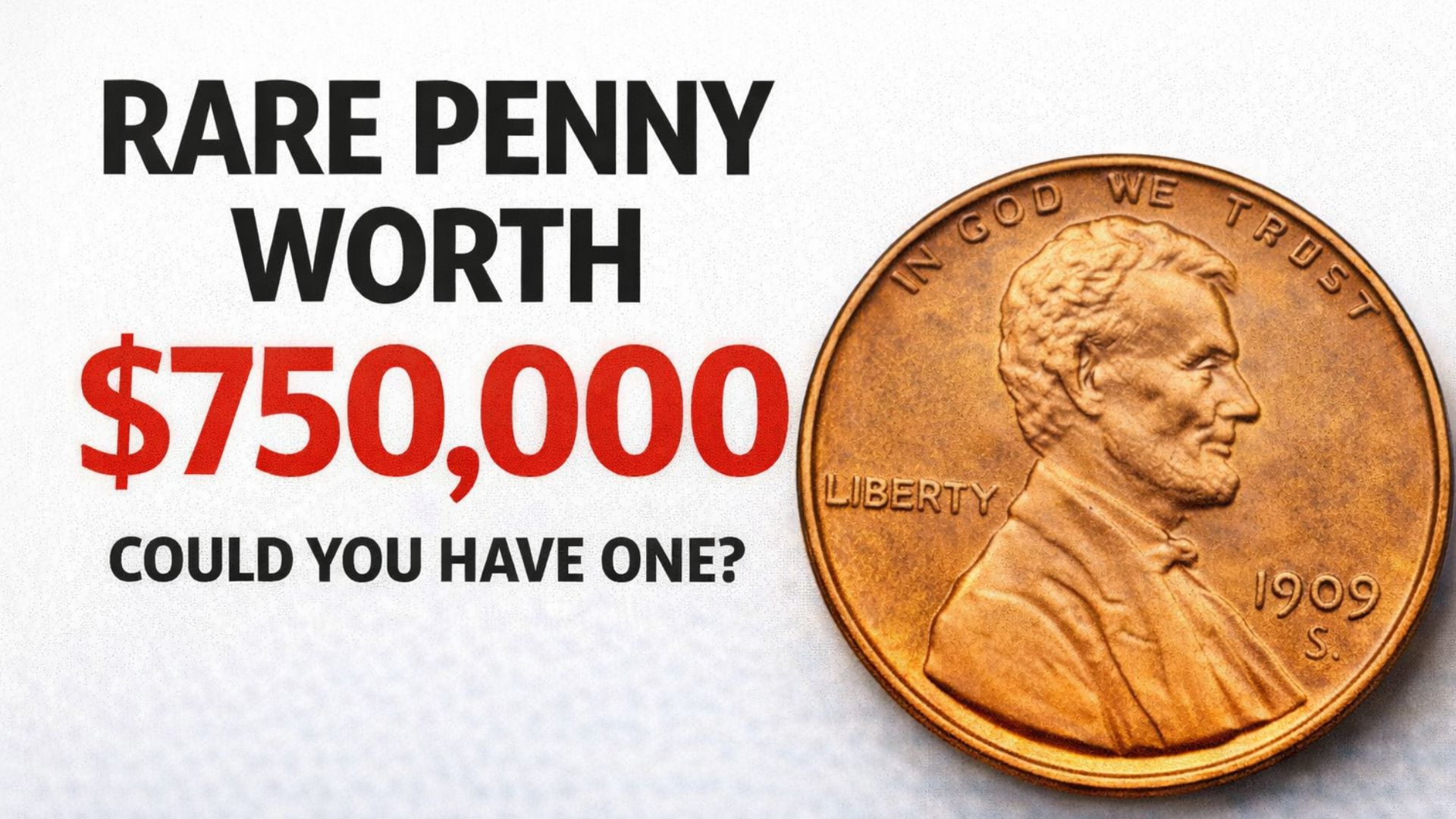
The Lincoln penny replaced the Indian Head cent in 1909 and became the first U.S. circulating coin to feature a real historical figure. Designed by Victor David Brenner, the coin initially displayed the designer’s initials on the reverse. Public criticism led to their quick removal, making the 1909-S VDB penny one of the most famous and valuable key dates in American coin collecting.
How Metal Composition Affects Value
Metal content plays a major role in determining Lincoln penny value. From 1909 to 1942, pennies were made mostly of copper. In 1943, copper shortages during World War II forced the U.S. Mint to produce zinc-coated steel cents, creating a visually distinct and historically important coin. Copper returned after the war and remained until 1982, when rising costs led to copper-plated zinc pennies. This change marks a clear dividing line for collectors, as earlier copper coins often carry higher value.
Key Dates and Famous Varieties
Certain Lincoln pennies are especially valuable because of low mintage or unusual production. The 1909-S VDB and 1914-D are among the most sought-after regular issues. Error coins such as the 1922 No D penny and the 1955 doubled die penny are also highly prized. The 1955 doubled die, with its bold and visible doubling, remains one of the most recognizable U.S. error coins.
Condition and Market Demand
The condition of a Lincoln penny greatly influences its value. Coins in mint state are worth far more than heavily circulated examples. Professional grading helps confirm authenticity and condition, which is especially important for high-value coins. Collector demand also shifts over time, causing values to rise or fall depending on interest and availability.
Modern Pennies and Error Hunting
Most Lincoln pennies made after 1982 are worth face value due to high production and zinc composition. However, modern errors such as doubled dies, off-center strikes, and wrong planchet coins can still be valuable. Many collectors today focus on finding these unusual modern varieties rather than completing full date sets.
Preserving and Collecting Lincoln Pennies
Proper storage is critical to maintaining value. Pennies should be kept in protective holders and never cleaned, as cleaning can permanently reduce worth. Collectors may choose to build complete sets, focus on key dates, or specialize in errors, depending on their interests and budget.
Why Lincoln Pennies Remain Popular
The Lincoln penny series offers a rich mix of history, rarity, and discovery. From early copper coins to famous wartime issues and dramatic errors, it provides opportunities for both beginners and advanced collectors. Understanding values by year and mint mark allows collectors to better appreciate and protect these iconic coins.
Disclaimer:
This article is for informational purposes only. Coin values depend on condition, rarity, authentication, and market demand, which can change over time. Readers should consult reputable coin dealers or professional grading services before buying or selling collectible coins.