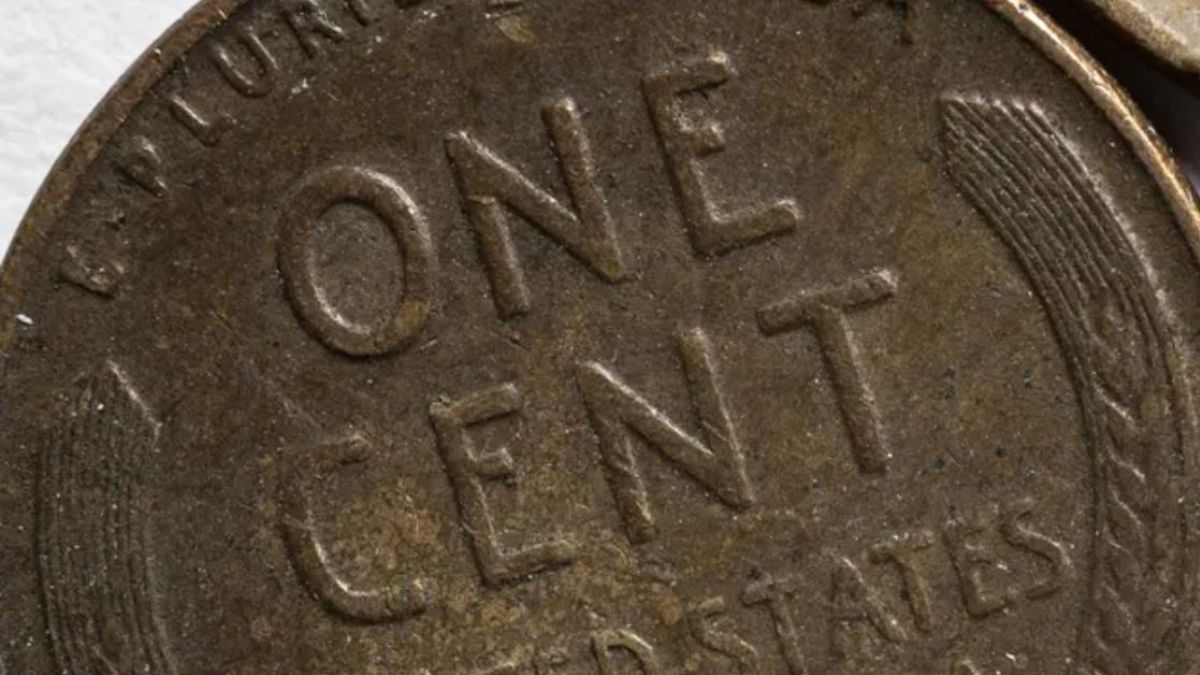
The Lincoln Wheat Penny is one of the most famous and widely collected coins in American history. First introduced in 1909, this small copper coin was created to honor President Abraham Lincoln on the 100th anniversary of his birth. Over the years, millions of these pennies were minted and used in daily transactions, making them a familiar part of American life.
What makes the Lincoln Wheat Penny especially interesting today is the growing belief that one extremely rare version could be worth as much as $2.2 billion. While this figure represents a theoretical and symbolic valuation rather than a confirmed sale, it highlights just how important and mysterious this coin has become among collectors.
Why the Lincoln Wheat Penny Is So Special
The Lincoln Wheat Penny stands out because it was the first U.S. coin to feature a real historical figure. Before 1909, American coins usually displayed symbolic images rather than actual people. The reverse side of the coin shows two wheat stalks, which represent prosperity and national growth.

Most Lincoln Wheat Pennies are worth only a few cents to a few dollars. However, a tiny number of rare versions, produced due to minting errors or limited runs, have become priceless to collectors. These rare examples are what fuel stories of billion-dollar valuations.
The $2.2 Billion Valuation Explained
The idea of a Lincoln Wheat Penny being valued at $2.2 billion does not come from a public auction sale. Instead, it reflects the estimated worth of a one-of-a-kind coin that combines extreme rarity, historical importance, perfect condition, and collector demand.
Coin experts believe that if a unique Lincoln Wheat Penny were discovered with never-before-seen features, such as a special metal composition, a major minting error, or official proof of limited production, its value could reach an unimaginable level. In the world of rare collectibles, uniqueness often matters more than age.

Rare Versions That Changed Coin History
Several Lincoln Wheat Pennies are already known to be extremely valuable. One of the most famous is the 1943 copper Wheat Penny. During World War II, pennies were supposed to be made of steel to save copper for the war effort. However, a few copper blanks were accidentally used, creating one of the rarest coins in U.S. history.
Another valuable example is the 1909-S VDB Wheat Penny. It was produced in limited numbers and features the designer’s initials, which were later removed. These coins have sold for hundreds of thousands of dollars, proving that Lincoln Wheat Pennies can reach extraordinary prices.
How a Coin Can Still Be in Circulation
Many people wonder how such a valuable coin could still be in circulation. The answer is simple. Pennies are often overlooked and rarely checked closely. Over decades, rare coins can pass from one hand to another without anyone realizing their true value.

Old collections are sometimes spent by mistake, inherited without proper inspection, or mixed into everyday change. Because the Lincoln Wheat Penny was produced in huge numbers, most people assume it is ordinary, which increases the chance that a rare version could still exist unnoticed.
What to Look for in a Valuable Wheat Penny
If you want to check your own coins, there are several key details to watch for. First, look at the year and mint mark. Coins from 1909, 1914, 1922, and 1943 are especially important. A missing or unusual mint mark can greatly increase value.
Second, examine the material. A 1943 penny should be steel, not copper. If it sticks weakly or not at all to a magnet, it could be extremely rare. Finally, condition matters. Coins with clear details, minimal wear, and original surfaces are always worth more.

The Role of Coin Collectors and Experts
Professional coin graders and collectors play a major role in determining value. Organizations like PCGS and NGC authenticate coins and assign grades based on condition. A high-grade coin with verified authenticity can multiply in value instantly.
Collectors are also driven by competition. When multiple wealthy collectors want the same rare item, prices can rise beyond normal expectations. This competitive demand is one reason why some rare coins reach astonishing valuations.
Why Stories Like This Capture Public Attention
The idea that a simple penny could be worth billions captures the imagination. It represents the dream that hidden treasure might be sitting unnoticed in a pocket, drawer, or old jar of coins. These stories encourage people to look more closely at everyday objects.

They also highlight the importance of history. Coins are more than money; they are physical pieces of the past. Each Lincoln Wheat Penny tells a story about the time in which it was made, from economic conditions to national priorities.
Could You Be Holding a Fortune
While the chances are very small, it is not impossible that a rare Lincoln Wheat Penny is still out there. People continue to discover valuable coins in old collections, estate sales, and even loose change. Careful inspection and patience are key.
If you believe you have found something unusual, it is important not to clean the coin, as this can reduce its value. Instead, store it safely and seek advice from a reputable coin dealer or grading service.

Final Thoughts
The Lincoln Wheat Penny valued at $2.2 billion represents the ultimate symbol of rarity and historical importance in coin collecting. Whether or not such a coin is ever officially confirmed, the story reminds us that incredible value can exist in the most ordinary places.
For collectors and everyday people alike, the Lincoln Wheat Penny continues to inspire curiosity, hope, and respect for history. Even after more than a century, this small copper coin still has the power to surprise the world.
Disclaimer: The prices mentioned for rare coins, including the Lincoln Wheat Penny, are not guaranteed and may not be entirely accurate due to market fluctuations and varying appraisals.