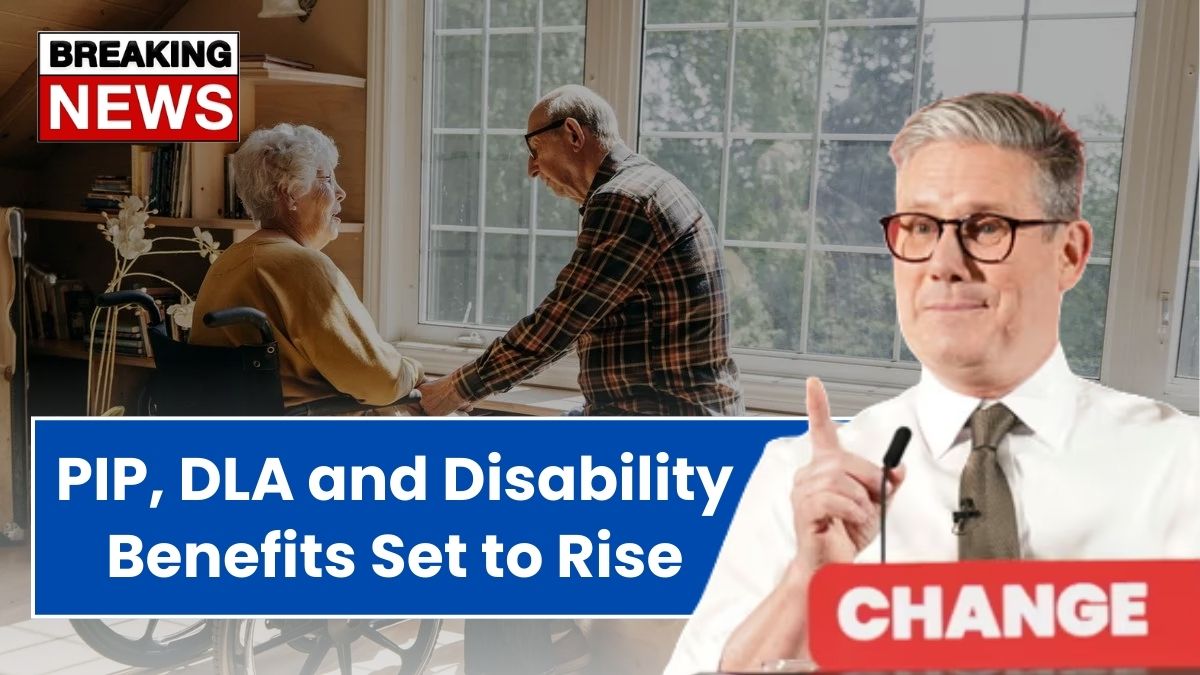
PIP DLA and Disability Benefits – The UK Government has officially confirmed that several disability and health-related benefits will increase from April 2026. This announcement affects millions of people across the country who rely on regular support to manage everyday living costs. Benefits such as Personal Independence Payment, Disability Living Allowance, Attendance Allowance, Carer’s Allowance, and disability-related elements within Universal Credit are all included in this update. While the increases may not look dramatic at first glance, for many households they will offer some much-needed breathing space during a time of ongoing financial pressure.
What the 2026 Benefit Increase Really Means
From April 2026, disability and health-related benefits will rise in line with the Department for Work and Pensions’ annual uprating system. This process is designed to help benefits keep pace with inflation and the rising cost of essentials such as food, energy, transport, and care services. The increases will apply to both working-age claimants and people who are unable to work because of long-term illness or disability. In most cases, the higher payments will be added automatically, so claimants will not need to reapply or complete new paperwork.
Why the Government Is Increasing Benefits
Every year, the Government reviews benefit rates using inflation data from the previous September. This system, known as annual uprating, is intended to prevent benefits from losing value over time. For disabled people and those with long-term health conditions, this is particularly important. Many face extra costs that others do not, including higher heating bills, specialist equipment, transport needs, and paid care. The 2026 increase reflects recognition that these costs remain high and that financial support must rise alongside them to remain meaningful.

Personal Independence Payment (PIP) Changes in 2026
Personal Independence Payment remains one of the most important benefits for disabled adults aged 16 to State Pension age. It is not means-tested, which means people can receive it whether or not they are working. PIP is made up of two parts: the Daily Living component and the Mobility component, each paid at either a standard or enhanced rate depending on individual needs. From April 2026, both components will increase. Those on enhanced rates will see a larger uplift, reflecting higher levels of support required, while standard-rate claimants will also notice a helpful weekly rise.
Disability Living Allowance (DLA) Updates
Although DLA has largely been replaced by PIP for adults, it is still paid to children under 16 and to some older claimants who have not moved across. DLA includes both care and mobility components, with different rates depending on the level of support needed. All eligible DLA rates will increase in April 2026. For families caring for disabled children, this rise can help cover everyday costs such as specialist equipment, transport to appointments, and additional care needs that often place strain on household budgets.
Attendance Allowance Increase for Older People
Attendance Allowance supports people over State Pension age who need help because of illness or disability. It is paid at two rates depending on whether someone needs help during the day, at night, or both. From April 2026, both rates will rise. Because Attendance Allowance is not means-tested, savings and income do not affect eligibility. The increase provides extra weekly support for older people who rely on help with personal care, supervision, or managing daily tasks at home.

Carer’s Allowance and Universal Credit Adjustments
Carer’s Allowance will also increase from April 2026. This benefit is paid to people who provide at least 35 hours of care each week to someone with a disability or long-term illness. While many carers feel the payment still falls short of reflecting the work they do, the increase offers some additional financial support. At the same time, disability-related elements within Universal Credit will rise, including payments for people with Limited Capability for Work or Limited Capability for Work and Work-Related Activity, as well as carer and housing elements.
When You Will See the Higher Payments
The new benefit rates will apply from April 2026, but the exact date you see the increase will depend on your payment schedule. Most claimants will receive the higher amount in their first full payment after April. There will be no back payments for earlier periods. In most cases, you do not need to take any action, as the uprating is applied automatically. You should only contact the Department for Work and Pensions if your circumstances change or if your payment does not update as expected.
What Claimants Should Keep in Mind
Although the 2026 increases may feel modest, even small weekly uplifts can add up over a year. For many households, the extra money can help with essentials such as heating, travel costs, medical supplies, or care support. Staying informed, checking your award letters, and reviewing your payments once the new rates begin can help ensure you are receiving everything you are entitled to. For those already struggling, the increase may not solve every problem, but it does offer some reassurance and stability.

Final Thoughts
The confirmed 2026 benefit increase is welcome news for disabled people, carers, and those living with long-term health conditions across the UK. While it may not fully match the rising cost of living, it does provide ongoing protection and recognition of the extra costs many people face. As April 2026 approaches, keeping an eye on official updates and checking your payments can help ensure you receive the full benefit of the changes.
Disclaimer
This article is intended for general information purposes only and should not be taken as official or legal advice. Benefit rates, eligibility criteria, and payment schedules can change, and individual circumstances may vary. While every effort has been made to ensure accuracy, readers should always check the latest guidance on official UK Government websites or contact the Department for Work and Pensions directly for personalised advice and up-to-date information.
