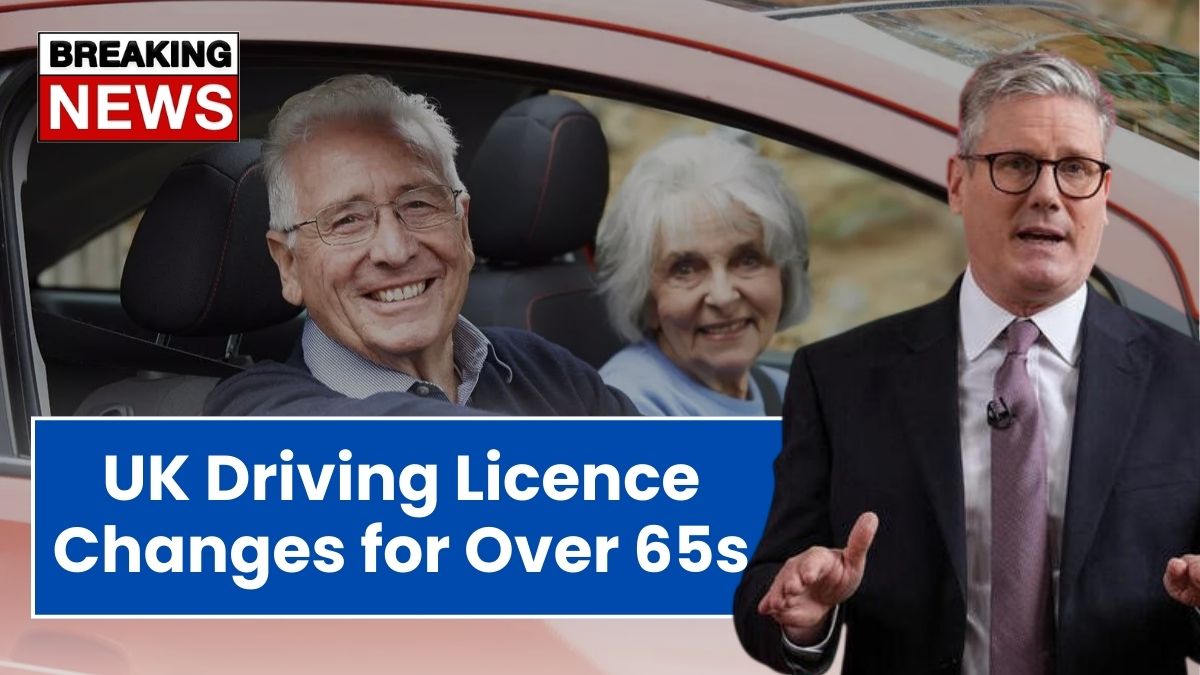
UK Driving Licence Changes for Over 65s – If you’re approaching your mid-sixties or have family members in that age group, it’s time to start paying attention. The UK is gearing up for some big changes in driving rules, and 2026 could be a game-changer, especially for older drivers. With the government rolling out a new Road Safety Strategy and the Driver and Vehicle Standards Agency (DVSA) refining its policies, the focus is on making roads safer, vehicles cleaner, and regulations easier to follow.
Older drivers are naturally in the spotlight. While staying behind the wheel gives independence and mobility, authorities are also looking closely at health, eyesight, and licence renewals. Currently, anyone over 70 needs to renew their driving licence every three years and self-declare that they’re medically fit. But with more older people driving than ever, relying solely on personal honesty may not be enough. That’s why new checks could be coming in from 2026.
One of the most talked-about changes is the possibility of mandatory eyesight tests. These tests would ensure drivers meet the visual standards necessary to drive safely, rather than relying just on self-reporting. While nothing is set in stone yet, it’s clear that safety is the top priority. Older drivers should start preparing for a system that may involve more formal assessments during licence renewal.

Changes Across Driving and Transport from 2026
Alongside licence rules, a whole host of driving-related updates are coming next year. Fuel duty, frozen since 2011, will continue its freeze until September 2026. After that, the small cut of 5p per litre will end, and fuel duty will rise annually with inflation. For older drivers who rely on their cars for shopping, appointments, or leisure trips, this could mean slightly higher fuel costs by late 2026.
Company car users will also notice changes. Benefit in Kind tax, which affects those using work vehicles, is set to rise in the 2026–2027 financial year. Electric vehicles will see an increase from 3 percent to 4 percent. Cars with higher emissions will attract higher tax rates, which aligns with the government’s push for cleaner transport.
For those considering electric vehicles, there’s some good news. From April 2026, the Expensive Car Supplement threshold for EVs rises from £40,000 to £50,000. This change keeps many electric vehicles out of the luxury tax bracket, making them a more attractive option for quieter, low-maintenance driving.

On the Motability scheme front, luxury cars and certain vehicle styles are being removed. Vehicles requiring advance payments will now attract VAT, and insurance tax rules are changing from July 2026. These updates could affect older drivers who rely on the scheme for daily mobility, so planning ahead is essential.
Congestion charges are also going up. From 2026, the daily charge in major cities will rise to £18 if paid on time, or £21 if paid late. Full exemptions for electric vehicles end in December 2025, although discounted rates will still apply for those registered with Auto Pay.
Environmental regulations are tightening too. From November 2026, all new cars and vans will need to meet Euro 7 emission standards, aiming to reduce harmful emissions and improve air quality. While this doesn’t directly affect licence rules for older drivers, it may influence decisions when buying a new car.

Learner Drivers and Test Updates
Spring 2026 brings some positive changes for learner drivers, including older individuals returning to driving. Learners will gain more control over test bookings, with restrictions on third-party companies and instructors making bookings on behalf of pupils. This move should cut waiting times and improve privacy.
Driving theory tests are also getting updated, with new questions on first aid, CPR, and automated external defibrillators. The goal is to give drivers life-saving knowledge without adding difficulty or cost.
Looking further ahead, electric vehicles and plug-in hybrids will face a per-mile charge starting in April 2028. Electric cars will pay 3p per mile, while plug-in hybrids pay 1.5p, usually checked during the annual MOT.

Road Safety and Technology
The Road Safety Strategy under discussion may bring more significant changes for older drivers, including mandatory eye tests, a lower drink driving limit, and stricter seatbelt penalties. Although still under review, these measures show the government’s commitment to accountability and safer roads for all.
Excitingly, self-driving cars could be on UK roads by 2026 thanks to the Automated Vehicles Act. While full approval will require strict safety standards, this technology could provide new mobility solutions for older drivers who may find traditional driving more challenging in the future.
What This Means for Older Drivers
Overall, drivers over 65 should take note of potential licence renewals that could include more formal checks, particularly eyesight tests. Planning for fuel cost increases, changes to company car taxes, and updates to electric vehicle incentives will also be important. Staying informed will ensure older drivers maintain independence while adapting to evolving rules and safer road practices.
Disclaimer
This article is intended for informational purposes only and does not constitute legal or professional advice. Rules and regulations mentioned are based on current government proposals and announcements and may change before coming into effect. Readers should consult official government sources, the DVSA, or legal professionals for guidance on specific circumstances. This content does not guarantee any particular outcome or eligibility regarding driving licence rules or related policies.