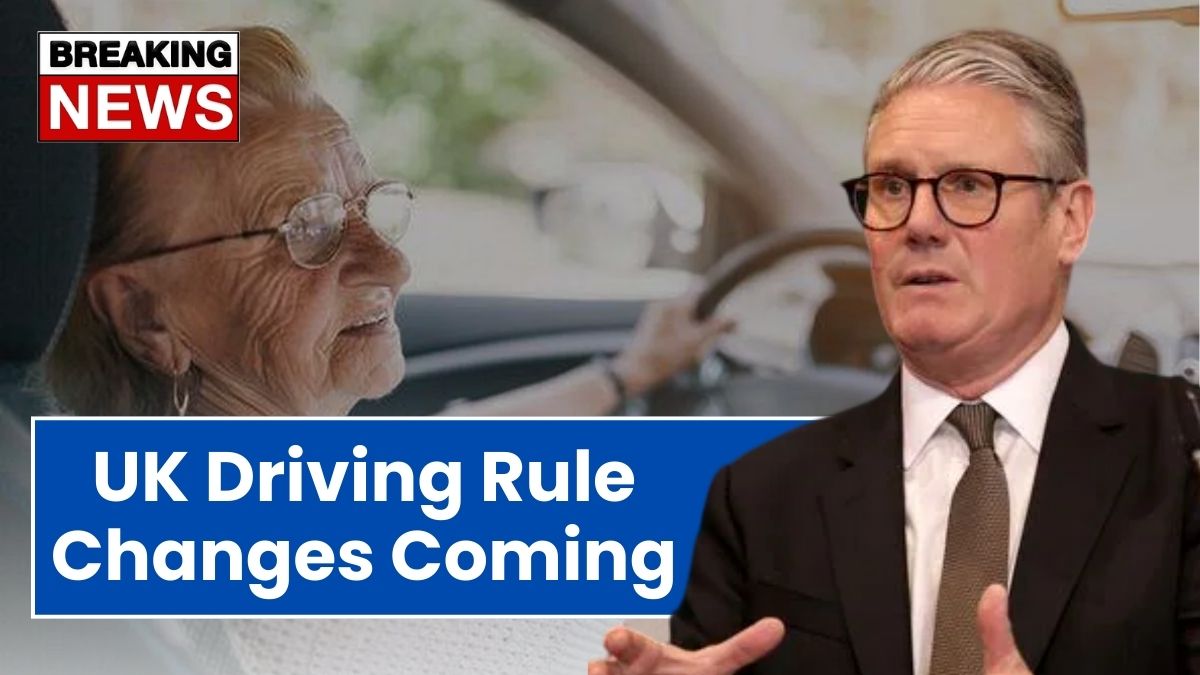
UK Driving Rule Changes Coming in 2026 – The UK government is preparing to roll out some of the most significant driving law updates in recent years, and from 2025 these changes will directly affect drivers aged 62 and above. While much of the public focus has traditionally been on drivers over 70, the new approach brings health and eyesight checks into play much earlier. The aim is not to take people off the road unnecessarily, but to make sure everyone driving is fit, safe and confident behind the wheel.
For many drivers in their early sixties, this marks a clear shift in responsibility. Until now, most motorists only faced detailed medical declarations and more frequent licence renewals once they reached 70. From September 2025, that safety net moves forward by several years, signalling a new chapter in how the UK manages road safety for an ageing population.
Why 2025 Is A Turning Point For Older Drivers
As people live longer and remain active later in life, the number of drivers in their sixties and seventies has steadily increased. While experience often makes older drivers cautious and sensible, age-related health changes can still affect driving ability. Issues such as reduced eyesight, slower reaction times, heart conditions or neurological problems may develop gradually and go unnoticed in everyday life.

Government data has shown that some serious accidents involving older drivers are linked to underlying medical issues rather than poor driving habits. By introducing checks at age 62 instead of waiting until 70, policymakers believe risks can be identified earlier. This proactive approach is designed to keep roads safer while helping drivers manage health concerns before they become serious problems.
The Two Urgent Shifts Drivers Over 62 Need To Understand
The first major change is the introduction of mandatory health self-declarations at licence renewal for drivers aged 62 and over. From September 2025, drivers in this age group will be required to formally confirm whether they have any medical conditions that could affect their ability to drive safely. This includes conditions such as diabetes that can affect consciousness, heart disease, epilepsy, neurological disorders, and other illnesses known to impact coordination, awareness or reaction time.
The second big shift involves eyesight and licence monitoring. Drivers aged 62 and above will need to provide proof of a recent eye test that meets DVLA standards when renewing their licence. In some cases, particularly where a medical condition is declared, licences may be issued for shorter periods, often around three years, rather than the longer renewals younger drivers are used to.

How Medical Checks And Declarations Will Work
Under the new rules, honesty becomes essential. Drivers will complete a health section as part of the licence renewal process, either online or via paper forms. If a condition is declared, the DVLA may request further information, including a medical report from a GP or specialist. This does not automatically mean a licence will be taken away. In many cases, drivers will simply be monitored more closely or issued a time-limited licence.
The DVLA already works closely with healthcare professionals, and this cooperation will increase under the 2025 reforms. Each case is assessed individually, meaning two drivers with the same condition may receive different outcomes depending on how well that condition is managed.
Eyesight Checks Become More Important Than Ever
Good vision is fundamental to safe driving, and this is one area where the new rules are particularly strict. From 2025, drivers over 62 will need to show evidence of a recent eye test when renewing their licence. This goes beyond being able to read a number plate and focuses on overall visual health, including peripheral vision and clarity.

For many drivers, this change will simply mean booking regular eye tests and keeping the certificate ready for renewal time. For others, it may highlight the need for updated glasses or treatment, improving safety not just on the road but in everyday life.
Changes To Licence Renewal Cycles
While the standard renewal age of 70 remains in place, drivers aged 62 and above with declared medical conditions may find their licences renewed more frequently. Instead of long-term renewals, some motorists will move onto a three-year cycle, allowing the DVLA to keep a closer eye on health developments.
This does not mean all drivers over 62 will face shorter renewals. Those without relevant medical issues will largely continue under existing rules until they reach 70. The key difference is that health and eyesight checks now begin earlier, creating a smoother transition into later-life driving assessments.

What Happens If You Don’t Comply
Failing to follow the new requirements can have serious consequences. Not declaring a medical condition that affects driving can result in fines of up to £1,000, licence revocation and, in some cases, prosecution. Driving without a valid licence or without meeting eyesight standards can also invalidate insurance, leaving drivers financially exposed if an accident occurs.
The government has indicated that enforcement will increase, including checks linked to licence renewals and medical record verification. For drivers, staying informed and organised will be crucial to avoiding unnecessary penalties.
Practical Advice For Drivers Aged 62 And Over
Preparing early is the best way to handle these changes. Regular eye tests, open conversations with healthcare providers, and keeping medical information up to date with the DVLA can make the process far less stressful. Many drivers may also benefit from refresher driving courses, which are designed to build confidence rather than test ability.

Using the DVLA’s digital services can also simplify renewals, making it easier to submit documents and track applications. Taking these steps early can help drivers remain independent and safe on the road for years to come.
Balancing Safety And Independence
The government has stressed that these reforms are not about forcing older people to stop driving. Instead, they aim to reduce accidents linked to health issues while supporting mobility and independence. Early health checks can prevent sudden licence loss later and encourage drivers to address problems before they escalate.
At the same time, there is growing recognition of the need for better transport alternatives for those who do reduce or stop driving. Improved public transport, community schemes and local support services are increasingly part of the wider conversation around ageing and mobility.

The Bigger Picture
The 2025 driving law changes reflect broader trends in UK transport policy. With an ageing population and more drivers staying on the road later in life, the system is evolving to focus on prevention rather than reaction. Digital renewals, closer links between health and licensing, and earlier intervention are likely to shape driving regulations well beyond 2025.
For drivers aged 62 and above, staying informed is key. These changes bring new responsibilities, but they also offer an opportunity to drive with greater confidence, knowing that health and safety are being properly managed.
Disclaimer

This article is for general information purposes only and is based on publicly discussed proposals and guidance regarding UK driving law changes expected in 2025. Driving licence rules, medical requirements and enforcement practices may change or be applied differently depending on individual circumstances. Readers should always check the latest official guidance from the DVLA or seek professional advice before making decisions about licence renewal, medical declarations or driving eligibility.