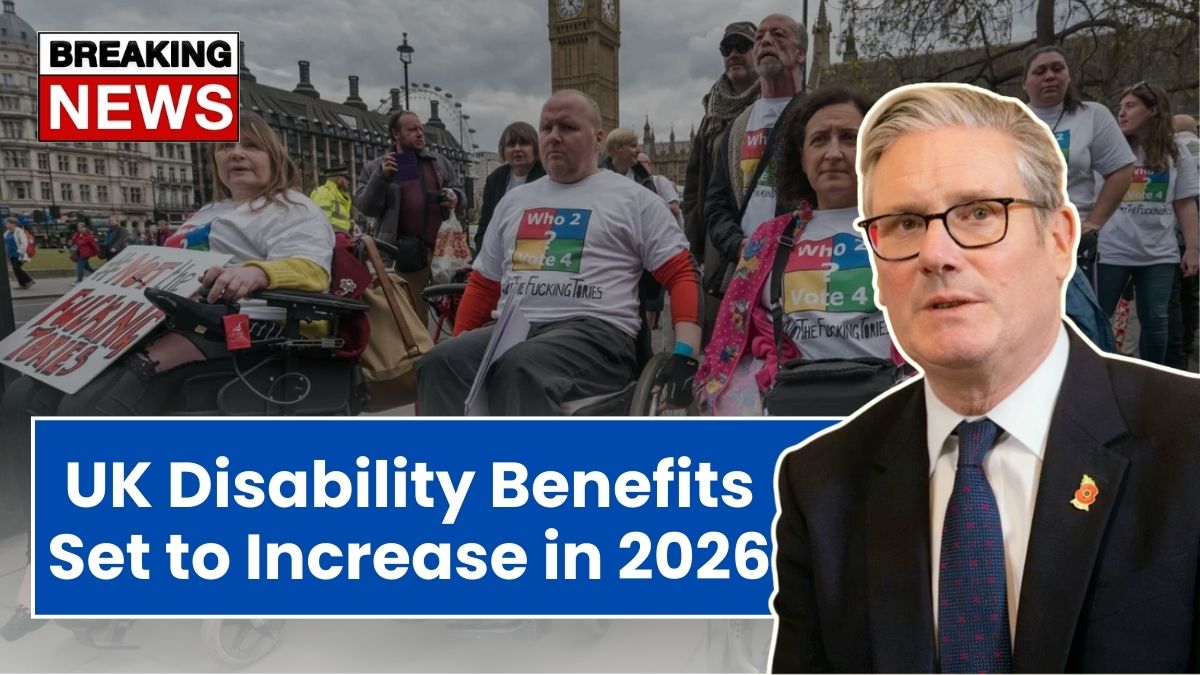
UK Disability Benefits Set to Increase in 2026 – Good news is on the way for millions of households across the UK. The Department for Work and Pensions (DWP) has confirmed that disability benefits will see a significant increase in 2025. This uplift is designed to help cover the rising costs of living, particularly for those managing long-term health conditions. Major benefits such as Personal Independence Payment (PIP), Attendance Allowance, and Disability Living Allowance (DLA) are all set to rise in April 2025, keeping pace with inflation and providing a stronger financial safety net for claimants.
PIP and DLA Claimants Can Expect Higher Payments
For those currently receiving Personal Independence Payment, the 2025 increase brings welcome news. Claimants on the enhanced rates for both daily living and mobility will see their weekly payments rise to £187.45, representing a 1.7 percent increase based on the September 2024 Consumer Price Index (CPI). Those on the standard daily living component will see their weekly amount increase to £73.90 from £72.65. Payments are made every four weeks, so a claimant on the maximum rate can expect around £749.80 more per month. This adjustment is especially important as energy and care costs continue to climb.
Attendance Allowance for Older Adults
Older adults who are at or beyond State Pension age will also benefit. Attendance Allowance, which supports those needing care or supervision, will see an increase in both its higher and lower rates, rising to £110.40 and £73.90 per week respectively. While Attendance Allowance does not include a mobility component like PIP, it still acts as a “passport benefit,” unlocking access to additional support. For example, individuals receiving Pension Credit or Housing Benefit may also receive the Severe Disability Premium, worth an extra £82.90 per week.

Disability Additions to Universal Credit
Universal Credit claimants with limited capability for work and work-related activity (LCWRA) will see their monthly disability addition rise to £423.27. This comes alongside wider reforms planned for 2025 and 2026 to the Work Capability Assessment, which may change the way new claimants are evaluated. However, for current recipients, the 2025 increase will be automatic, ensuring no disruption to ongoing support.
Automatic Payments – No Need to Reapply
Perhaps the most convenient aspect of the 2025 rise is that it is fully automatic. Claimants do not need to contact the DWP or submit a new application to receive the higher payments. The revised rates will be applied from the first full payment cycle after April 6, 2025. Early in the year, claimants will receive a letter confirming exactly how much their weekly and monthly payments will be, helping households plan their budgets ahead of time.
Looking Ahead to 2026
While the 2025 increase will offer immediate relief, projections for the 2026/27 financial year suggest an even higher rise of around 3.8 percent. This would see the improved daily living rate of PIP reach approximately £114.60 per week. The government has pledged to continue uprating disability support annually, which will help maintain the real value of payments against rising costs of mobility aids, special diets, and home energy expenses.

2025 Disability Benefit Rates
To summarise, the main changes to weekly disability benefit rates in 2025 are as follows:
- PIP Enhanced Daily Living: £108.55 → £110.40 (+£7.40 per month)
- PIP Enhanced Mobility: £75.75 → £77.05 (+£5.20 per month)
- Attendance Allowance (Higher): £108.55 → £110.40 (+£7.40 per month)
- DLA Highest Care: £108.55 → £110.40 (+£7.40 per month)
These increases are a meaningful boost for people relying on disability benefits, helping them cover the everyday costs associated with long-term illness or disability.
Disclaimer

This article is intended for informational purposes only and should not be considered financial advice. All figures are based on current government announcements and may be subject to change. For the most accurate and up-to-date information, readers are encouraged to consult official sources, including GOV.UK, DWP, and PIP uprating guidance. While every effort has been made to provide correct information, the DWP retains the authority to adjust benefits or introduce policy changes.