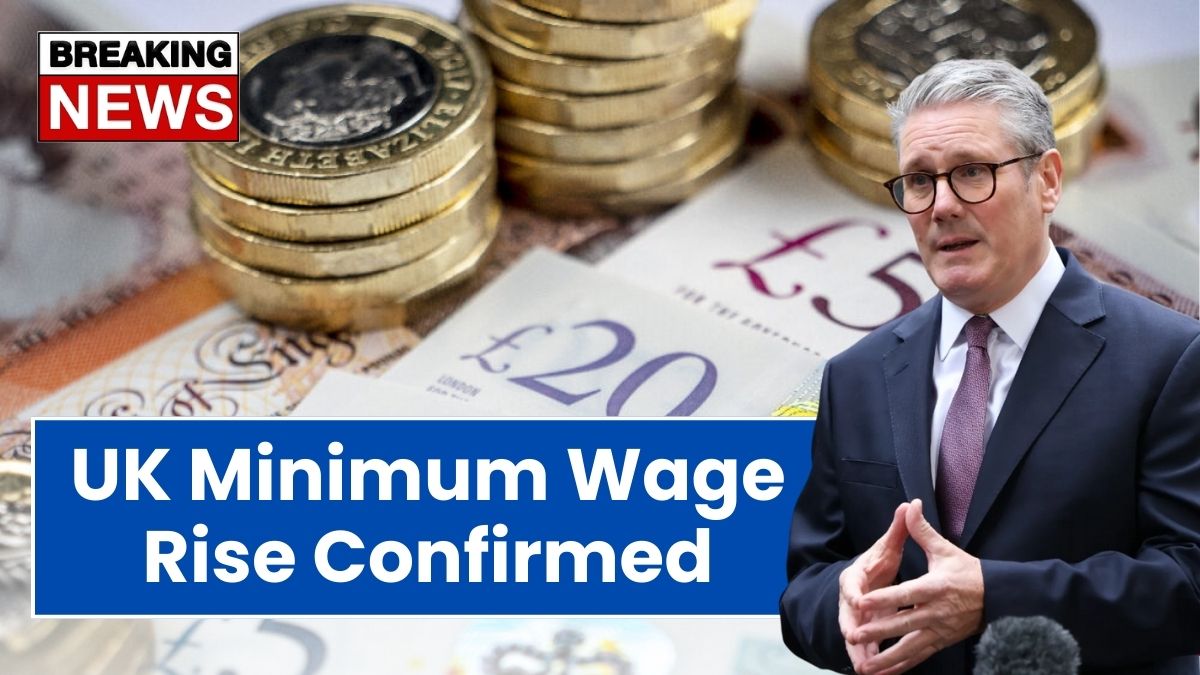
UK Minimum Wage Rise Confirmed – Big news for workers across the UK: the minimum wage is getting a solid boost in 2025. Starting April 1, the National Living Wage (NLW) will rise to £12.21 per hour, up from £11.44—a 6.7% jump. For full-time workers, this translates to around an extra £1,400 a year, benefiting roughly 3 million employees. The government says this increase is part of a long-term plan to get the minimum wage to two-thirds of median hourly earnings, helping workers keep up with the rising cost of living.
Young Workers and Apprentices See the Biggest Boost
While the overall adult rate is rising, younger employees are getting the most significant lift. Workers aged 18 to 20 will see their hourly pay jump by an impressive 16.3%, taking it to £10 per hour. For 16 and 17-year-olds, as well as apprentices, the rise is even bigger—18%—bringing their wage up to £7.55 an hour. For a 19-year-old working full-time, this could mean an extra £2,500 a year, closing the gap between younger employees and more experienced staff. This move is seen as a step towards removing age-based wage discrimination.
Sectors Feeling the Pressure: Hospitality, Retail, and Care
Not everyone will be celebrating. Industries with already thin profit margins—like hospitality, retail, and social care—are likely to feel the pinch. These sectors employ the largest share of minimum wage workers and are simultaneously facing increases in Employer National Insurance Contributions. Small business owners have warned that these combined pressures could lead to reduced working hours, delayed expansion plans, or even higher prices for customers. While workers enjoy pay rises, the costs might trickle down to consumers or force businesses to rethink staffing.

The Reality of Take-Home Pay
Even with a headline-grabbing pay rise, not all workers will see the full benefit in their pockets. Frozen tax thresholds mean some low-income earners could get pushed into the 20% income tax bracket, a phenomenon known as fiscal drag. Those receiving Universal Credit might also see part of their benefit reduced as wages increase. As a result, while the hourly rate jumps by 6.7%, some households may only experience a net income increase of around 2.7% once taxes and benefit adjustments are factored in.
Government Enforcement and Worker Advice
To make sure everyone gets paid correctly, HMRC has emphasised stricter enforcement. Employers who fail to pay the proper rates, even due to minor oversights like unpaid trial shifts or uniform deductions, could be publicly “named and shamed.” Businesses are being urged to double-check payroll systems, especially for staff nearing age thresholds where pay rates change. For workers, the advice is straightforward: keep an eye on your payslip in April to ensure your pay reflects your age category and legal minimum rate.
2025 Minimum Wage Rates at a Glance
- 21 and over (NLW): £12.21 per hour, 6.7% increase
- 18 to 20: £10.00 per hour, 16.3% increase
- Under 18: £7.55 per hour, 18% increase
- Apprentice: £7.55 per hour, 18% increase
These rates aim to offer meaningful support to those earning the least while trying to balance the pressures on businesses.

Disclaimer
This article is intended for informational purposes only. While every effort has been made to provide accurate and up-to-date information, readers should verify details with official sources such as GOV.UK or the Low Pay Commission. The content here does not constitute legal, financial, or employment advice, and we cannot be held responsible for any actions taken based on the information presented. Always consult official guidance for personal circumstances.
