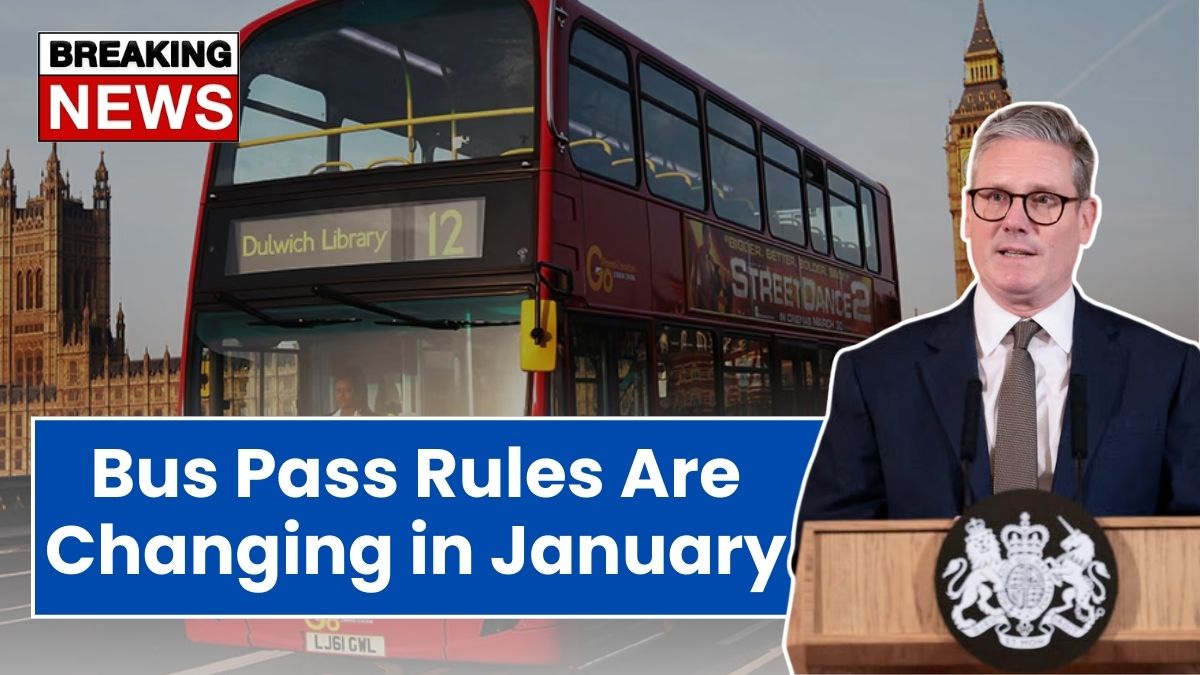
Bus Pass Rules Are Changing in January – For many people across the UK, a bus pass isn’t just a ticket – it’s freedom. It’s how you get to see family, make it to medical appointments, or just nip into town without worrying about the cost. But as we head into 2026, the rules around free bus travel are changing, and it’s important to know what this means for you. The government has announced updates to eligibility, timings, and how passes are issued, particularly in England.
The Rising Age of Eligibility in England
The biggest change coming is the age at which residents in England can claim a free bus pass. Historically, you could apply once you hit 60, but in recent years this has been linked to the State Pension age. From January 2026, the qualifying age will start to move from 66 to 67. This change affects people born between March 1961 and April 1977, meaning some may have to pay for travel for an extra year before they can get a “Senior Pass.” The government says this is to make the scheme sustainable, though it will understandably feel frustrating for those approaching retirement.
Regional Differences Across the UK
It’s important to remember that bus pass rules aren’t the same everywhere. Scotland, Wales, and Northern Ireland have their own schemes, meaning the changes in England don’t automatically apply elsewhere. In Scotland and Wales, residents generally still qualify for free travel at 60, regardless of the State Pension age. Northern Ireland has a similar system through the SmartPass. Londoners can continue to apply for a 60+ Oyster photocard, funded by Transport for London rather than the national scheme. So, where you live really does make a difference.

The Move Toward Digital Passes
Technology is finally coming to the bus pass system. Starting January 2026, councils are being encouraged to move applications and renewals online. Many people will be able to store their bus pass on their smartphone, which should make life easier if you’re worried about losing or misplacing a card. Physical cards won’t disappear entirely, as the government recognises not everyone is comfortable with digital-only systems. The aim is to simplify the process and reduce the administrative load on local authorities.
Stricter Residency and Usage Checks
From 2026, councils are planning to tighten residency requirements. This means you may need to provide more detailed proof of address when applying or renewing your pass. The idea is to make sure that only those genuinely eligible are using the passes and to protect the scheme for future generations. Local councils have limited budgets, so keeping the system fair and sustainable is a priority.
Changes for Disabled Travel Passes
While age-related passes are getting most of the headlines, there are small updates for disabled bus passes too. Core eligibility remains the same – anyone with a qualifying disability can access free travel regardless of age. But councils will adopt a more standardised approach to medical evidence, which should reduce inconsistencies between regions. Companion passes, which allow carers to travel for free with someone who has a severe mobility or cognitive impairment, will face a stricter application process. These changes are designed to prevent misuse while ensuring essential support remains available.

Adjustments to Travel Times
The “off-peak” rule – generally free travel from 9:30 am to 11:00 pm on weekdays and all day on weekends – largely remains in place. However, some local authorities now have more flexibility to adjust these times depending on demand and budget. In some areas, the morning blackout period may be extended, while others, like Greater Manchester, are experimenting with removing time restrictions entirely to encourage more usage. This means it’s worth checking the rules for your local area, as they could vary quite a bit.
Why Are These Changes Happening Now?
The main reason behind these updates is demographic change. People are living longer, which is great news, but it also puts pressure on non-means-tested benefits like free bus travel. Reimbursing bus companies for concessionary journeys costs hundreds of millions of pounds every year. By linking bus passes to the State Pension age, the government is delaying payments, helping keep the scheme financially viable while still offering support to those who need it.
How to Prepare for the 2026 Changes
If you’re approaching the age of 66, it’s a good idea to check your eligibility now. Don’t assume you’ll automatically get your pass on your birthday. The easiest way to confirm your date is through the official GOV.UK “Apply for an older person’s bus pass” tool, which will include 2026 transition dates. Make sure your local council has your correct contact details, especially if you’ve moved recently, as renewals will be sent automatically. If you prefer a physical card over a digital one, you may need to specifically opt out of the digital-only option during renewal.

Final Thoughts
The bus pass rule changes coming in January 2026 represent a big shift in a system that’s been largely unchanged for decades. While the increased qualifying age in England may be disappointing for some, the push toward digital passes, stricter residency checks, and local flexibility are aimed at modernising the service. Staying informed about these changes will help you plan your travel and avoid surprises when the new rules come into effect. Whether you’re a regular commuter or just use the bus for shopping trips, knowing what’s coming is the best way to ensure a smooth journey.
Disclaimer
This article is for general informational purposes only. While we strive to provide accurate and up-to-date information, bus pass eligibility and rules are subject to change by local authorities and the UK government. Readers should always verify details using official sources, such as GOV.UK or their local council, before making travel or financial decisions. This content is not a substitute for legal or professional advice.
