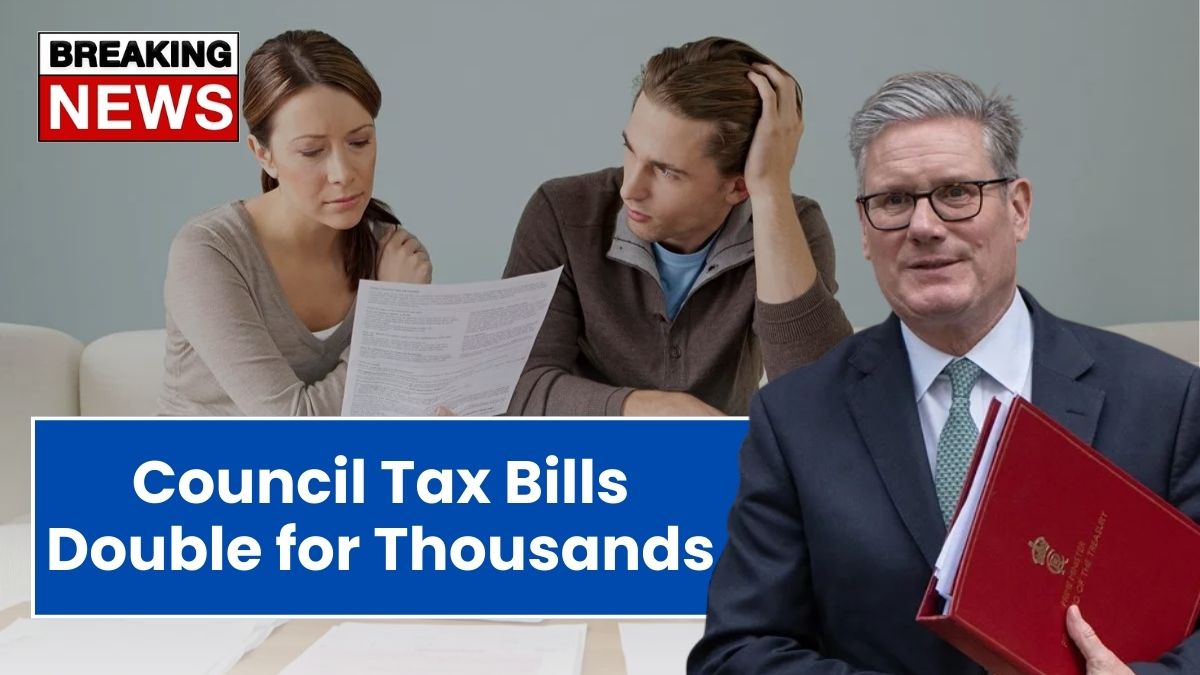
Council Tax Bill Hikes – Thousands of homeowners across England have been left stunned after opening their post to find council tax bills that are double what they paid before. For around 12,000 households, this sudden increase has arrived with little warning and at a time when household budgets are already stretched by higher food, energy and housing costs.
The shock has been particularly severe for pensioners, low-income homeowners and families dealing with difficult circumstances. Many believed their council tax situation was settled and stable, only to discover that their property had been reclassified under rules they were barely aware existed. While councils insist the charges are legal, homeowners across the country say the lack of clear communication has made the situation far more distressing than it needed to be.
This article breaks down why these double council tax bills are happening, who is most affected, and what you can do if you think your bill is wrong or unaffordable.

Why Some Homeowners Are Seeing Double Council Tax Bills
The sudden increases are not the result of a nationwide council tax hike alone. In most cases, the bills are rising because councils have applied existing premium charges to certain properties. Under current rules, local authorities are allowed to charge up to 200% council tax on homes that meet specific criteria.
Many homeowners only discover these rules when a dramatically higher bill arrives. Councils argue that these premiums are designed to discourage homes from being left empty during a national housing shortage. For homeowners on the receiving end, however, it feels far more like a punishment than a policy incentive.
Empty Homes Are the Main Trigger
The most common reason for a double council tax bill is that a property has been classed as long-term empty. In England, councils can apply higher charges when a home has been unoccupied and unfurnished for more than a year.

Once a property crosses this threshold, councils have the power to increase the charge, and the longer the home remains empty, the higher the bill can climb. Some homeowners are now being billed at double the standard rate because their council believes the property qualifies, even when the owner strongly disagrees.
Disputes often arise over what counts as “empty”, especially if the property has been visited occasionally or partially used.
Second Homes Are Also Under Pressure
Second homes are another major target. Councils in areas facing housing shortages are increasingly using their powers to apply premium charges to properties that are not a main residence.

Although this authority has existed for years, many councils only recently began using it aggressively as their finances tightened. Homeowners who use a second property occasionally, or who assumed it was exempt, are now being caught out by much higher bills.
In tourist and coastal areas, this has become a particularly contentious issue, with councils arguing that second homes reduce housing availability for local residents.
Administrative Reviews Are Catching People Out
Another reason behind the surge in higher bills is council-led reviews of property records. Local authorities regularly audit their databases to check whether properties are being taxed correctly.

If a council decides that a home has been misclassified in the past, the charge can change suddenly once records are updated. While councils say they notify homeowners, many residents claim letters were unclear, missed, or never received at all.
This has left some people feeling blindsided by a financial demand they were not prepared for.
Who Is Most Affected by the Double Bills
The impact of these council tax shocks is not spread evenly. Certain groups are far more likely to be affected due to the nature of their property ownership or personal circumstances.

Pensioners who have inherited property, landlords between tenants, and families dealing with probate after a death are among those most commonly caught by the rules. Homeowners renovating properties also feature heavily, especially when work takes longer than planned.
Pensioners Facing Unexpected Financial Stress
For many older homeowners, a sudden doubling of council tax is simply not something they can absorb. Pension incomes are often fixed, and budgets are carefully planned months in advance.
Some pensioners believed their properties qualified for exemptions or discounts, only to discover that these had expired or never applied. For those already struggling with rising living costs, the extra charge has caused serious anxiety.

In some cases, pensioners have said the bill forces them to choose between essentials, which highlights how disruptive these changes can be.
Families Caught During Probate or Renovations
Homes left empty during probate or major renovation work often fall into grey areas. Some councils offer temporary relief during these periods, but this is not automatic and varies widely across the country.
Once any relief ends, full charges can apply immediately. Families who assumed they had more time are now finding themselves hit with bills they simply cannot afford, often during already stressful situations.

Why Councils Are Pushing These Charges Now
Local councils across England are under enormous financial pressure. Rising costs for social care, waste services and housing support, combined with reduced central government funding, have left many authorities struggling to balance their budgets.
Premium council tax charges on empty and second homes are one of the few ways councils can raise additional revenue without increasing the standard rate for everyone. From a policy standpoint, councils argue this approach is fair. From a homeowner’s perspective, it often feels sudden and unforgiving.
Is the Double Council Tax Charge Legal
Yes, these charges are legal under existing legislation. Councils are within their rights to apply higher rates when properties meet the required criteria.

However, legality does not guarantee accuracy. Mistakes do happen, and some homes are wrongly classified due to outdated or incorrect information. This is why checking every detail of your bill is so important.
What Homeowners Should Check Immediately
If your council tax bill looks far higher than expected, do not ignore it. Acting quickly can make a real difference.
Check how your property has been classified and look for phrases such as “long-term empty” or “premium charge”. If the description does not reflect your situation, you may have strong grounds to challenge it.

Evidence Can Make or Break a Challenge
Councils rely heavily on records, but those records are not always accurate. If your property has been occupied, even occasionally, you may be able to prove it using utility bills, tenancy agreements or other paperwork.
Photographs, renovation invoices and previous council correspondence can also help support your case. The more evidence you can provide, the stronger your position will be.
Discounts and Exemptions Still Exist
Despite the headlines, not all hope is lost. Some councils offer discretionary discounts for people facing financial hardship, while others allow exemptions during probate or major structural repairs.

These options are not always clearly advertised, so you may need to ask directly. Many homeowners miss out simply because they do not know what help is available.
Payment Plans Can Ease the Pressure
If the charge is valid but unaffordable, contact your council as soon as possible. Most councils would rather agree a payment plan than pursue enforcement action.
Spreading the cost over a longer period can reduce immediate financial strain. Ignoring the bill, however, can lead to extra charges and legal action, making the situation far worse.

Why This Issue Is Likely to Grow
The number of households facing double council tax bills is expected to rise. Councils are continuing to review property records and tighten enforcement, particularly in areas with high housing demand. With further budget pressures expected next year, premium charges are unlikely to disappear any time soon.
Final Thoughts on the Council Tax Shock
For the 12,000 homeowners already affected, the arrival of a double council tax bill has been a harsh and worrying shock. While councils defend the policy as necessary, poor communication has left many people feeling caught off guard.
If you receive a higher-than-expected bill, act quickly, ask questions and seek clarification. In many cases, there are options available, but only if you know to look for them. As living costs continue to rise, council tax is becoming yet another pressure point for households across England.

Disclaimer
This article is for general information purposes only and is based on publicly available council tax rules and common homeowner experiences across England. Council tax policies, discounts and exemptions vary by local authority and individual circumstances. This content should not be taken as legal or financial advice. Homeowners are advised to contact their local council or a qualified adviser for guidance specific to their situation before making any decisions.