As February 2026 moves forward, many Americans are still paying close attention to their bank accounts. The financial strain that began during the holiday season has not eased for everyone. Rent, groceries, medical costs, and lingering winter expenses continue to stretch household budgets. In this climate, online conversations about a possible $2,000 federal deposit remain widespread, fueled by social media posts and attention-grabbing headlines.
No New Universal $2,000 Stimulus Approved
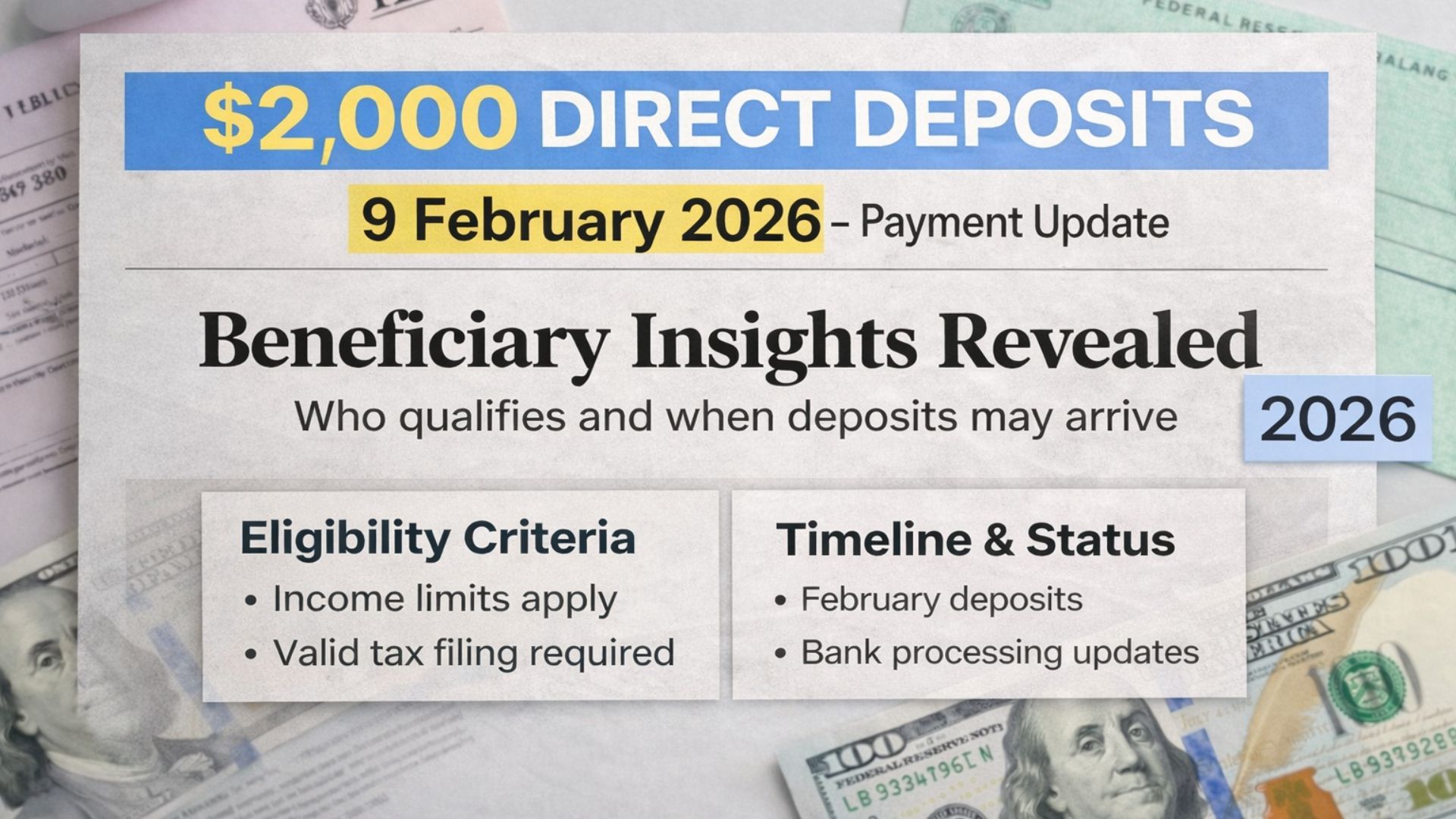
Despite the ongoing discussion, there is still no official confirmation of a new universal $2,000 stimulus payment. Congress has not passed any new legislation, and neither the IRS nor any federal agency has announced a nationwide payment for all Americans in February 2026. Claims suggesting that everyone will automatically receive $2,000 are not supported by official government statements.

Why People Are Seeing Deposits Near $2,000
Although no new stimulus exists, many people are receiving federal deposits that are close to $2,000. These payments are coming from programs that already operate every year. February is a particularly active month for federal payments, which explains why many deposits are appearing now and creating confusion.
Tax Refunds Play a Major Role in February

One of the biggest sources of February deposits is tax refunds. Taxpayers who filed early and chose direct deposit may begin seeing refunds during this time. Refundable tax credits related to income, children, education, or healthcare can significantly increase refund amounts. For some households, these combined credits push refunds close to or above $2,000, leading to the belief that a new payment has been issued.
Federal Benefits Add to the Confusion
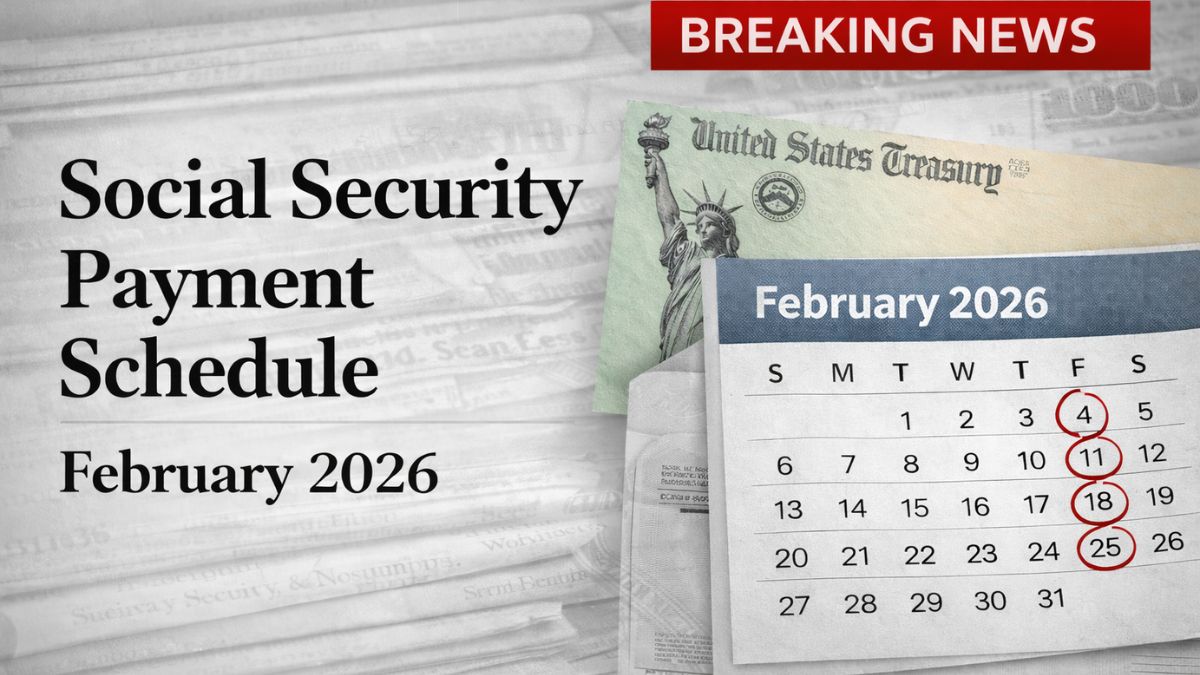
Federal benefit programs also contribute to the $2,000 discussion. Social Security, SSI, and SSDI payments continue as scheduled in February. Depending on individual benefit levels, cost-of-living adjustments, or corrected payments, some recipients may receive deposits near $2,000. In certain cases, back payments or adjustments may appear as a larger one-time deposit.

Who Is Eligible Depends on the Program
Eligibility depends entirely on the source of the payment. Tax refunds depend on filing status, income, and credits claimed, while benefit payments depend on program rules and personal circumstances. There is no single payment date or universal eligibility rule. Keeping tax filings accurate and banking information updated helps prevent delays.
Understanding the Reality Behind the Headlines

The continued talk of a $2,000 federal deposit reflects real financial stress faced by many Americans. While no new stimulus check exists in February 2026, existing refunds and benefit programs remain an important source of support. Understanding where the money comes from helps people plan better and avoid unnecessary confusion.
Disclaimer
This article is for informational and educational purposes only and does not provide legal, tax, or financial advice. Federal payment programs, eligibility rules, and timelines may change. Individual circumstances vary. Readers should consult official IRS, SSA, or other government resources or a qualified professional for guidance specific to their situation.