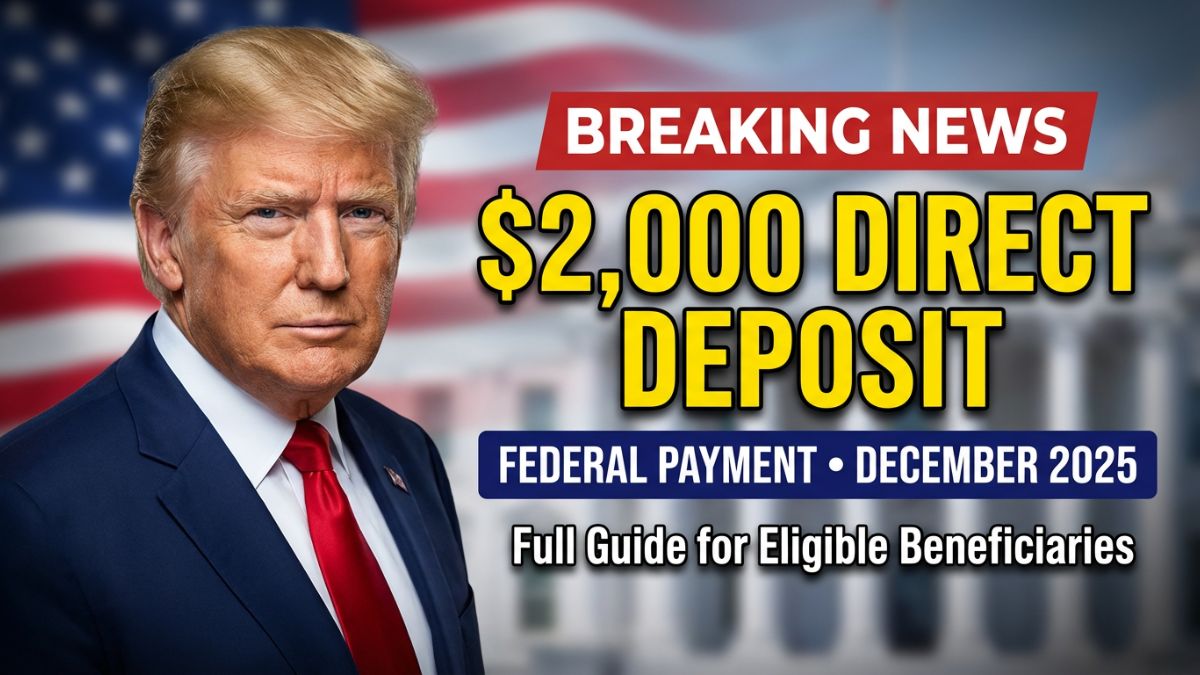
Federal $2,000 Deposit Arriving December 2025: December 2025 is shaping up to be a month of relief for many Americans who have been struggling with rising costs. With inflation affecting rent, groceries, healthcare, and everyday expenses, a proposed $2,000 federal deposit could offer much-needed financial support. This payment is expected to help low-income families, seniors, and individuals who depend on federal assistance programs.
For millions of households, even a one-time payment can make a meaningful difference during the holiday season. While final confirmation is still pending, early information suggests this deposit is meant to ease financial pressure and provide temporary stability.
Background of the $2,000 Federal Deposit Program
Over the past few years, economic challenges have continued to affect American families. High housing costs, medical bills, and everyday inflation during 2024 and 2025 have reduced savings and increased financial stress. In response, the federal government has been considering short-term relief measures.

The proposed $2,000 federal deposit is expected to be a one-time payment issued near the end of 2025. It is designed as an inflation relief measure rather than a permanent benefit. The goal is to provide quick support to those who need it most.
Who the Payment Is Intended to Support
The federal government is expected to focus this payment on individuals already enrolled in key assistance programs. Social Security beneficiaries, including retirees and people receiving disability benefits, are among the primary groups expected to benefit. These individuals often live on fixed incomes that are heavily affected by rising prices.
Low-income households and families facing financial hardship are also expected to be included. Veterans receiving disability compensation or pensions may qualify as well. The overall aim is to reach people who are most vulnerable to economic instability.
यह भी पढ़े:
 IRS Confirms $2,000 Direct Deposit for December 2025: Full Eligibility, Dates, and Process Explained
Eligibility Expectations for the $2,000 Deposit
While final eligibility rules have not been officially released, early guidance suggests several common requirements. Eligible individuals will likely need to be U.S. citizens or lawful residents. Income limits may apply, particularly for those not already receiving federal benefits.
Tax records from 2024 and 2025 may be used to verify eligibility. Individuals receiving Social Security, SSI, SSDI, or VA benefits are expected to qualify automatically if their records are up to date. Accurate information is essential to avoid delays.
When the December 2025 Payments May Be Issued
Payment distribution is expected to take place between mid-December and late December 2025. Federal agencies often issue payments in phases to manage processing efficiently. Individuals with direct deposit set up are likely to receive funds earlier.

Those without direct deposit may receive paper checks later in the month. Processing times can vary depending on banking institutions and mailing schedules. The staggered approach helps ensure payments reach recipients securely.
Whether an Application Will Be Required
Most beneficiaries are expected to receive the payment automatically. This includes people already receiving Social Security, SSI, SSDI, VA benefits, or those who have filed recent tax returns with the IRS. For these individuals, no separate application is likely to be required.
However, individuals with incomplete records or outdated banking details may need to update their information. Filing missing tax returns or correcting personal details can help ensure smooth payment delivery.
यह भी पढ़े:
 IRS Approves $2,000 Direct Deposit for December 2025 – Eligibility, Payment Dates & Full Claim Guide
How the $2,000 Payment Will Be Delivered
Direct deposit is expected to be the primary method of payment. This allows funds to arrive quickly and securely in recipients’ bank accounts. Many beneficiaries may see the money within a few days of processing.
If direct deposit is not available, a paper check may be mailed to the address on file. Some SSI and SSDI recipients may also receive the payment through a Direct Express card. Keeping records current is key to avoiding delays.
Why the Government Is Considering This Payment
The main reason behind this proposed payment is to help Americans manage the rising cost of living. Inflation has increased expenses for essentials such as food, rent, fuel, and healthcare. For people on fixed or limited incomes, these increases are especially difficult.

This payment is intended to provide short-term relief during a financially demanding season. It may help families cover bills, buy necessities, or manage emergency expenses. The timing during December makes it particularly valuable.
What Beneficiaries Should Do Right Now
Beneficiaries are encouraged to review their banking and contact information with the IRS, Social Security Administration, or Department of Veterans Affairs. Even small errors can delay payments. Updating records early can prevent problems later.
It is also important to remain cautious about scams. No legitimate agency will ask for fees or personal information through unsolicited calls or messages. Official updates will only be shared through government websites and notices.

Tax Considerations for the $2,000 Deposit
Based on past relief programs, this payment is expected to be non-taxable. Previous federal relief payments were excluded from taxable income. However, official confirmation will come closer to the payment date.
Beneficiaries should still monitor IRS guidance or consult a tax professional if unsure. Understanding tax treatment helps avoid confusion during the next filing season.
Final Thoughts on the December 2025 Federal Payment
The proposed $2,000 federal deposit in December 2025 represents hope for millions of Americans facing economic hardship. While it is a one-time payment, its impact could be meaningful during a time of high expenses and financial stress.
Staying informed, keeping records updated, and relying on official sources will help beneficiaries receive the payment smoothly if it is approved. This relief measure reflects ongoing efforts to support vulnerable communities.
Disclaimer
This article is for informational purposes only and is based on preliminary information and public discussions regarding a possible federal relief payment. Final eligibility rules, payment amounts, tax treatment, and timelines may change depending on official government announcements. Readers should verify all details through official IRS, SSA, or federal government websites or consult a qualified financial professional.