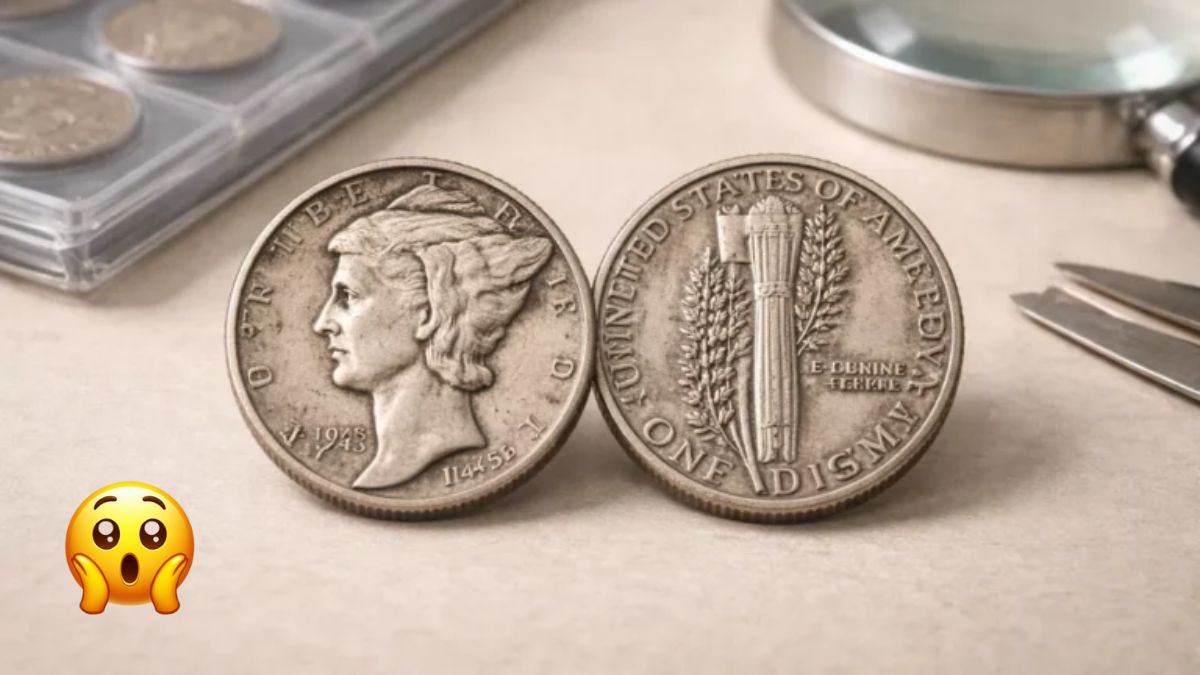
Rare Mercury Dime Value 2026: When people think of valuable coins, they often picture large gold pieces or ancient treasures. However, the Mercury Dime proves that something small can carry tremendous value and historical importance. These tiny pieces of American currency represent far more than their original ten-cent denomination. They embody artistic expression, historical events, and the dreams of collectors worldwide. The appeal of Mercury Dimes extends beyond their monetary worth, touching on the romance of discovery and the thrill of uncovering something precious in everyday transactions. For many numismatists, finding a rare Mercury Dime is equivalent to discovering buried treasure, even if that treasure fits in the palm of your hand.
The Story Behind the Mercury Dime Design and Its Creation
Between 1916 and 1945, the United States Mint produced the Mercury Dime, officially named the Winged Liberty Head dime. Artist Adolph A. Weinman created this beautiful design during a transformative period in American history. On the front of the coin, Lady Liberty appears wearing a winged hat, representing freedom of thought and the liberty that America held dear. The back of the coin displays a fasces, an ancient symbol of authority, alongside an olive branch that signifies peace and harmony. This combination of symbols made the Mercury Dime one of the most aesthetically pleasing coins in the entire American numismatic collection. The design transcended mere currency and became a work of art that people treasured then and continue to appreciate today.
Why Collectors Remain Passionate About Mercury Dimes
The appeal of Mercury Dimes extends far beyond their silver content or monetary value. Collectors find themselves drawn to these coins because they represent a crucial chapter in American history, spanning the years of World War One, the challenging Great Depression, and World War Two. The coins in someone’s collection serve as physical reminders of resilience, freedom, and national pride during uncertain times. Each dime tells a story of the mint that produced it and the era when it circulated among everyday people. Additionally, the artistic quality of the design ensures that Mercury Dimes remain beloved by both seasoned collectors and newcomers to the hobby. Whether someone collects them for investment purposes or simply appreciates their beauty, Mercury Dimes continue to captivate the hearts of numismatists across the nation.
The Legendary 1916-D Mercury Dime: A Numismatic Wonder
Among all Mercury Dimes, the 1916-D stands as the most sought-after and valuable variant. This particular dime was produced at the Denver Mint and represents the rarest date in the entire Mercury Dime series. Only 264,000 examples were struck, making it significantly scarcer than other dates from the same series. In exceptional condition, meaning the coin displays its original shine and shows virtually no signs of circulation wear, the 1916-D has achieved auction prices exceeding one million dollars. This astronomical value demonstrates how rarity, condition, and historical significance combine to create an object of immense financial and cultural worth. For collectors, the 1916-D represents the ultimate prize, the coin that could potentially change a collector’s life if discovered among old collections or inherited family treasures.
Understanding Minting Errors and Their Collecting Value
Throughout the Mercury Dime production years, various minting errors and unusual varieties emerged from the production process. These anomalies occurred when dies became worn, when mint workers accidentally punched marks in incorrect locations, or when the coin blanks were not centered properly on the press. Collectors actively seek examples showing doubled images, repunched mint marks where one mark was struck over another, and off-center strikes where the design appears shifted on the coin’s surface. These errors make each affected coin unique and distinctly different from standard examples. The presence of such minting errors significantly increases both the rarity and desirability of affected coins, often commanding premium prices from collectors who appreciate the manufacturing mistakes of a bygone era.
The Critical Role of Condition in Determining Mercury Dime Value
One of the most important factors affecting a Mercury Dime’s value is its condition or grade. Numismatists use a standardized grading scale ranging from poor condition, indicating heavy wear and damage, all the way to mint state, meaning the coin appears exactly as it did when originally produced. A Mercury Dime in mint state condition retains its full original luster and brilliance, showing absolutely no indication of having circulated in commerce. The difference in price between a well-worn Mercury Dime and one in mint condition can be staggering, with pristine examples commanding thousands of times more than their heavily circulated counterparts. This dramatic difference underscores why serious collectors invest in professional coin grading services that assign official grades based on established industry standards and detailed examination.
Identifying Valuable Mercury Dimes in Your Collection
For those interested in discovering valuable Mercury Dimes, knowing what to look for is essential. First, examine the date on the coin’s obverse side, paying particular attention to the year of manufacture. Next, locate the mint mark on the reverse side near the lower left portion of the fasces design. Different mint marks correspond to different production facilities, with Denver marked “D” and San Francisco marked “S.” Beyond the 1916-D, other notable rare dates include the 1921, which had limited Philadelphia production, and the 1926-S from San Francisco. By understanding these key identifying features, collectors can quickly determine whether a dime in their possession might have significant value or represents a more common variety.
The Intrinsic Value of Silver Content and Market Appeal
Mercury Dimes contain ninety percent silver, which gives them inherent precious metal value independent of their numismatic worth. As silver prices fluctuate in global commodity markets, the baseline value of Mercury Dimes rises and falls accordingly. However, rare varieties like the 1916-D far exceed their simple metal value due to historical scarcity and collector demand. This combination of both precious metal content and numismatic rarity creates a unique investment vehicle that appeals to both precious metal investors and coin collectors seeking tangible assets.
The Mercury Dime continues to represent one of the most rewarding pursuits in numismatics, offering collectors the possibility of discovering extraordinary treasures in unexpected places while preserving pieces of American history for future generations.
Disclaimer
This article is intended for informational and educational purposes only. Coin prices and values fluctuate based on market conditions, rarity, condition, and collector demand. The values mentioned in this article are based on historical auction records and may not reflect current market prices. Before making any investment decisions or selling coins, please consult with a professional numismatist or certified coin grading service. The author and publisher assume no responsibility for financial decisions made based on this information. Always verify coin authenticity and current values through official coin grading organizations.