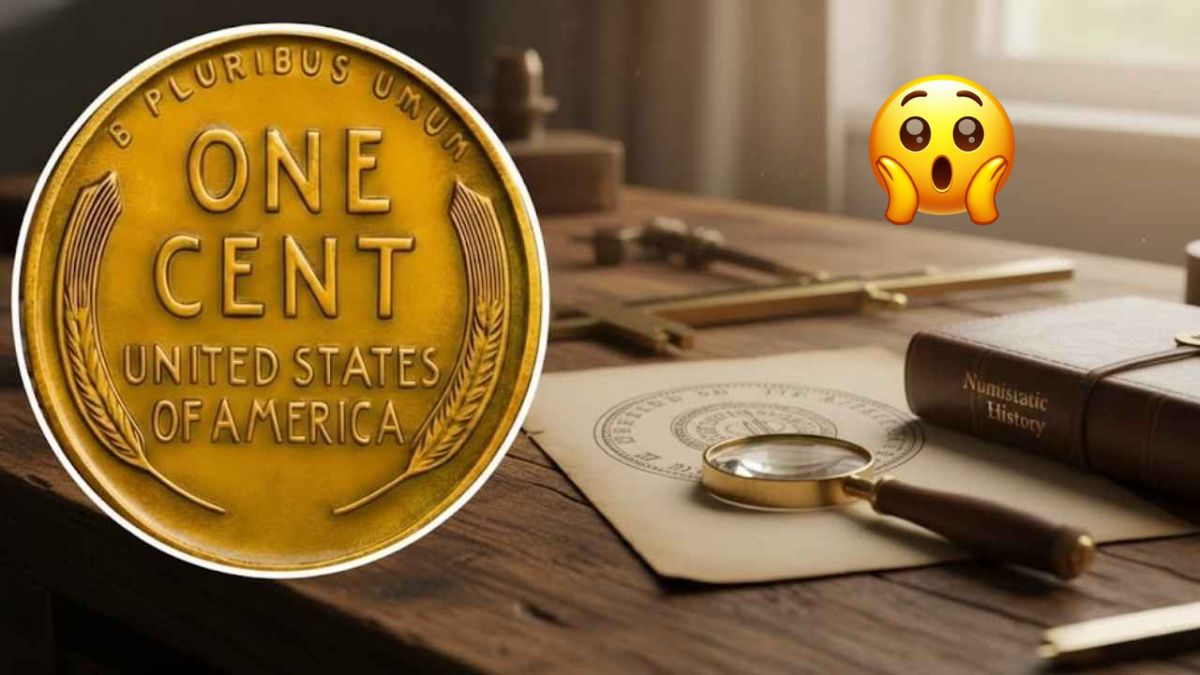
Lincoln Wheat Penny Value Guide 2026: The Lincoln Wheat Penny holds a special place in the hearts of American numismatists and casual collectors alike. Introduced in 1909 to commemorate what would have been the one hundredth birthday of President Abraham Lincoln, this coin marked a pivotal transformation in American coinage design. Prior to this significant release, United States coins featured allegorical figures and symbolic representations rather than the portraits of actual historical figures. The decision to place Lincoln’s image on everyday currency created an unprecedented connection between ordinary Americans and their historical leadership. Designed by accomplished artist Victor David Brenner, the coin displayed Lincoln’s distinctive profile on the front and featured two wheat stalks adorning the reverse side, symbolizing the agricultural foundation of American prosperity and the nation’s enduring resilience through challenging times.
Understanding the Design Elements and Their Symbolic Meaning
The artistic composition of the Wheat Penny incorporated meaningful symbolism that resonated with the American public. Lincoln’s portrait on the obverse side served as a constant reminder of his leadership during the nation’s greatest crisis, the Civil War. The reverse design featuring two wheat stalks represented agricultural abundance and national growth, reflecting the agrarian heritage that remained important to many Americans during the early twentieth century. The overall aesthetic of the coin conveyed messages of stability, progress, and respect for the leadership that guided the nation through turbulent periods. The combination of these artistic elements created a coin that transcended its monetary value and became a symbol of American identity and values. This thoughtful design philosophy contributed significantly to the coin’s enduring popularity and its continued desirability among collectors more than a century later.
The Public’s Enthusiastic Reception and Emotional Connection
When the Wheat Penny first entered circulation, it was greeted with widespread appreciation throughout American communities. The public’s admiration for Abraham Lincoln combined with the novelty of having his portrait on everyday currency created a powerful emotional response. Many citizens began deliberately saving these new coins as precious keepsakes rather than spending them in everyday transactions. This collecting instinct among ordinary people ensured the survival of many examples that might otherwise have been lost to circulation and wear. The widespread practice of saving Wheat Pennies during the early years of production created a large foundation of collectible specimens that benefit modern enthusiasts today. This historical behavior demonstrates how coins can transcend their practical function as currency and become treasured artifacts of cultural significance and personal memory.
The Controversial VDB Initials and Their Historical Impact
In the early production years, a significant controversy emerged regarding the designer’s initials on the coin’s reverse. Victor David Brenner’s initials, VDB, appeared prominently on the coin, sparking considerable debate among critics and government officials. Opponents argued that the initials were inappropriately prominent for a one-cent piece and that such marking set an unwanted precedent for designer signatures on American currency. Due to this controversy, the Mint made the decision to remove the initials later in 1909. This modification created distinct varieties of the 1909 Wheat Penny, with the most sought-after being the 1909-S VDB from the San Francisco Mint. This particular variant has become one of the most valuable pennies in existence due to its limited production and the famous controversy surrounding it. The historical drama surrounding the VDB initials adds an extra layer of collecting interest and narrative richness to these already valuable coins.
Composition Changes During Wartime: The Steel Penny Era
Throughout most of its production history, the Wheat Penny maintained a consistent composition primarily of copper. However, during the Second World War, severe copper shortages created by wartime military demands forced the United States Mint to explore alternative materials. In 1943, the Mint struck pennies using zinc-coated steel instead of traditional copper alloys. These steel cents appear distinctly different from their copper predecessors, displaying a silvery appearance that immediately distinguishes them from other dates. These wartime coins represent a unique chapter in numismatic history and serve as tangible reminders of the economic sacrifices required during global conflict. Many collectors actively seek examples of these steel pennies as important historical documents that connect them to this significant period in American history. The dramatic material change underscores how even one-cent pieces can reflect broader national circumstances and historical events.
Identifying Rare Dates and Key Varieties Worth Seeking
Serious collectors focus particular attention on certain dates that define the Wheat Penny series and command premium values. The 1914-D from the Denver Mint represents a genuinely scarce example due to limited production during that particular year. The mysterious 1922 No D, where the Denver Mint mark failed to appear on the die, creates an unusual and valuable variant that captures collector interest. The 1931-S from San Francisco represents another key date characterized by exceptionally low mintage figures. Understanding which dates are genuinely scarce and which are simply common allows collectors to prioritize their acquisition efforts effectively. These key dates and rare varieties form the foundation of specialized collections and represent the coins that serious numismatists actively pursue to complete comprehensive sets.
The Conclusion of the Wheat Penny Era and Design Evolution
The production of Wheat Pennies continued successfully through the year 1958, after which the design was retired to make room for a new reverse design. In 1959, the Mint replaced the wheat stalks with an image of the Lincoln Memorial to honor what would have been Lincoln’s 150th birthday. Despite this design change, Wheat Pennies remain deeply treasured by collectors worldwide for their classic aesthetic appeal and profound historical significance. The lengthy fifty-year run of the original design demonstrates its enduring popularity and artistic merit. This extended production history creates numerous opportunities for collectors to pursue examples from various decades and mint locations, making the series appealing to enthusiasts at all experience levels.
Building Your Own Collection: From Beginner to Advanced
The wonderful accessibility of Wheat Penny collecting makes it an ideal entry point into numismatics for beginners while offering unlimited depth for advanced collectors. Newcomers can begin their journey by acquiring common date examples at minimal cost, learning fundamental collecting principles without significant financial commitment. As knowledge and passion grow, collectors can gradually pursue rarer dates, high-grade examples, and unusual varieties. This natural progression from simple to complex collecting satisfies different experience levels and budgets. Whether someone spends modest amounts on common dates or invests substantially in rare examples, the Wheat Penny hobby accommodates all approaches and preferences.
The Lincoln Wheat Penny remains an iconic symbol of American numismatic heritage, offering collectors a meaningful connection to the nation’s history while providing endless opportunities for discovery and appreciation.
Disclaimer
This article is provided solely for educational and informational purposes. Coin values fluctuate based on numerous factors including market conditions, condition grades, rarity levels, and collector demand. The prices mentioned herein are based on historical auction records and may not reflect current market values. Before purchasing, selling, or evaluating rare coins, please consult with certified professional numismatists or accredited coin grading services. The author and publisher do not assume responsibility for any financial decisions or losses incurred based on the information contained in this article. Always seek expert authentication and professional appraisals before engaging in significant numismatic transactions.