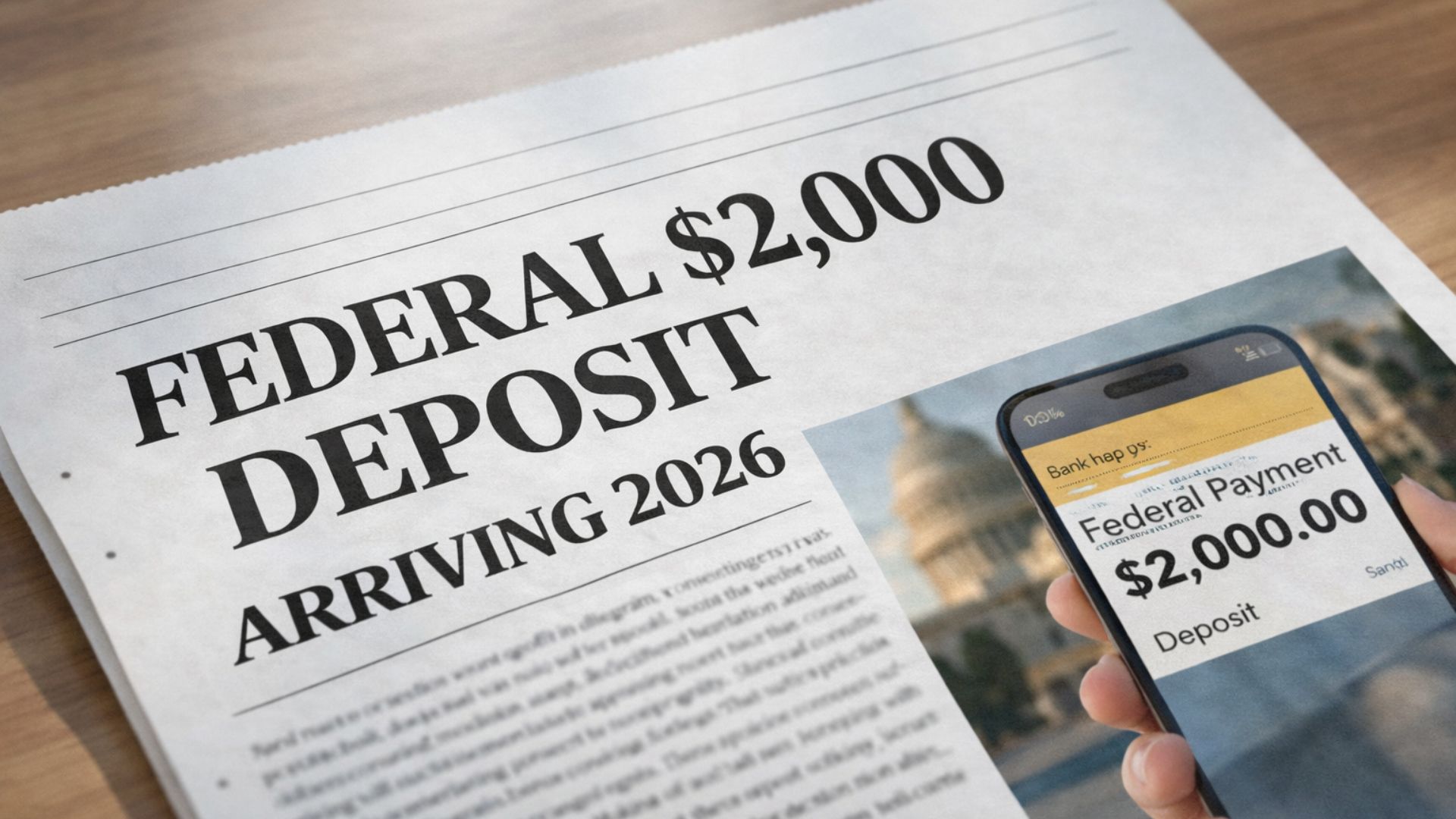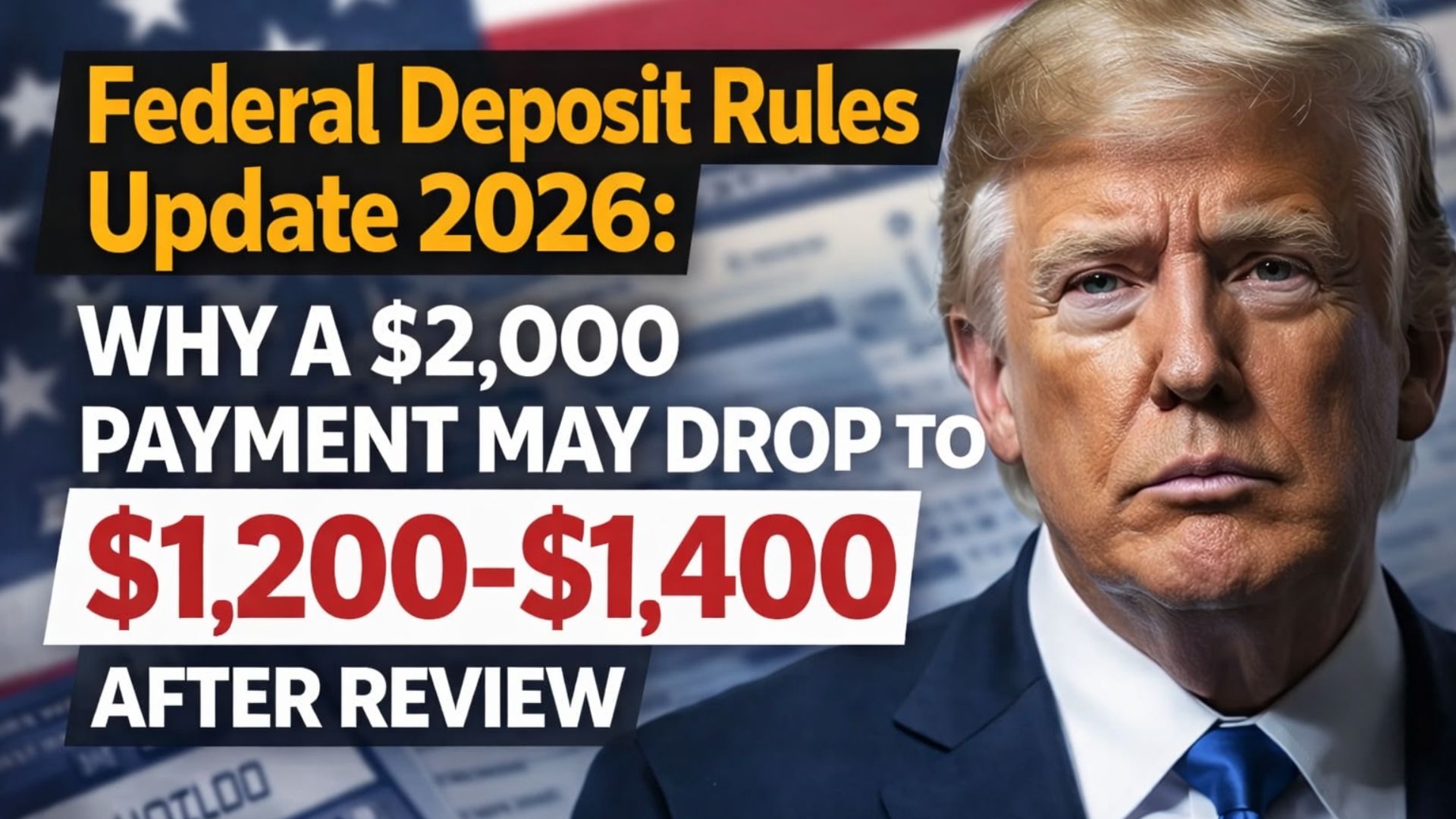
Many people across the United States are feeling confused and disappointed after expecting a federal deposit of $2,000, only to see a smaller amount—often between $1,200 and $1,400—arrive in their bank account. With social media posts and online discussions repeatedly claiming a fixed amount, it is easy to assume that something went wrong. In most cases, however, the lower deposit is not an error or a cancellation, but the result of how federal payments are now processed in 2026.
Why the Expected Amount Changes
The amount people expect is often based on early estimates or unverified information. Once a payment enters official processing, it goes through multiple verification steps. Federal systems now place greater emphasis on confirming income records, household details, benefit history, and previous tax filings. If the system cannot fully confirm all information at once, the payment is recalculated based on verified data, which can reduce the final amount.
How Verification Affects Payments
Even small differences can trigger a change. A dependent who was recently added or removed, a change in filing status, a name spelling mismatch, or an address update can all affect the total. When the system confirms only part of the information, it may approve a partial amount. This is one of the most common reasons a payment expected to be $2,000 ends up closer to $1,200 or $1,400.

Offsets That Reduce Deposits
In some situations, part of a federal payment is used to cover existing government-related balances. These can include certain prior obligations already on record. When an offset is applied, the remaining balance is deposited into the individual’s account. This can make it appear as though the payment was reduced without explanation, even though the process followed standard rules.
Partial Payments and Pending Reviews
Another source of confusion is partial payment release. Sometimes the system sends a verified portion quickly while holding the rest for further review. This means a smaller amount may arrive first, with the possibility of an additional payment later. Many people assume the first deposit is final, even though processing is still ongoing.
Why This Is Happening More in 2026
These situations are more noticeable in 2026 because verification systems have become stricter. The goal is to reduce errors and prevent fraud. People who recently changed jobs, moved, or updated personal details are more likely to see adjustments, making deposits feel unpredictable.

What to Do If the Amount Is Lower
If a federal deposit is smaller than expected, it is best to view it as a recalculated amount rather than a denial. Checking official notices, reviewing recent life changes, and relying on confirmed information instead of online rumors can help bring clarity.
Disclaimer:
This article is for general informational purposes only and does not provide financial, tax, or legal advice. Federal payment amounts, eligibility rules, and processing timelines vary by individual situation and official policy. Readers should consult official federal agency communications or qualified professionals for guidance specific to their circumstances.