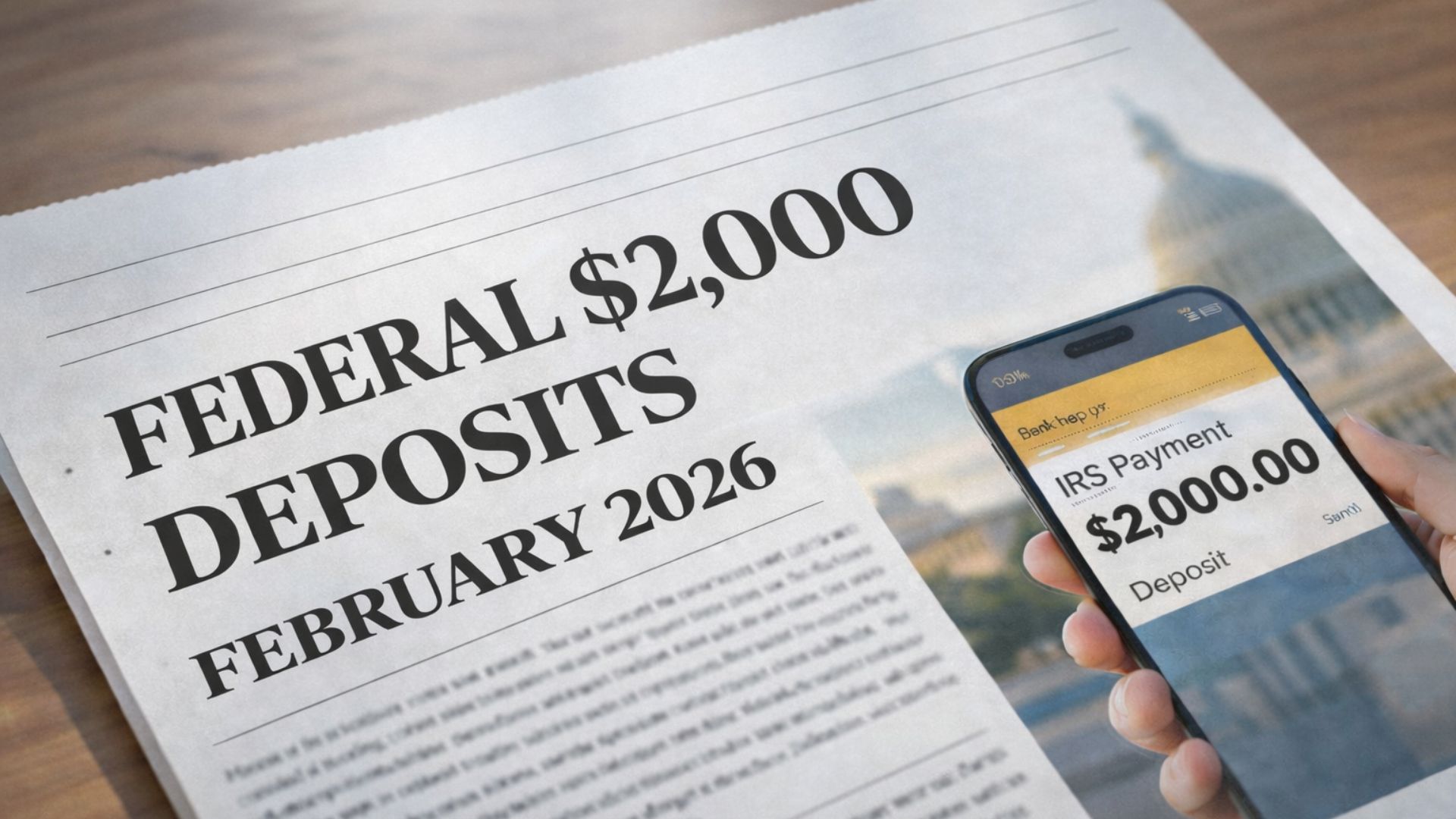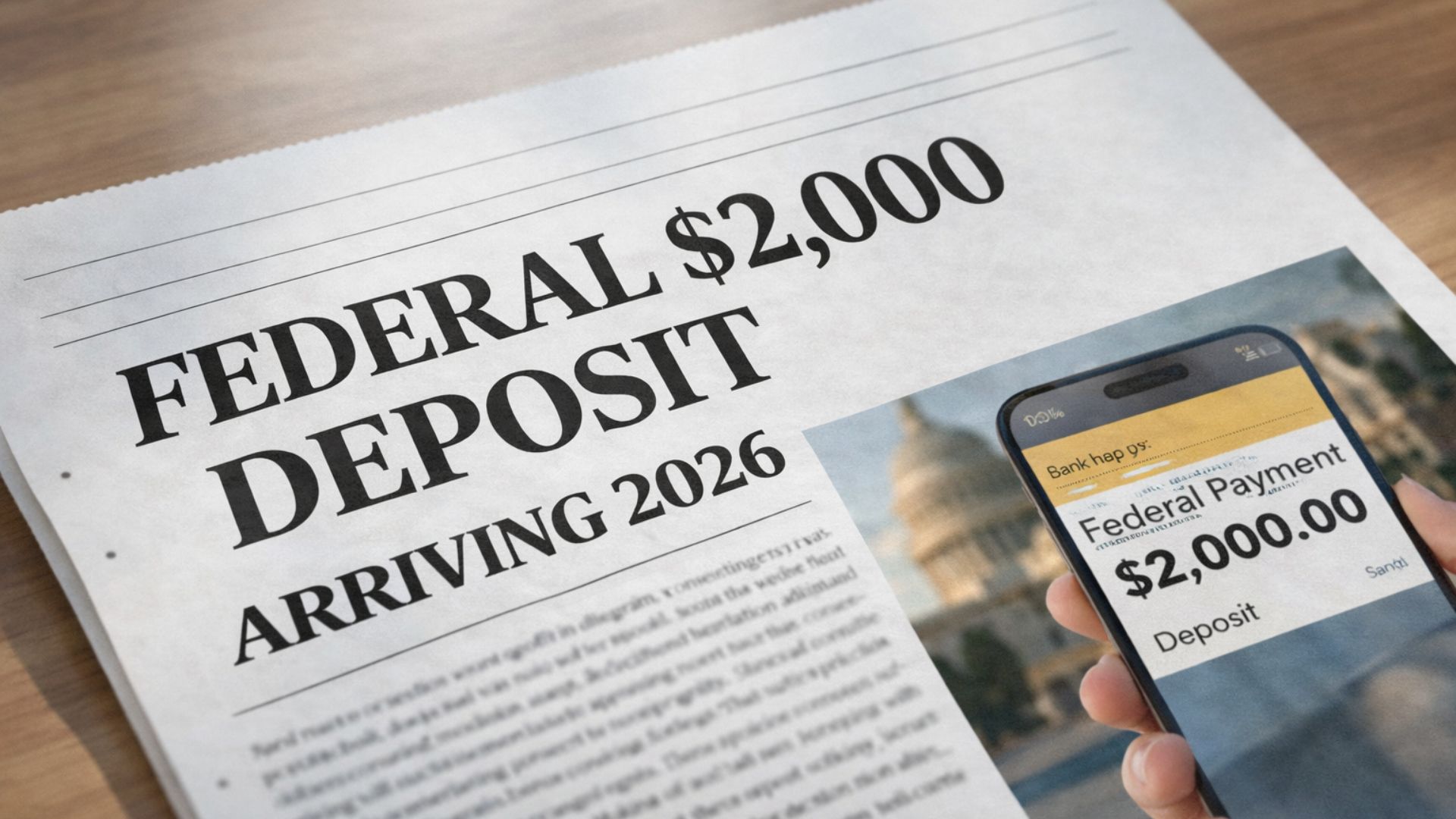
January 2026 has brought renewed attention to a federal $2,000 direct deposit program that follows a defined structure and timeline. With many Americans closely watching their bank accounts at the start of the year, understanding how this program works can help reduce confusion and unnecessary stress. The payment is designed to reach eligible recipients through direct deposit, using existing federal systems, and follows specific verification and banking procedures.
Understanding the Federal $2,000 Direct Deposit Program
The federal $2,000 direct deposit scheduled for January 2026 is aimed at qualified recipients who meet established eligibility criteria. The administration has outlined rules covering who qualifies, how payments are processed, and how banks handle deposits. This payment is not random or automatic for everyone. It is based on records already held by federal agencies, including tax filings and benefit data, which allows the government to send funds efficiently to those who qualify.
Eligibility and Record Verification
Eligibility for the January 2026 payment depends mainly on recent tax returns, Social Security records, and program-specific requirements. In many cases, individuals who have received federal benefits or refunds in the past already have their banking details on file. Federal agencies typically rely on the most recent tax return available, meaning changes in income or filing status in 2025 may influence eligibility for this or similar future programs.

Deposit Schedule and Timing
To avoid overwhelming banks and payment systems, the government has announced a phased deposit schedule. Most eligible recipients are expected to see the $2,000 payment arrive between early and mid-January. The exact date can vary based on how quickly verification is completed and how individual banks process incoming payments. Federal agencies usually publish a detailed release calendar on official websites, which remains the most reliable source for timing updates.
How Banks Process the Deposit
Once the federal payment network sends the deposit, banks process it under Automated Clearing House rules. Some banks post funds the same day they receive them, while others may take one additional business day. This means two people with the same eligibility could see the deposit on different days, depending entirely on their bank’s internal policies.
What to Do If Your Payment Is Delayed
Most delays are temporary and related to verification or bank processing. If a payment does not appear on the expected date, the first step is to confirm your eligibility and payment status through official agency channels. If the payment has been issued, contacting your bank’s ACH or customer support team can often resolve the issue quickly. Keeping notes of dates, reference numbers, and conversations helps speed up any follow-up or trace request.

Staying Prepared and Informed
Being proactive while remaining patient is key. Federal payments are often processed in large batches, and minor delays do not always indicate a problem. Using official agency helplines and your bank’s support services ensures you receive accurate information and avoid misinformation.
Final Thoughts
With clear rules, a phased timeline, and proper preparation, recipients can navigate the January 2026 federal $2,000 direct deposit process with confidence. Staying informed and organized significantly reduces the risk of unnecessary delays.
Disclaimer:
This article is for informational purposes only and does not provide financial, legal, or tax advice. Eligibility rules, timelines, and payment procedures are subject to change based on official government decisions. Readers should rely on official federal agency websites or contact authorized representatives for the most accurate and up-to-date information.