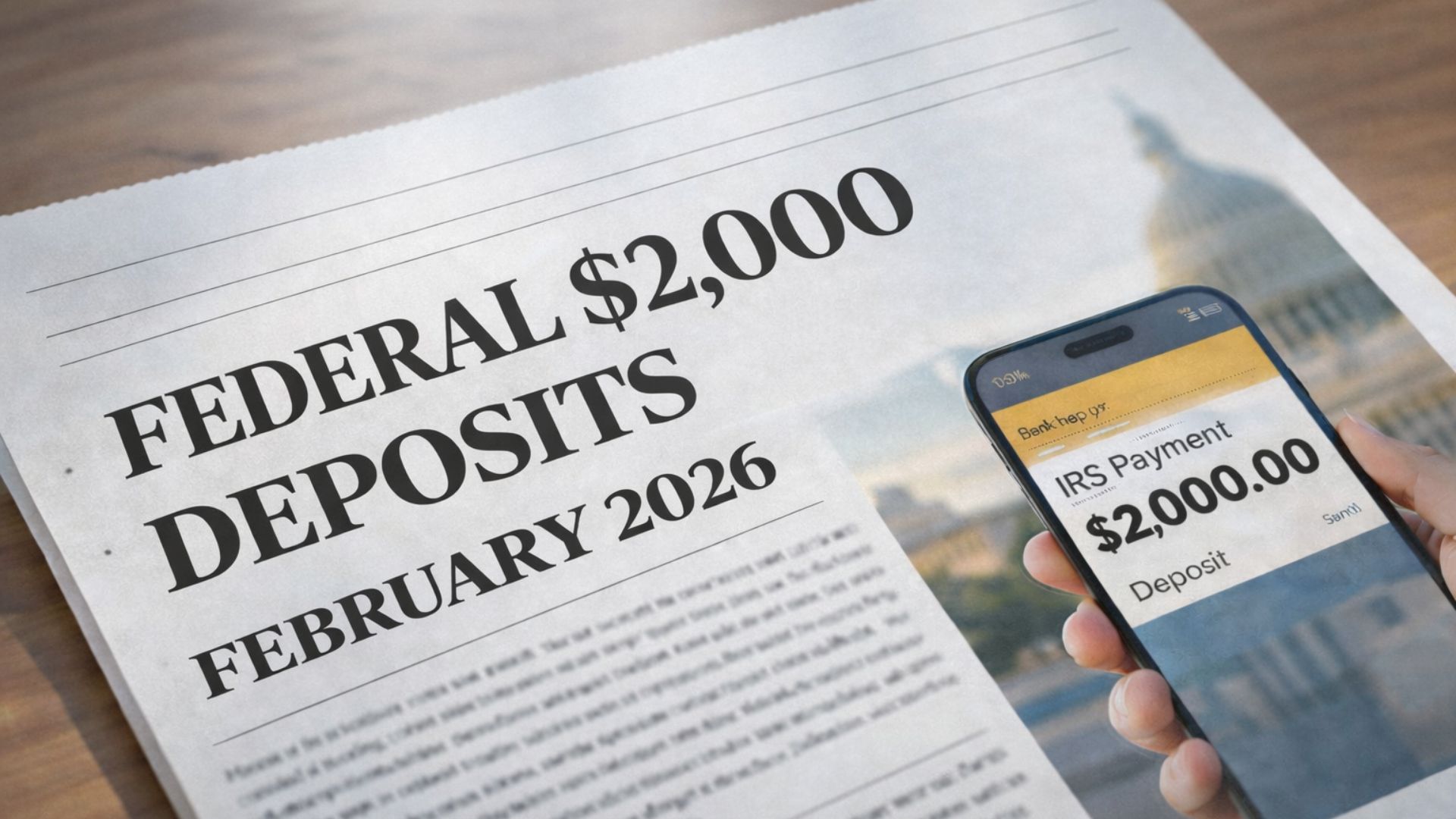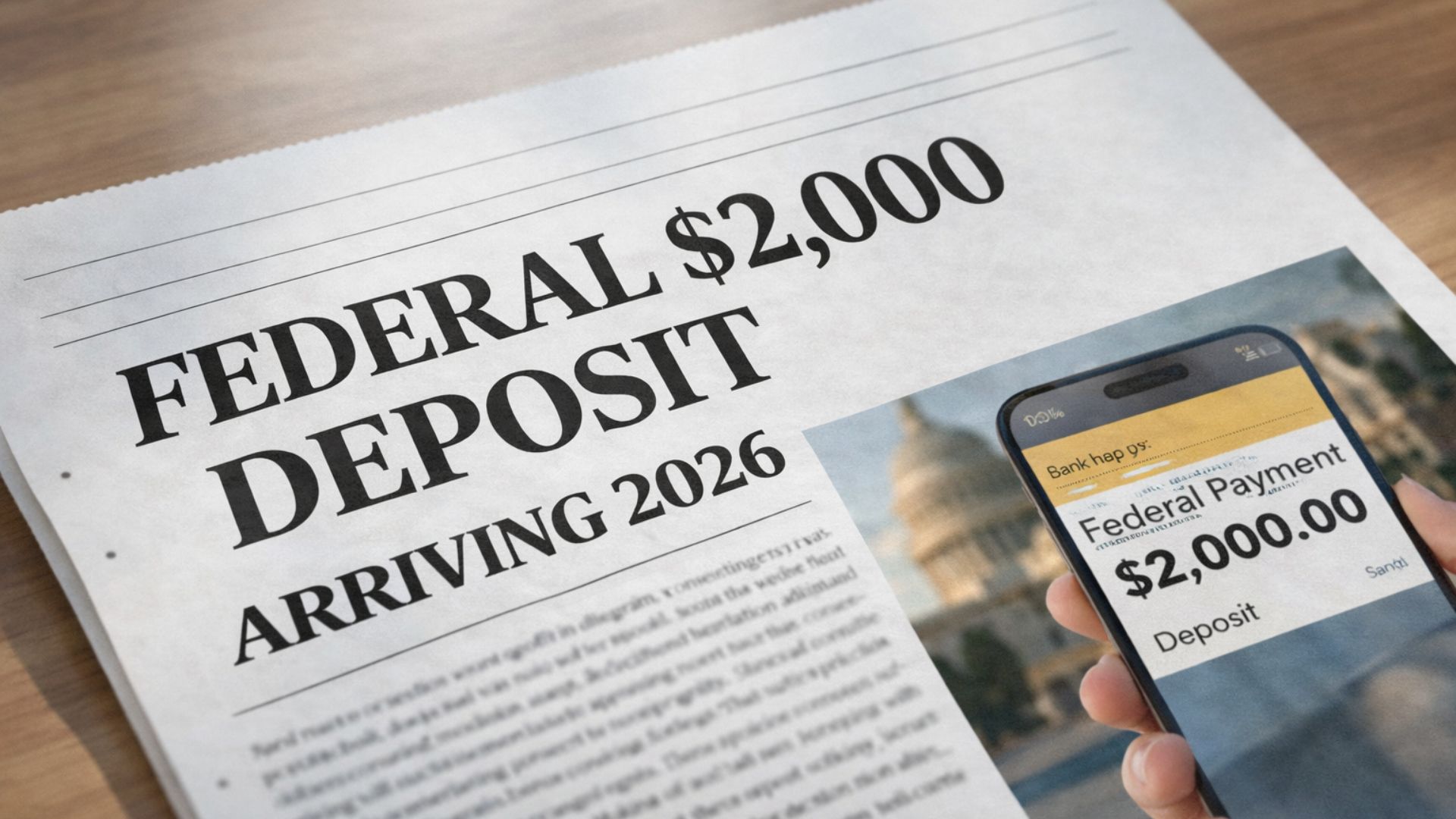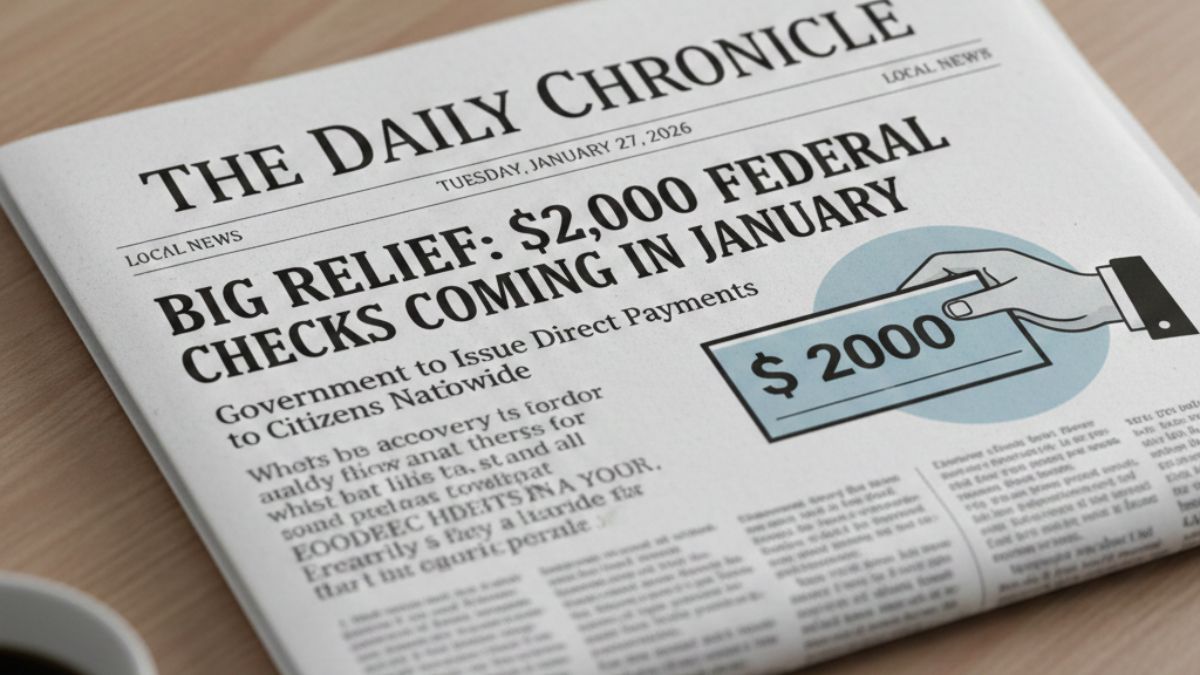
$2000 Federal Checks Coming – Talk of $2,000 federal deposit checks hitting bank accounts in January 2026 has been spreading fast. Social media posts, viral videos, and eye-catching headlines have made it sound like a fresh round of stimulus-style payments is right around the corner. With grocery bills, rent, and everyday expenses still feeling high for many families, it’s no surprise people are paying attention. A surprise $2,000 deposit would make a real difference for a lot of households.
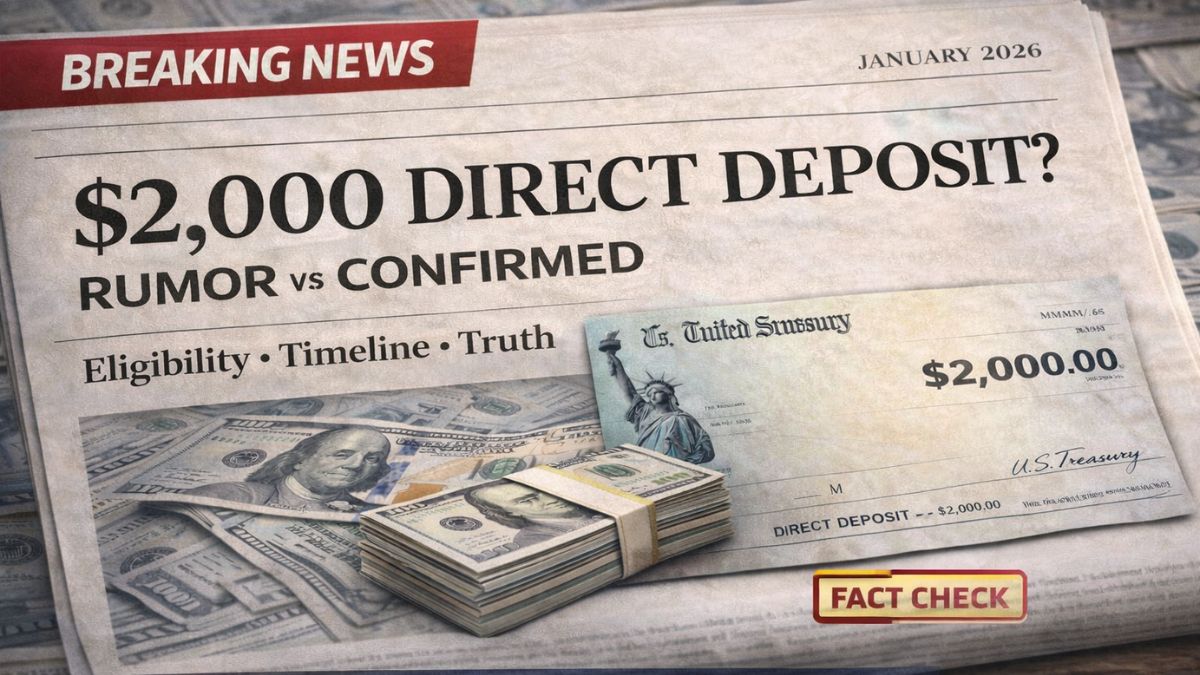
But here’s where things stand: the idea is getting attention, yet it is still just a proposal. Nothing has been officially approved, and no payments are scheduled. Understanding the difference between online buzz and actual federal programs is key to avoiding confusion and disappointment.
The Origin of the $2,000 Federal Deposit Proposal
The idea behind these possible $2,000 payments is tied to tariff revenue. Some policymakers have floated the concept of sending part of the money collected from import tariffs back to Americans in the form of direct payments. Supporters describe it like a dividend, where trade-related income is shared with households. The pitch is simple: if the government collects large sums through tariffs, some of that money could help families dealing with higher living costs.

It sounds similar to pandemic stimulus checks, but the structure would be very different. COVID-era payments were approved through emergency laws and funded in a specific way. This new concept would require its own legislation, its own funding rules, and a detailed system for deciding who gets paid and how much.
Current Status: No Approved Payments as of January 2026
As of now, there are no officially approved $2,000 federal deposit checks. No law has been passed to create this program. The IRS has not released any guidance, and the U.S. Treasury has not announced payment dates, eligibility rules, or delivery methods tied to these rumored deposits.
That means if you have not seen money in your account labeled as a federal stimulus or special payment, you are not missing out on something that has already gone out. Any real nationwide payment program would come with major public announcements, clear instructions, and coverage from official government sources.

Why Funding and Approval Are Big Hurdles
One of the biggest issues is the cost. Sending $2,000 to a large share of U.S. adults would total hundreds of billions of dollars. Even though tariffs bring in money, that revenue is not unlimited and is already used in broader federal budgeting. Redirecting a huge portion of it to direct payments would require lawmakers to agree on how to cover the expense, especially in a time when deficits and spending levels are already major topics in Washington.
There is also legal uncertainty. Tariff policies have faced court challenges in recent years. If tariff rules change or collections drop, the pool of money behind the proposal could shrink. All of this makes quick approval and fast payments unlikely without major political agreement and careful planning.
Who Might Qualify If It Ever Happens
Since no law exists yet, there are no official eligibility rules. Still, discussions around the proposal suggest that payments would probably not be fully universal. Lawmakers often look at income limits when designing direct payment programs. That usually means middle- and lower-income households are more likely to qualify, while higher earners could be phased out.

If a bill were passed, eligibility would likely be based on adjusted gross income from recent tax returns. The IRS could use direct deposit details already on file, just like with past relief payments. But again, this is all speculation based on how previous programs worked, not confirmed policy.
Clearing Up Common Misunderstandings
Some confusion comes from timing. Early in the year, many people receive tax refunds, Social Security payments, or cost-of-living adjustments. When bank balances change, it can be easy to assume a rumored federal payment has arrived. In reality, those routine payments are not connected to any new $2,000 program.
Another issue is misinformation. Posts that claim checks are already approved or that people need to “act fast” to claim money are major red flags. Real federal payments do not require special sign-ups through random links, and they never charge fees to release funds.
Lessons From Past Stimulus Checks
The stimulus checks in 2020 and 2021 set expectations. Those payments moved quickly because Congress had passed emergency laws and agencies were told to act fast. Direct deposit systems were already in place, and the need was urgent.
That experience showed that the government can send money out quickly when the legal and financial pieces are lined up. The key difference now is that this $2,000 idea does not have that same legal foundation or emergency framework behind it. Without that, the process would naturally be slower and more complicated.
Possible Economic Effects if Payments Were Approved
If a $2,000 payment plan ever became real, the impact could be big. Supporters say direct cash helps families cover bills, boosts consumer spending, and supports local businesses. When people have extra money, they often spend it on necessities, which can help the broader economy.

Critics worry about inflation. Large amounts of cash entering the economy at once can increase demand for goods and services. If supply cannot keep up, prices may rise further. That balance between relief and long-term economic stability is a major debate among economists and lawmakers.
What Americans Should Do Right Now
For now, the best move is to treat any talk of $2,000 federal deposits as unconfirmed. Do not build your monthly budget around money that has not been approved. If a payment ever becomes official, it should be viewed as a bonus, not guaranteed income.
It is smart to keep your IRS information up to date. Filing taxes electronically, using direct deposit, and making sure your address and banking details are correct can help with any future federal payments. Just as important is staying alert for scams. Unsolicited calls, texts, or emails promising fast access to government money are almost always fraudulent.
The Bottom Line
The idea of $2,000 federal deposit checks for January 2026 has created a lot of excitement, but right now it remains only a proposal. No law has been passed, no eligibility rules have been finalized, and no payment dates have been set. While the concept continues to be discussed, nothing is guaranteed.
The safest approach is to rely on official government announcements and practice cautious financial planning. In a time when headlines travel fast, separating proposals from real programs can help you avoid false hope and costly mistakes.
Disclaimer
This content is for general informational purposes only and should not be considered financial, tax, or legal advice. Government benefit programs, payment amounts, eligibility rules, and timelines can change based on new legislation or policy decisions. Always verify details through official government sources or consult a qualified professional before making financial decisions based on potential federal payments or online information.