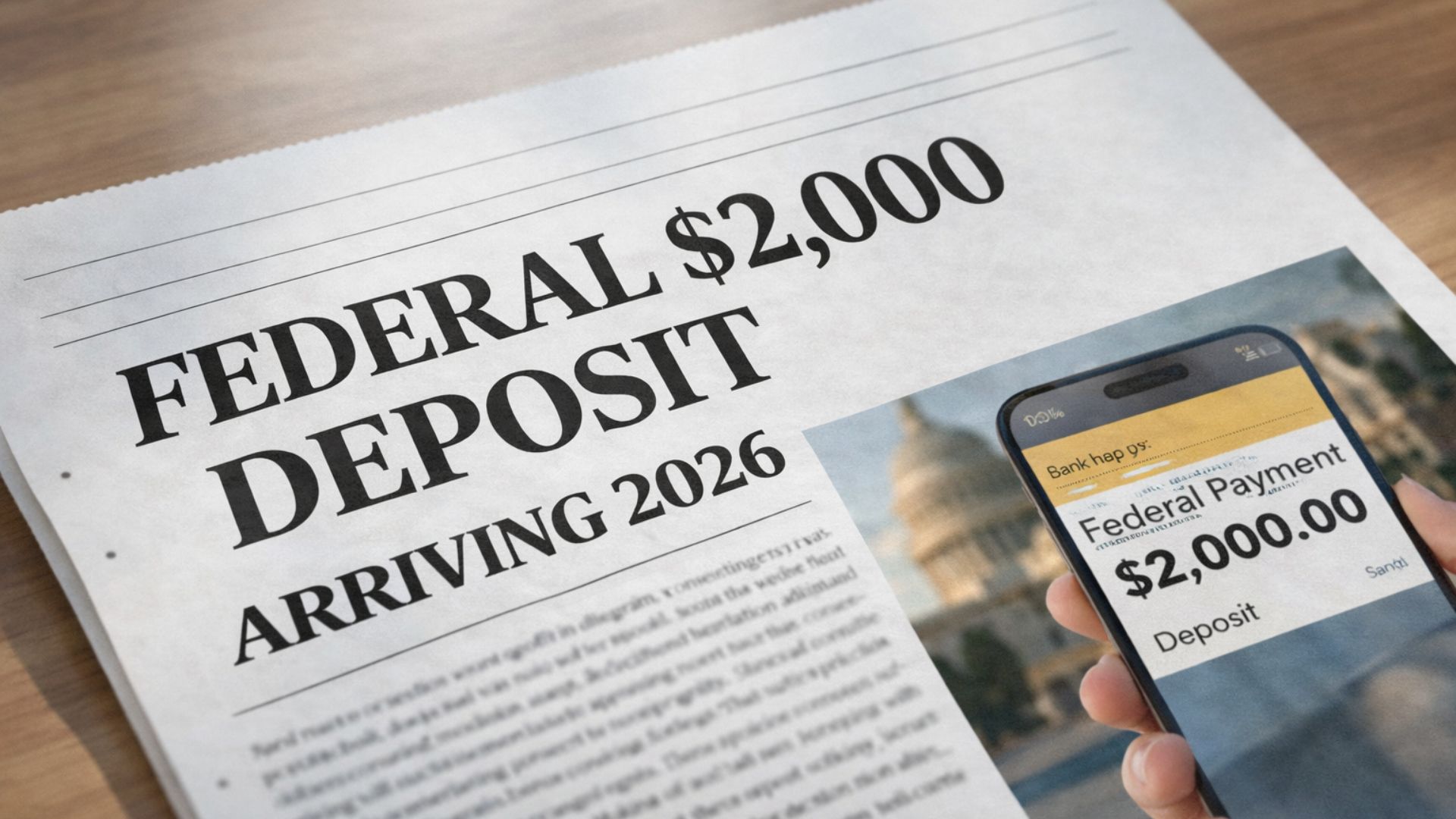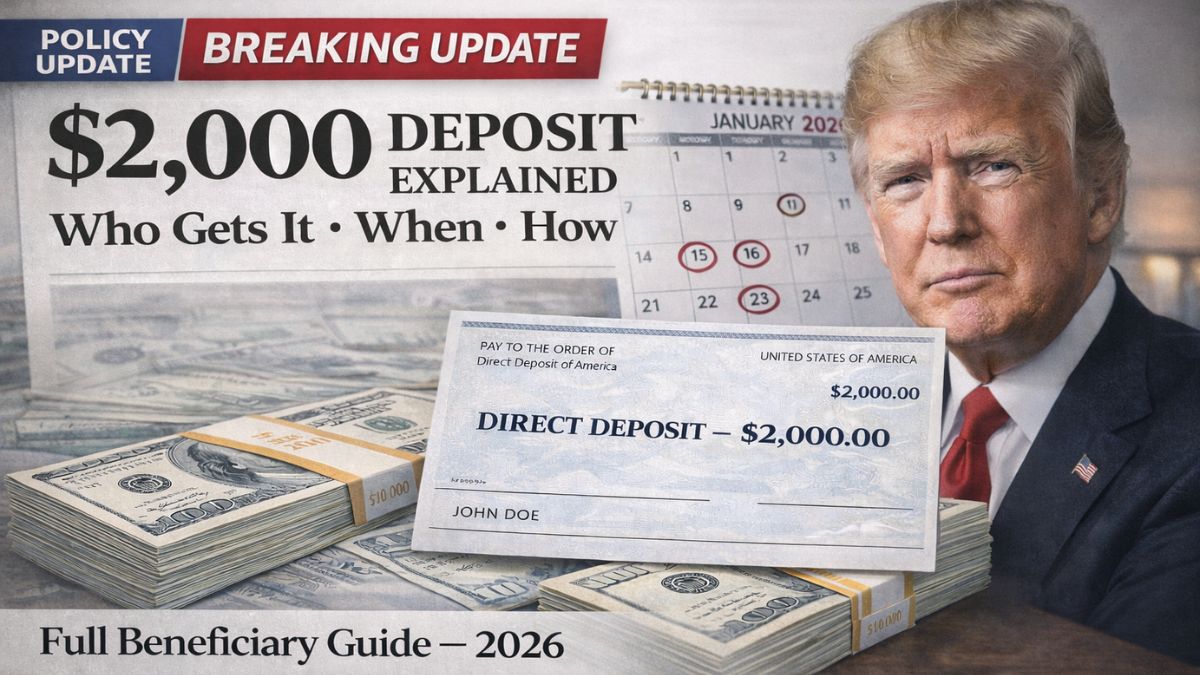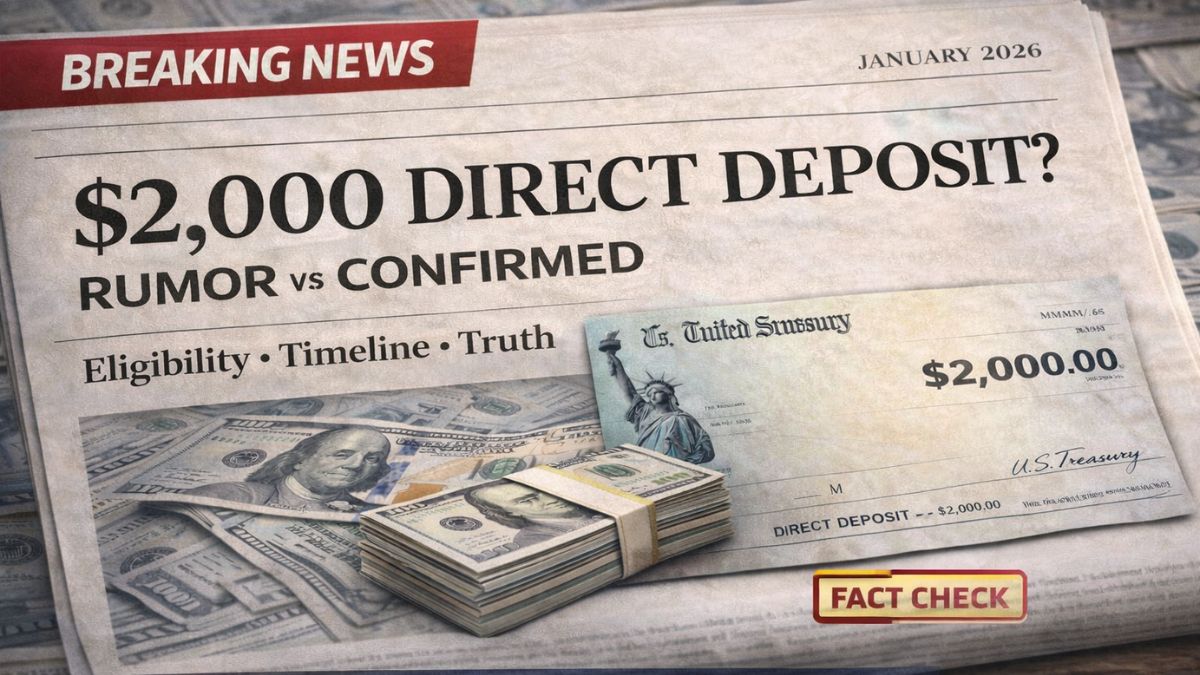
As January 2026 gets closer, social media platforms and online forums are filled with claims about a $2,000 federal deposit for Americans. Many posts suggest that the government has approved a payment for everyone to help manage rising costs like rent, groceries, and medical bills. Because financial pressure is real for many households, these messages spread quickly and create hope. However, the reality behind these claims is far more limited than what is being shared online.
Where the $2,000 Figure Comes From
The idea of a $2,000 payment mainly comes from memories of pandemic-era stimulus checks. During COVID-19, the federal government used direct deposits to send relief money quickly to millions of people. That experience shaped expectations. Over time, old policy discussions, proposals, or speeches are reposted without context. When these outdated or incomplete details circulate online, they are often mistaken for new approvals, even though no new law exists.
No Official Approval or Federal Confirmation
At this time, there is no confirmation from Congress, the IRS, or the U.S. Treasury about a universal $2,000 federal deposit in January 2026. No legislation has been passed, and no funding has been approved for such a program. When genuine federal payments are created, they are announced publicly with clear rules, eligibility details, and timelines. None of those steps have happened for the January 2026 claim, which strongly indicates the payment is not real.

Why Some People May See Similar Deposits
Even without a new stimulus program, some Americans may still receive deposits close to $2,000 early in the year. These are usually normal tax refunds, tax credits, or other routine payments. Certain groups, such as veterans, military families, or federal employees, may receive back pay or specific benefit-related deposits. These payments are legitimate but are not meant for the general public. Online posts often ignore this difference, leading many to believe a nationwide payment exists.
Scams and Safety Concerns
Whenever rumors of large federal payments spread, scams increase. Fraudsters may send emails, texts, or calls asking for bank details, Social Security numbers, or fees to release money. Federal agencies never ask for personal information or payment to issue benefits. Any such request should be considered suspicious and avoided.
What to Expect Going Forward
If future federal relief is approved, it will be announced clearly through official government channels. Experts believe any support is more likely to come as targeted tax credits or benefit adjustments rather than a universal payment. For now, relying on official sources is the safest way to stay informed.

Disclaimer
This article is for informational purposes only and does not provide financial, legal, or tax advice. Federal payment programs and benefit rules can change at any time. Readers should verify information through official government websites or consult qualified professionals for advice related to their individual situation.