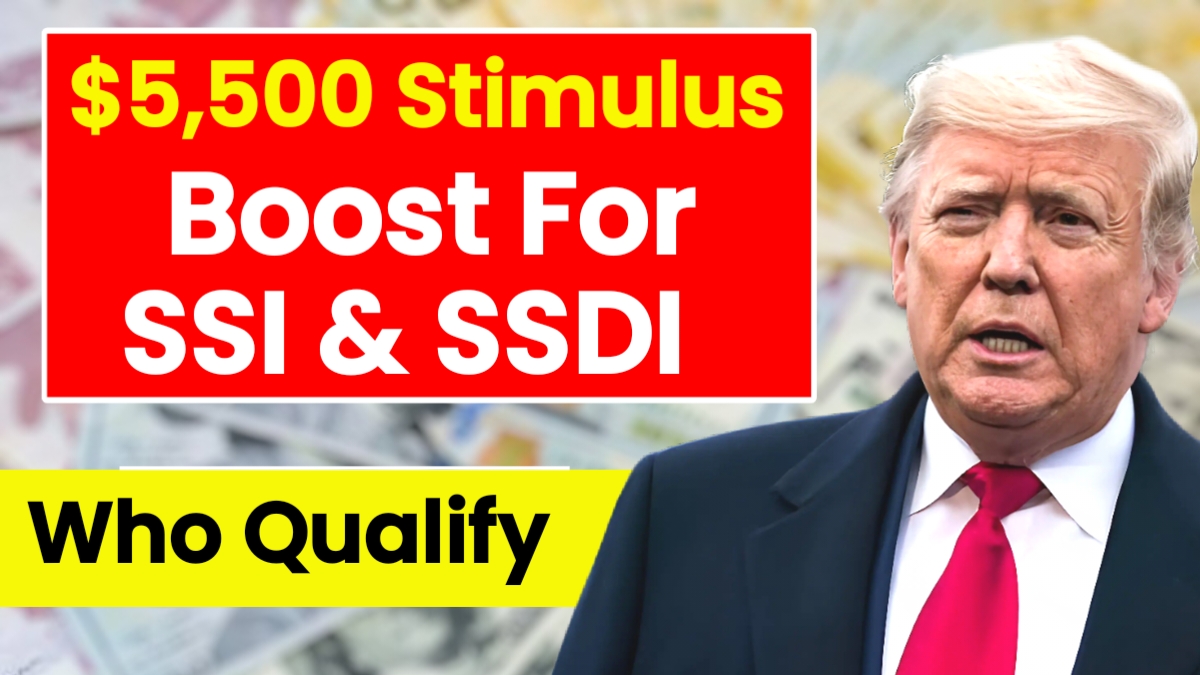
5,500 Stimulus Boost: Discussions around a possible 5,500 stimulus boost for SSI and SSDI recipients have gained attention in recent weeks, especially among people who rely on Social Security benefits for daily living expenses. The idea has surfaced through policy proposals, advocacy discussions, and media reports focusing on additional financial relief for vulnerable groups. While no final decision has been made, the topic matters because millions of Americans on fixed incomes are facing rising costs for housing, food, and healthcare.
The proposed stimulus boost is not an automatic or confirmed payment. Instead, it represents a potential one-time financial support measure that would need approval from Congress and implementation by federal agencies. For SSI and SSDI recipients, even a single large payment could make a meaningful difference by helping clear overdue bills or cover essential needs. Understanding what is being discussed, who might qualify, and how payments could work helps recipients stay informed and prepared. This article explains the situation in simple terms, using currently available information, without speculation or exaggerated claims.
Understanding SSI and SSDI Eligibility Basics
Supplemental Security Income (SSI) and Social Security Disability Insurance (SSDI) are separate federal programs, and eligibility for any stimulus boost would likely follow existing benefit rules. SSI is a needs-based program designed for people with limited income and resources, including seniors and individuals with disabilities. Asset and income limits are strict, and eligibility is reviewed regularly by the SSA.
Other delivery methods could include paper checks mailed to the address registered with the SSA or deposits to Direct Express debit cards. Using established systems reduces administrative delays and ensures payments reach recipients without requiring a separate application. This approach has been used in previous stimulus programs and is generally considered efficient for reaching large numbers of beneficiaries.

Expected Timeline If a Proposal Is Approved
The timing of any 5,500 stimulus boost would depend on several factors, starting with congressional approval. Passing a bill can take weeks or even months, depending on political negotiations and budget considerations. Once approved, agencies such as the SSA and IRS would need time to prepare systems, verify eligibility, and schedule payments.
Based on past stimulus programs, recipients might begin seeing payments one to three months after funding is authorized. Distribution is often done in phases to manage processing volumes. While this timeline is only an estimate, it reflects realistic expectations drawn from previous federal relief efforts. Delays are possible, especially if eligibility rules are complex.
How Recipients Can Prepare in Advance
Preparation is important even when a stimulus payment is not yet confirmed. SSI and SSDI recipients should ensure their personal information with the SSA is accurate and up to date. This includes mailing addresses, bank account details, and Direct Express card information. Errors in these records are a common cause of delayed or missed payments.

It is also wise to monitor official announcements rather than relying on social media posts or forwarded messages. The government does not require fees or personal calls to release stimulus payments. Being informed and cautious helps recipients avoid scams and ensures that, if a payment is approved, it arrives smoothly and without unnecessary stress.
Potential Limits, Exceptions, and Adjustments
Not all recipients may qualify for the full amount if a stimulus boost is approved. Some proposals include income-based reductions or exclusions to focus aid on the most financially vulnerable households. SSI recipients with additional income sources, for example, could face adjusted amounts depending on final rules.
Other factors, such as residency status or overlapping federal assistance, might also influence eligibility. In some cases, people with representative payees may require additional verification before funds are released. These exceptions are usually clarified in official guidance, highlighting why it is important to wait for confirmed details rather than assuming universal eligibility.

Disclaimer
This article is for informational purposes only. The 5,500 stimulus boost for SSI and SSDI recipients discussed here is based on proposals and public discussions, not confirmed government action. Readers should verify information through official SSA or IRS sources before making financial decisions.