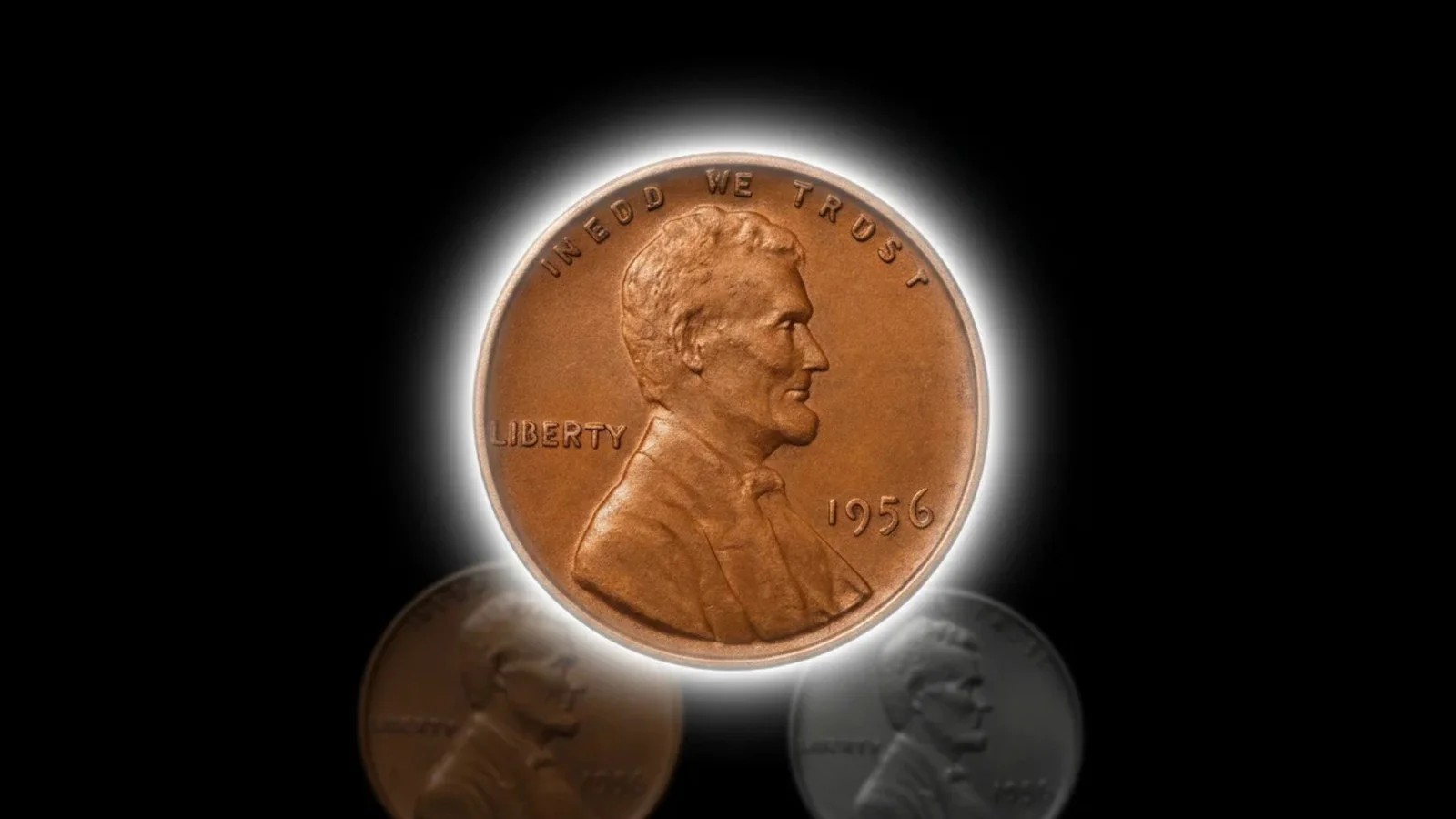
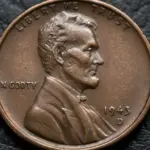
Many people once ignored old wheat pennies lying in jars or drawers, assuming they were worth only a few cents. Over the last decade, that thinking has changed dramatically. Lincoln Wheat Cents, minted from 1909 to 1958, have gained strong attention from collectors. Between 2015 and 2025, interest driven by online auctions, social media, and younger collectors pushed values higher, especially for rare dates and high-quality coins. What was once spare change has become a serious collectible market.
Why Wheat Penny Values Increased After 2015
Wheat penny prices rose due to a mix of nostalgia and market access. Online platforms made buying and selling easier, while professional grading increased buyer confidence. Copper prices also created a base value, but collector demand mattered more. During the pandemic years, coin collecting grew as a hobby, leading to higher auction prices. International buyers added further demand, helping prices stay strong through 2025.
Condition Plays the Biggest Role in Value
Not every wheat penny is valuable. Condition is the key factor. Coins with heavy wear usually remain low-priced, while sharply struck pieces with original red color can be worth many times more. Certified coins graded by professional services often sell for 30 to 100 percent more than raw coins. Even common dates from the 1940s and 1950s doubled or tripled in value when found in excellent condition.
Key Dates and Famous Error Coins
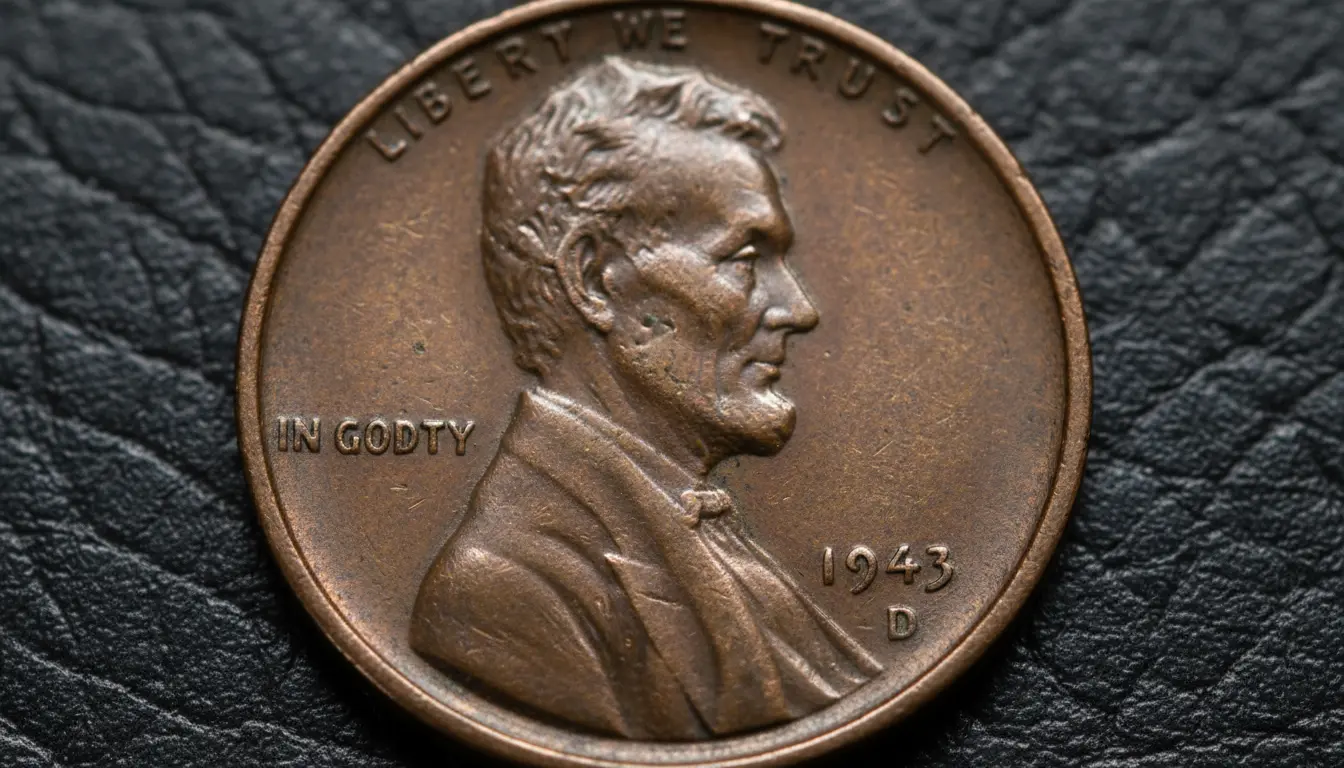
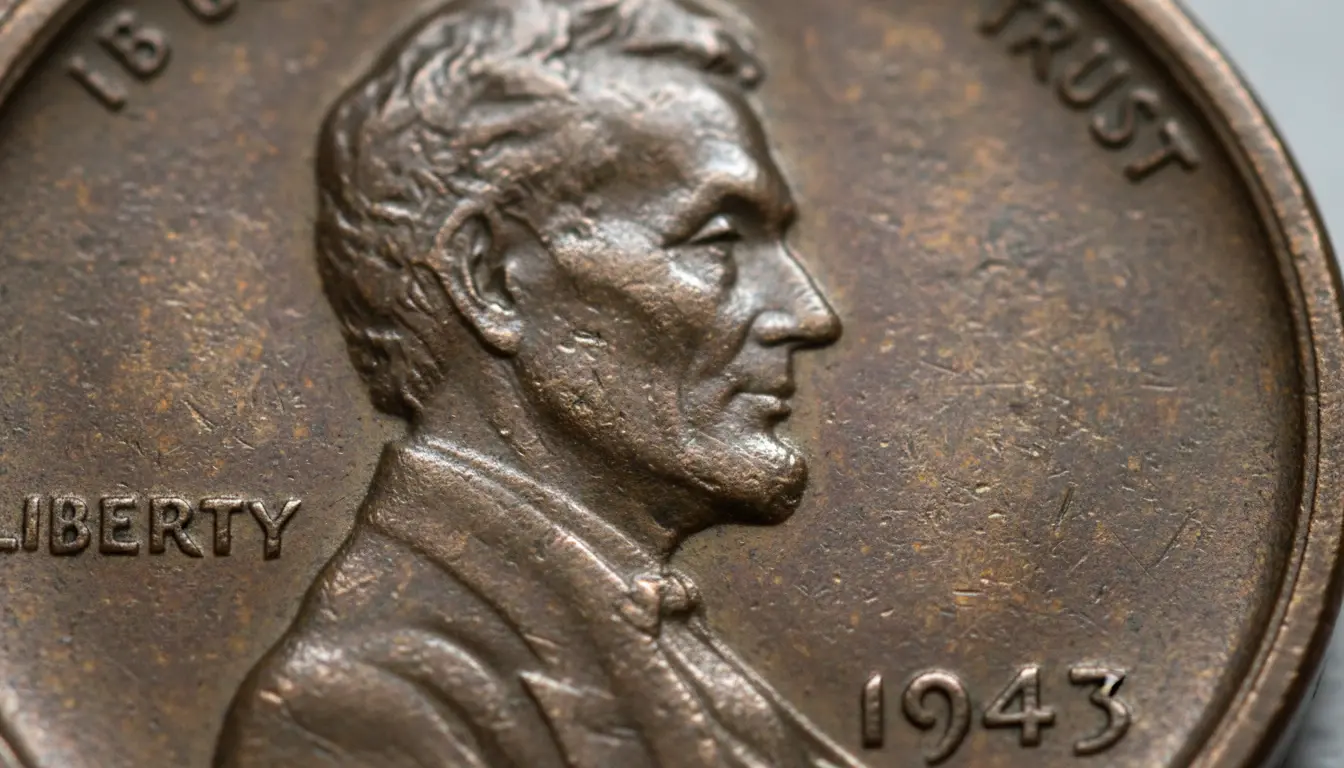
Some wheat pennies stand far above the rest. Coins like the 1909-S VDB and 1914-D have always been desirable, but their prices surged further over the past decade. Error coins created by mint mistakes gained even more attention. Rare bronze pennies accidentally struck in 1943 sold for hundreds of thousands of dollars, while dramatic doubled-die coins reached six-figure prices. These examples show how rarity and history combine to create extreme value.
Trends Between Common and Rare Wheat Pennies
From 2015 to 2025, common uncirculated wheat pennies increased from around ten cents to as much as fifty cents. Semi-key dates from the 1930s rose into the ten to twenty dollar range. Truly rare coins experienced even stronger growth, with some doubling in price after certification. Overall, the market rewarded quality far more than quantity.
How to Check Old Wheat Pennies Today
Collectors searching for valuable wheat pennies should look closely at dates, mint marks, and unusual details. A simple magnifier can help spot doubling or missing marks. Coins should never be cleaned, as cleaning can reduce value sharply. Submitting promising finds for professional grading is often the safest path to determining real worth.
Why Wheat Pennies Still Attract Collectors
Beyond money, wheat pennies offer a connection to American history. They reflect wartime metal changes and early Lincoln designs. As of 2025, collector interest remains strong, and many believe quality coins will continue to perform well in the future.
Conclusion
Over the past ten years, wheat pennies moved from overlooked coins to respected collectibles. While most remain affordable, a few rare examples have proven that small cents can carry big value. Careful checking and patience remain the best tools for anyone hoping to benefit from this lasting trend.
Disclaimer
This article is for general informational purposes only. Coin values change based on market conditions, grading, and demand. Prices mentioned are based on historical trends and reported sales and are not guaranteed. Always consult professional grading services or experienced dealers before buying or selling collectible coins.