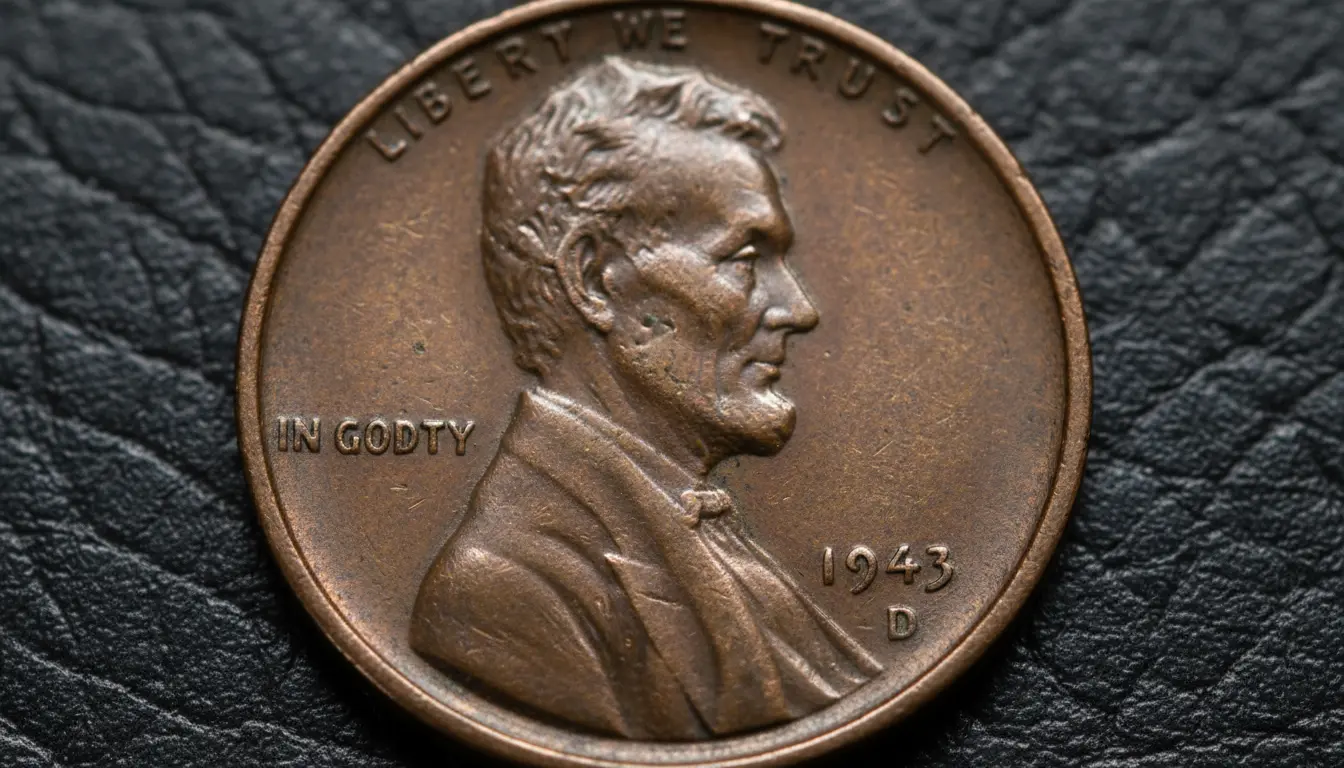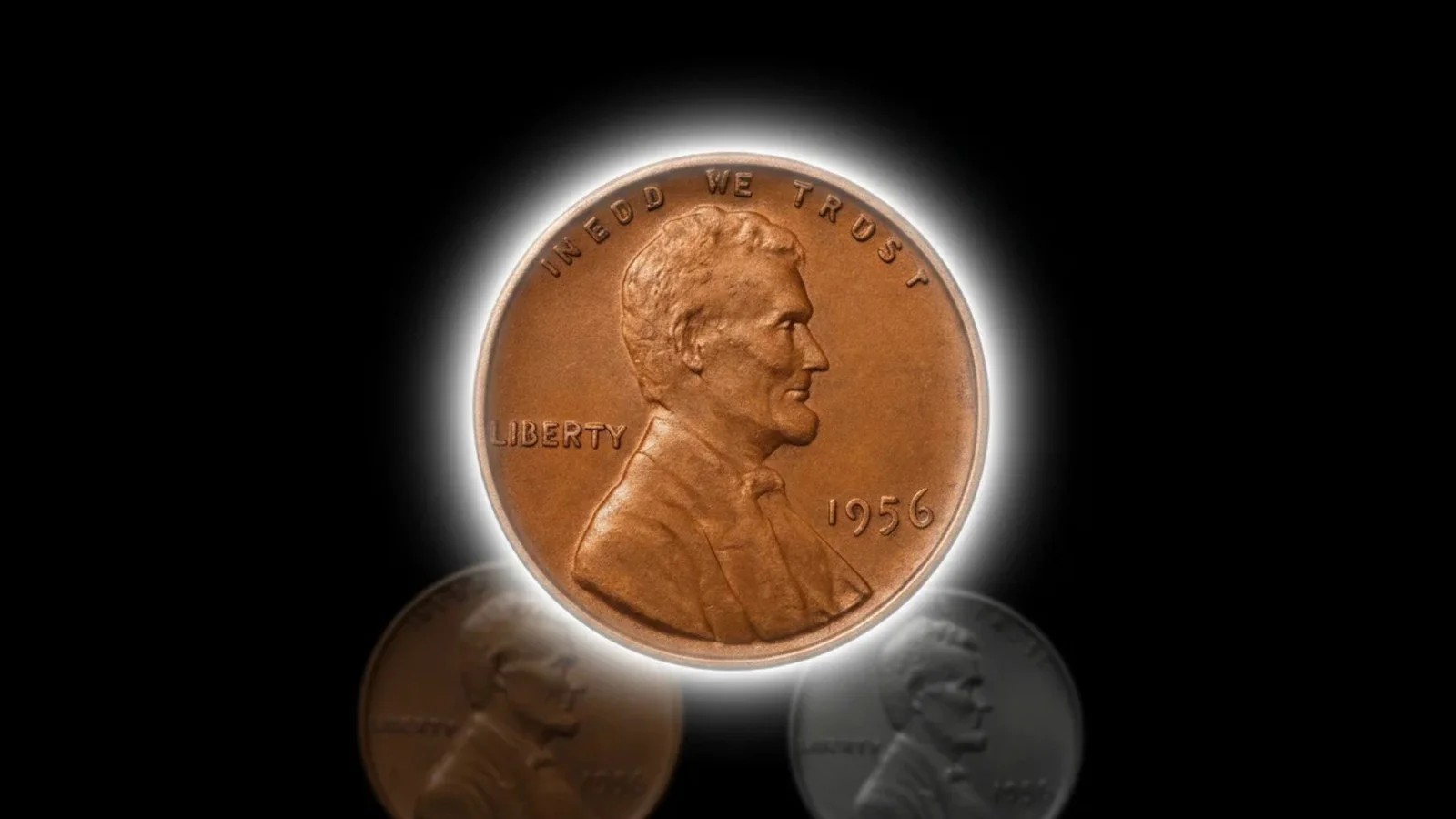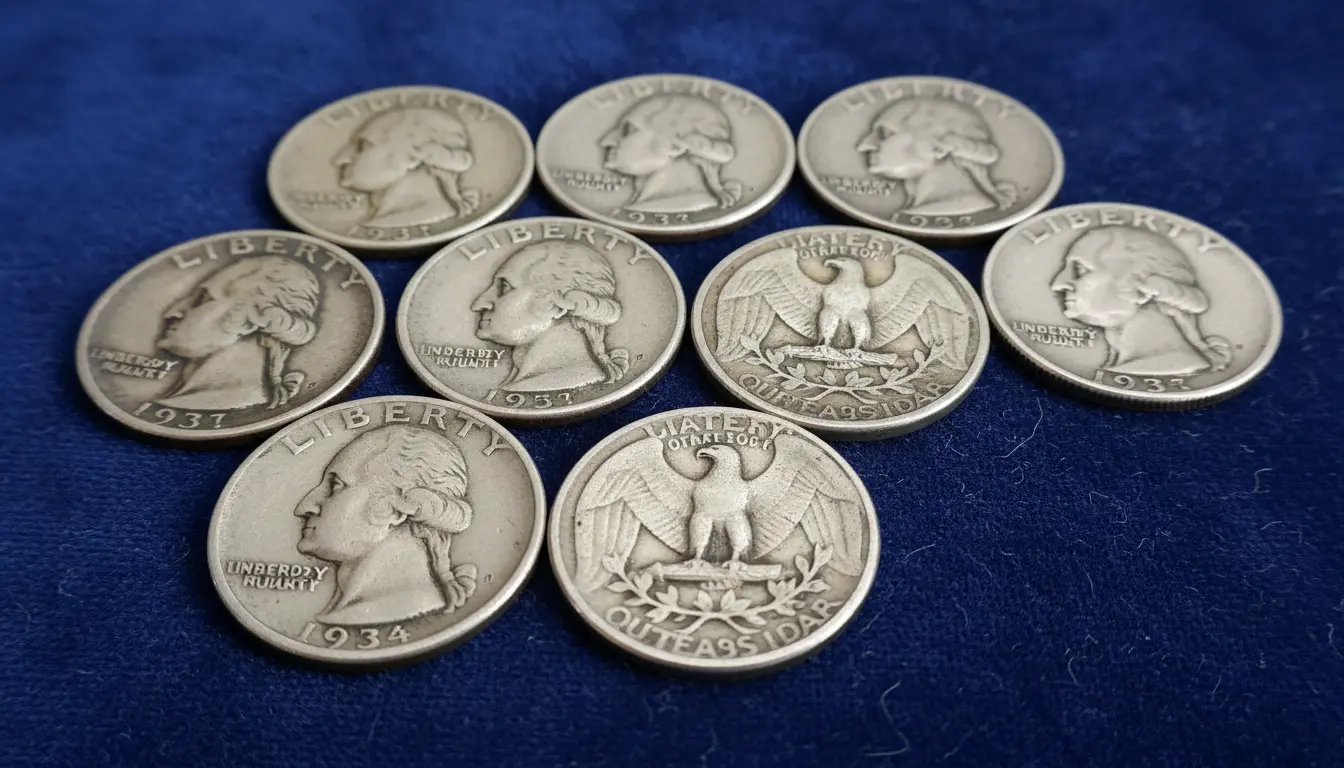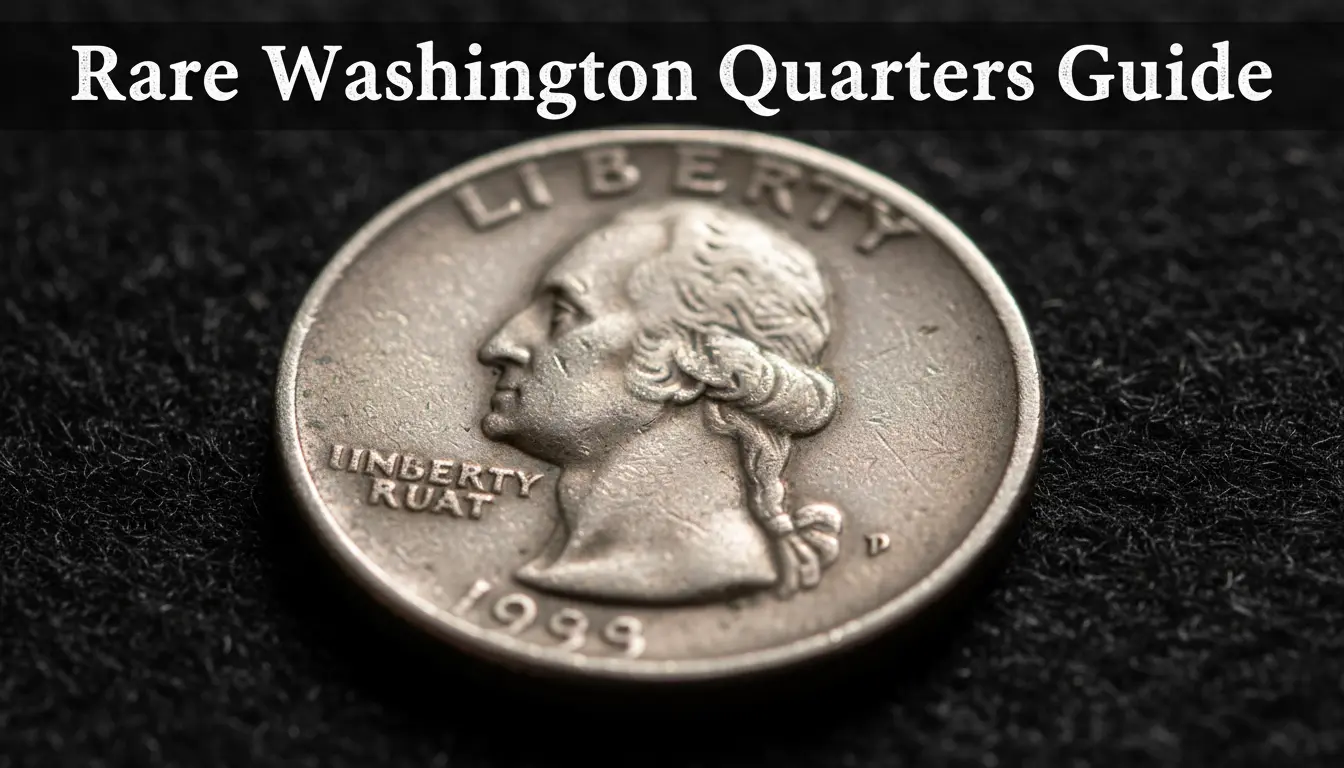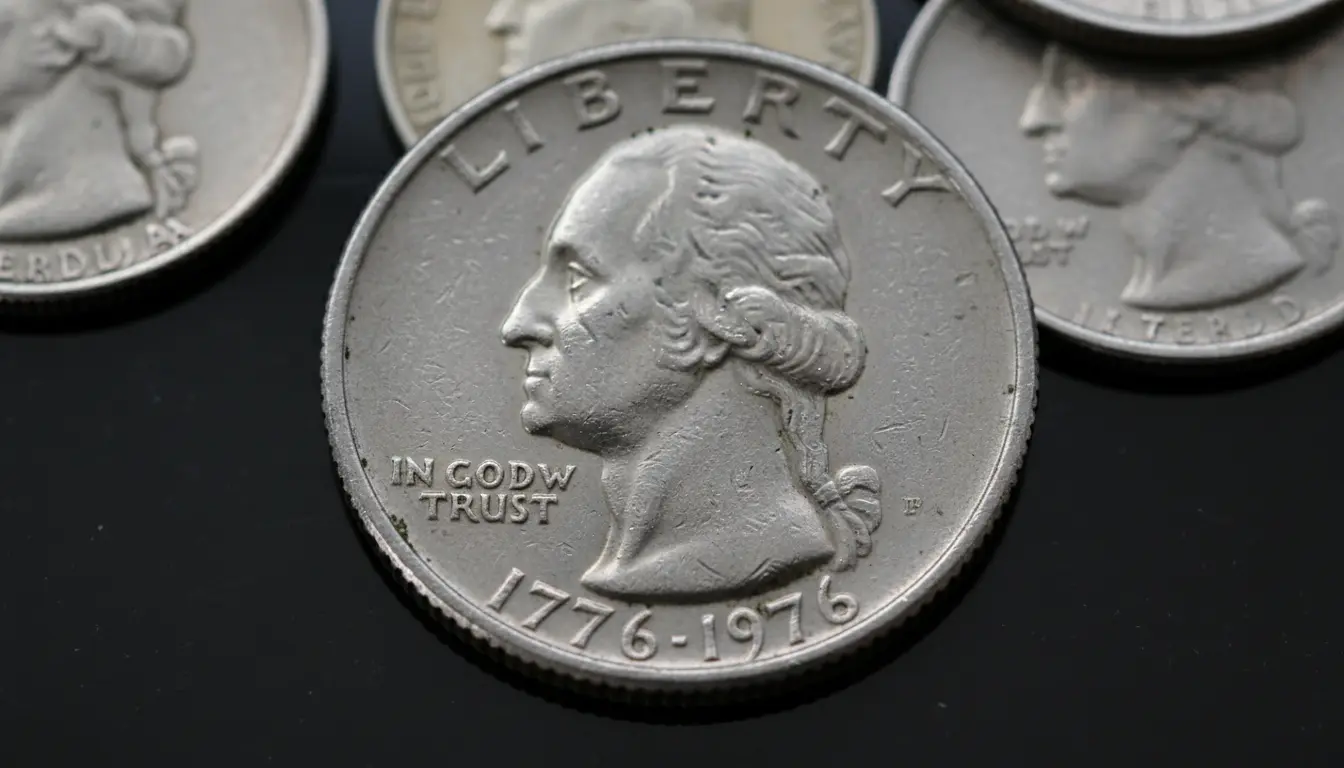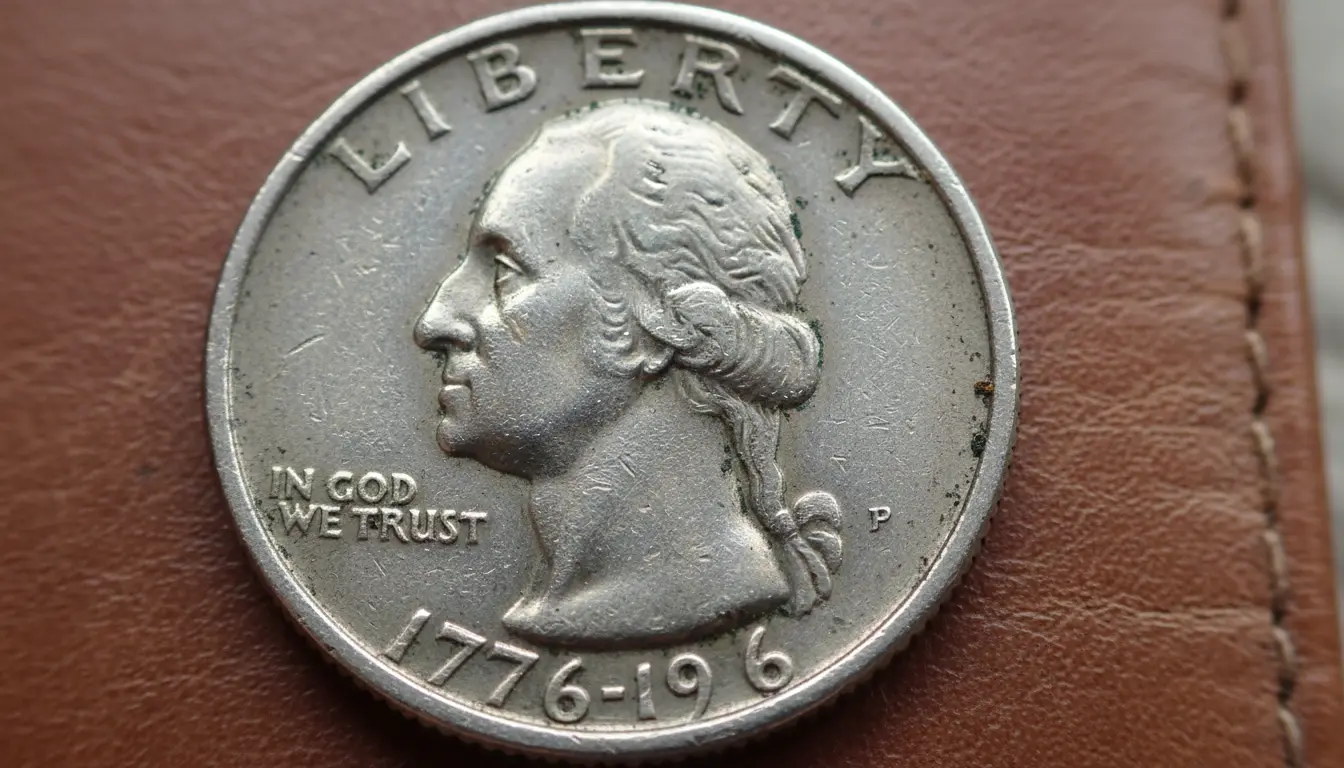
The 1976 Drummer Boy Quarter is one of the most recognizable coins in American history. It was issued to honor the 200th anniversary of the United States and features a colonial drummer on the reverse side. Millions of these quarters were produced, and most people have seen or handled one at some point. Because of this large production, many collectors assume the coin has little value. However, one extraordinary example shocked the coin world by selling for an incredible $450,000, proving that not all Drummer Boy quarters are the same.
Why the Bicentennial Quarter Was Made
The Drummer Boy design was created to celebrate the United States Bicentennial in 1976. Instead of the usual eagle design, the U.S. Mint introduced a special reverse to mark 200 years of independence. These quarters were struck at multiple mints and released into everyday circulation, making them easy to find even decades later. This wide availability is why most examples are considered common and carry only face value or a small premium.
What Makes One Example Extremely Valuable
A 1976 quarter reaching a six-figure price is not about age alone. Extreme value usually comes from rarity created by unusual circumstances. In this case, experts point to a combination of factors such as a rare mint error, an unusual production feature, or a coin that differs clearly from standard issues. When such traits are verified and documented, collectors are willing to pay far more than normal market prices.
The Role of Condition and Grading
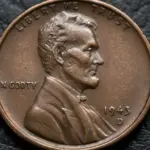
Condition plays a major role in modern coin values. A quarter preserved in nearly perfect condition, with sharp details, original luster, and minimal marks, is far harder to find than a worn circulation piece. Coins graded at the very top of the scale are especially rare when the original mintage was massive. Professional certification confirms that condition and builds trust among buyers.
Certification and Collector Confidence
High-value coins are almost always certified by respected grading services. Certification confirms authenticity, identifies specific errors or special characteristics, and protects the coin. This process gives buyers confidence and often leads to aggressive bidding when a rare piece appears at a major auction.
Provenance and Auction Influence
Another factor behind record prices is provenance. If a coin comes from a well-known collection or has a documented history, it gains prestige. Placement in a respected auction house also attracts serious collectors who compete for standout pieces, driving prices much higher.
How to Approach a Possible Rare Find
Anyone who believes they may own a special Drummer Boy Quarter should move carefully. Many marks or irregularities are caused by damage after the coin left the mint. Rushing to clean or sell a coin without expert review can permanently reduce its value. Professional evaluation is essential.
Final Thoughts on the $450,000 Sale
The sale of a 1976 Drummer Boy Quarter for $450,000 shows how multiple rarity factors can combine to create extraordinary value. While most examples remain common, a small number stand apart due to errors, condition, and history. Careful verification is the key to discovering whether a familiar coin could be something far more valuable.
Disclaimer
This article is for general informational purposes only. Coin values can change based on market demand, condition, and expert evaluation. Always consult a qualified numismatist or professional grading service before making buying or selling decisions.