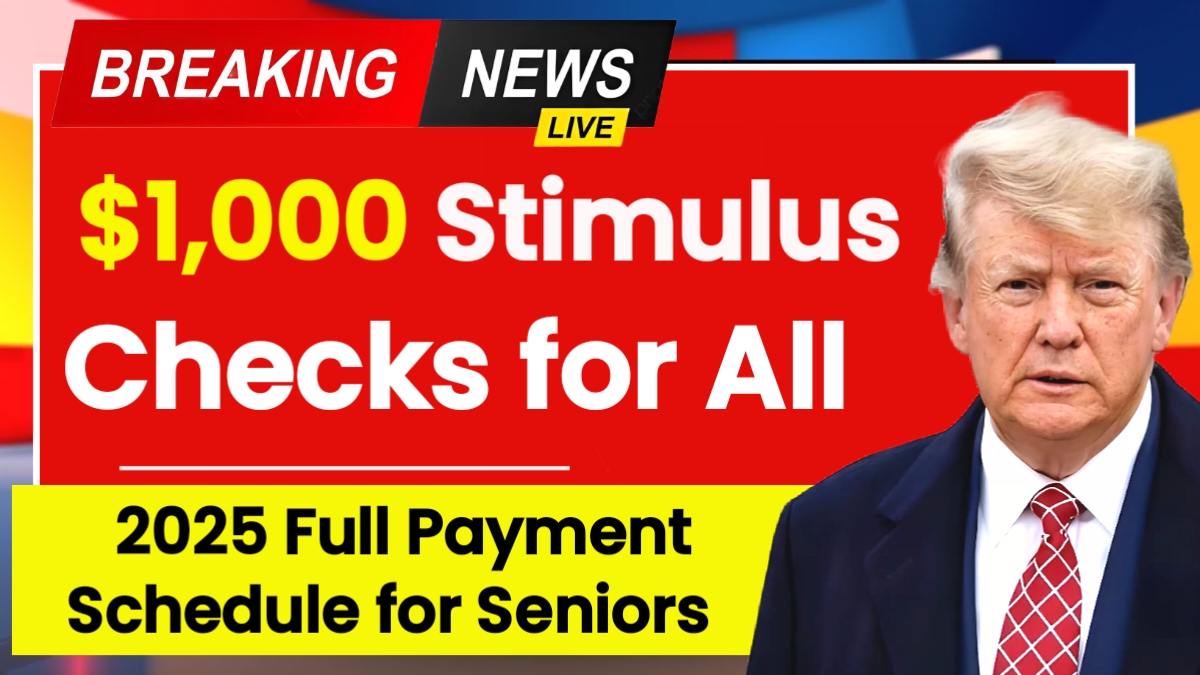
$1,000 Stimulus Checks for All: The start of 2025 is bringing welcome relief for millions of senior citizens across the United States. Over the past few years, rising inflation has increased the cost of rent, groceries, medicine, and healthcare. For seniors living on fixed incomes, these rising costs have made everyday life more difficult. To help ease this pressure, the government has announced a special one-time $1,000 stimulus check for eligible seniors.
This financial support is designed for older Americans who depend mainly on Social Security, SSI, SSDI, or Veterans benefits. The payment is meant to help seniors manage essential expenses and reduce financial stress. It reflects an effort to support dignity and stability for those who have limited income flexibility.
Understanding the Purpose of the $1,000 Stimulus
The main purpose of the $1,000 stimulus payment is to help seniors meet their basic needs. Many older adults rely on monthly benefits that do not always increase at the same pace as living costs. Even small price increases can disrupt tight budgets. This payment provides temporary relief during a time of ongoing financial strain.

Government officials have emphasized that this assistance is meant to give seniors breathing room. It allows them to handle necessary expenses without sacrificing health or comfort. The payment is meant to support independence rather than create dependency.
A One-Time Payment With No Repayment Required
This $1,000 payment is not a loan and does not need to be repaid. It is also not a tax advance or credit that will reduce future benefits. Seniors can receive this money without worrying about deductions from Social Security or Veterans payments later on.
Because it is a one-time financial assistance payment, seniors are free to use the money as they see fit. There are no conditions attached, making the payment flexible and practical for real-world needs.
यह भी पढ़े:
 $2,000 Federal Deposit Arriving in December 2025: Full Eligibility, Rules and Key Deadlines
How Seniors Can Use the $1,000 Payment
Seniors may use the stimulus payment for everyday necessities that have become more expensive. Many are expected to spend the money on groceries, household supplies, or utility bills such as electricity and heating. Medical costs, including doctor visits and prescription medications, are also common expenses.
Others may apply the payment toward rent, small home repairs, or transportation needs. Emergencies often arise unexpectedly, and this support can help seniors avoid financial hardship. The freedom to decide how the money is used makes this program especially helpful.
Automatic and Secure Payment Process
One of the most important features of this program is its automatic payment system. Most seniors will not need to apply or complete additional paperwork. If a senior already receives Social Security or Veterans benefits through direct deposit, the $1,000 will be sent to the same bank account.

Direct deposit ensures faster delivery and reduces the risk of lost or stolen checks. Seniors do not need to visit banks or post offices, which adds convenience and safety. This system is designed to make the process as simple as possible.
Paper Checks for Seniors Without Direct Deposit
For seniors who do not have direct deposit set up, the government will issue paper checks. These checks will be mailed to the address already on file with the Social Security Administration or the IRS. This ensures that seniors without bank accounts are still included.
It is important for seniors to keep their mailing address updated. Incorrect or outdated information could delay the payment. Ensuring accurate records helps avoid unnecessary complications.
यह भी पढ़े:
 IRS Approves $2,000 Direct Deposit for December 2025 – Eligibility, Payment Dates & Full Claim Guide
Payment Timeline and Phased Distribution
The government has confirmed that payments will be distributed in phases during early 2025. While most seniors are expected to receive their payment by March 2025, some distributions may occur earlier depending on processing schedules. Phased distribution helps manage payment systems efficiently.
Although the goal is timely delivery, minor delays may occur due to banking processes, holidays, or address verification issues. Seniors are encouraged to remain patient and monitor their accounts or mail.
Who Is Eligible for the $1,000 Stimulus
Eligibility for the $1,000 stimulus has been kept simple to reach as many seniors as possible. Seniors aged 62 or older who receive Social Security retirement benefits are generally eligible. Those receiving SSI or SSDI also qualify under the program.
यह भी पढ़े:
 $2,000 Federal Deposit Arriving in December 2025: Full Eligibility, Rules and Key Deadlines
Eligible Veterans benefit recipients are included as well. There is no strict income limit, which makes this program different from many past relief efforts. Both U.S. citizens and legal permanent residents may qualify.
How Seniors Can Track Their Payment
Seniors can track their payment status through official government platforms. Logging into the Social Security Administration website or the IRS portal can provide updates. Bank statements can also be checked for direct deposits.
Those waiting for paper checks should monitor their mail carefully. If the payment is not received by the end of March 2025, contacting the SSA or IRS directly is recommended. Seniors should be cautious of scams and ignore unsolicited calls or messages.

Impact on Seniors and Local Communities
The $1,000 stimulus provides more than individual relief. When seniors spend this money, local grocery stores, pharmacies, and service providers benefit. This spending supports local economies, especially in communities with large senior populations.
For seniors themselves, the payment can reduce stress and prevent reliance on credit cards or loans. Feeling financially secure, even temporarily, can greatly improve mental well-being and overall quality of life.
Why This Support Matters in 2025
Although inflation has slowed, everyday costs remain high. Many seniors continue to feel the effects of rising prices without matching increases in income. This stimulus acknowledges that reality and provides targeted support.
यह भी पढ़े:
 IRS Approves $2,000 Direct Deposit for December 2025 – Eligibility, Payment Dates & Full Claim Guide
The program shows an understanding of the challenges seniors face. By offering direct assistance without complex requirements, the government aims to support stability and dignity during uncertain economic times.
Conclusion
The $1,000 stimulus check for seniors in 2025 represents meaningful financial support for millions of older Americans. With automatic payments, broad eligibility, and flexible use, it offers relief during a period of continued economic pressure. Seniors are encouraged to keep their personal information updated and rely only on official sources for updates.
This initiative reflects a commitment to supporting seniors and recognizing their financial challenges. In 2025, this assistance is expected to bring peace of mind and improved financial stability to those who need it most.

Disclaimer
This article is for informational purposes only and does not constitute legal, financial, or tax advice. Program details, eligibility requirements, and payment timelines may change. Seniors should rely on official government sources such as the Social Security Administration or the IRS for the most accurate and up-to-date information.