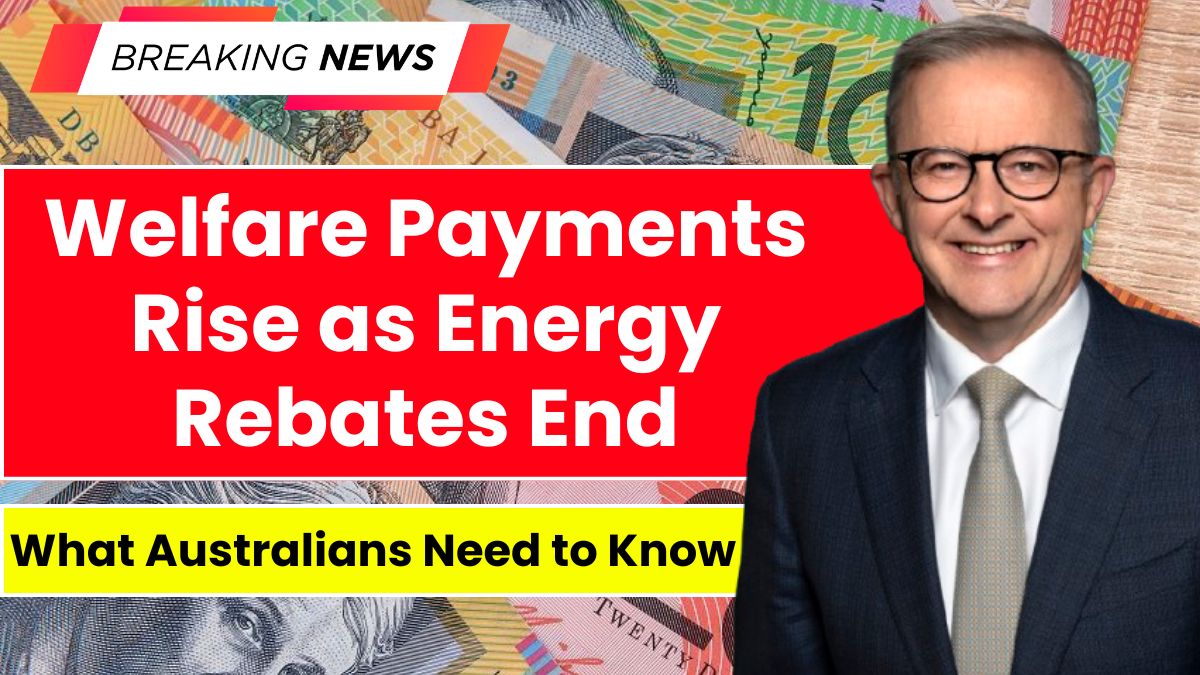
For millions of Australians who depend on government support, July brings both relief and concern. Welfare payments are increasing due to routine indexation, which means recipients will see a small but permanent rise in their fortnightly income. At the same time, the federal energy rebate scheme that helped lower electricity bills is ending, creating new pressure for households already struggling with high living costs. These changes directly affect people receiving payments through Centrelink.
Why Welfare Payments Are Increasing
The increase in welfare payments is part of the government’s regular indexation process. This system adjusts payments to reflect changes in inflation and wage growth, helping benefits keep pace with rising prices. Payments such as JobSeeker, the Age Pension, Parenting Payment, and other income supports have all been updated. For most people, the increase is modest and adds only a small amount to each fortnightly payment, but it is permanent.
How Indexation Really Works
Indexation is designed to prevent welfare recipients from falling behind during periods of high inflation. However, it looks at past economic data rather than future costs. This means payments rise after prices have already increased, not before. As a result, many Australians feel the boost does not fully cover current expenses, especially when bills rise faster than general inflation.

The End of the Energy Rebate Scheme
Alongside the payment increase, the federal energy rebate scheme is coming to an end. This program provided direct credits on electricity bills for eligible households, including pensioners and low-income families. For many, the rebate reduced annual power costs by hundreds of dollars. Its removal is being felt immediately, particularly by people with high electricity use.
Why the Rebate Is Ending
The government has described the rebate as a temporary response to extreme energy price spikes. As wholesale prices stabilise, officials are shifting away from broad rebates and focusing more on long-term income support and targeted assistance. Critics argue that retail electricity prices remain high, regardless of wholesale trends.
Real Impact on Households
Many recipients say the numbers do not balance out. The small rise in payments is often absorbed quickly by higher costs for electricity, food, insurance, and medical needs. For households with medical equipment, large families, or poorly insulated homes, losing the rebate feels more significant than gaining a small income increase.

What Recipients Should Prepare For
With rebates ending, households may need to budget more carefully for energy bills. Some states still offer concessions, and energy providers have hardship programs for customers who struggle to pay. Checking eligibility for local support can help reduce bill shock.
Government Response and Outlook
Officials maintain that indexation remains a key safeguard for vulnerable Australians. However, experts warn that small payment increases may not be enough if energy costs continue to rise. Future support will depend on economic conditions and policy decisions.
Disclaimer
This article is for informational purposes only and is based on publicly available information. Government policies, payment rates, and support programs may change. Readers should check official government websites or contact Centrelink directly for the most accurate and up-to-date information regarding their individual circumstances.