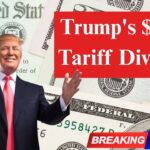
US Stimulus Check Plan :- President Donald Trump has announced a new timeline for his proposed $2,000 stimulus checks, telling Americans they can now expect the payments toward the end of this year rather than the middle of 2025 as previously suggested. During a recent conversation with The New York Times, the president confirmed that the initiative would move forward without requiring approval from Congress, relying instead on revenue generated from his administration’s tariff policies.
The delay marks a shift from Trump’s earlier projections when he indicated that Americans might see the money arriving in their bank accounts by mid-2026 or shortly thereafter. This change has raised questions among citizens who were anticipating financial relief earlier in the year, particularly as many households continue to feel the pressure of rising living costs and economic uncertainty.
Who Qualifies for the Payments Remains Unclear ,US Stimulus Check Plan
The president first introduced the concept of rebate checks last November, specifying that the program would target low- and middle-income Americans. However, the White House has yet to release detailed information about exactly who would be eligible to receive these payments. Without clear income thresholds or specific qualification criteria, millions of Americans remain uncertain about whether they would benefit from this program.
Trump has suggested that any surplus funds collected through tariffs that exceed the amount needed for the stimulus checks could be directed toward reducing the national debt, which currently exceeds $38 trillion. While this approach sounds fiscally responsible on the surface, experts have raised concerns about whether the math actually works out in favor of such an ambitious plan.
Budget Shortfalls Threaten the Initiative
According to analysis from the Committee for a Responsible Federal Budget, distributing $2,000 checks to eligible Americans would cost approximately $600 billion. This figure presents a significant challenge when compared to actual tariff collection numbers. The Department of Treasury’s most recent data shows that the United States collected $195 billion in tariff revenue during the fiscal year ending September 30.
This substantial gap between projected costs and actual revenue raises serious doubts about the financial viability of the stimulus program. Even with continued tariff collections throughout the year, reaching the $600 billion needed to fund the initiative would require tariff revenues to more than triple from their current levels. Financial experts have questioned whether such dramatic increases are realistic or sustainable without causing severe economic disruptions.
Supreme Court Decision Could Derail Tariff Strategy
The foundation of Trump’s stimulus plan rests on his ability to continue imposing and collecting tariffs from trading partners. However, this strategy faces a major legal challenge currently under review by the Supreme Court. The nation’s highest court is examining whether the president has the legal authority to implement these tariffs under the International Emergency Economic Powers Act, a law passed in 1977 that grants presidents broad economic powers during declared national emergencies.
During arguments held in November, several justices expressed skepticism about the administration’s interpretation of this law and whether it truly provides the sweeping tariff authority Trump has claimed. Although the court has not yet issued its ruling, legal observers noted that the tone of the questioning suggested potential concerns about executive overreach in matters traditionally handled through congressional legislation and international trade agreements.
Treasury Secretary Outlines Backup Plans
Treasury Secretary Scott Bessent has attempted to reassure the public that the administration has alternative legal pathways to maintain its tariff structure regardless of how the Supreme Court rules. Speaking at The New York Times DealBook Summit last month, Bessent referenced several provisions within the Trade Expansion Act of 1962 that could potentially serve as backup authority for imposing tariffs.
Bessent specifically mentioned Section 232 and Section 301 of the trade law, along with what he called “122s,” as potential tools the administration could deploy. Section 232 allows presidential action on imports that threaten national security after an investigation by the commerce secretary. Section 301 provides mechanisms for addressing unfair trading practices by other nations.
Legal Experts Question Alternative Tariff Authority
While Bessent’s confidence in these alternative legal pathways may comfort some supporters of the administration’s policies, trade law experts have pointed out significant limitations. These alternative provisions come with more restrictions and procedural requirements than the emergency powers Trump has relied upon thus far. Section 301, for instance, follows established processes that involve investigations, consultations, and specific findings about unfair trade practices rather than broad emergency declarations.
Furthermore, implementing tariffs under these alternative authorities would likely trigger new legal challenges and could face additional scrutiny from Congress. Some legal scholars have suggested that using these laws to circumvent a negative Supreme Court decision could open the administration to accusations of attempting to work around judicial authority.
Congressional Approval May Be Necessary After All
Despite Trump’s assertions that congressional approval is unnecessary, Treasury Secretary Bessent has acknowledged that legislation passed by Congress might ultimately be required to make the stimulus checks a reality. This admission contradicts the president’s public statements and suggests internal recognition that the legal and financial hurdles facing the program are more substantial than initially presented.
Getting congressional approval for a $600 billion expenditure would require significant bipartisan cooperation, something that has proven difficult in recent years. Lawmakers would likely demand detailed plans about funding sources, eligibility requirements, and long-term fiscal impacts before supporting such a massive direct payment program. The political landscape and competing budget priorities could further complicate efforts to secure the necessary votes for passage.