Volkswagen Polo 2026 Revealed: Volkswagen is preparing to introduce the refreshed Polo 2026 model, bringing significant upgrades to one of Europe’s most trusted compact hatchbacks. The German automaker plans to unveil this updated version globally by late 2025, with sales beginning in early 2026 across multiple markets. This new iteration promises to deliver better fuel economy, smarter connectivity features, and enhanced safety systems while maintaining the premium build quality that has made the Polo a preferred choice among urban drivers worldwide.
The 2026 update comes at a crucial time when compact car buyers increasingly demand advanced technology and efficient powertrains without compromising on comfort or safety. Volkswagen has focused on addressing these priorities by integrating mild-hybrid technology, digital driver displays, and comprehensive driver-assistance features. For Indian buyers especially, this model represents an attractive option in the premium hatchback space where competition from Japanese and Korean manufacturers continues to intensify. The Polo’s reputation for solid German engineering and long-term reliability makes it stand out in a crowded marketplace where many buyers prioritize value retention and ownership experience over initial purchase price alone.
Refreshed Design Language and Exterior Updates
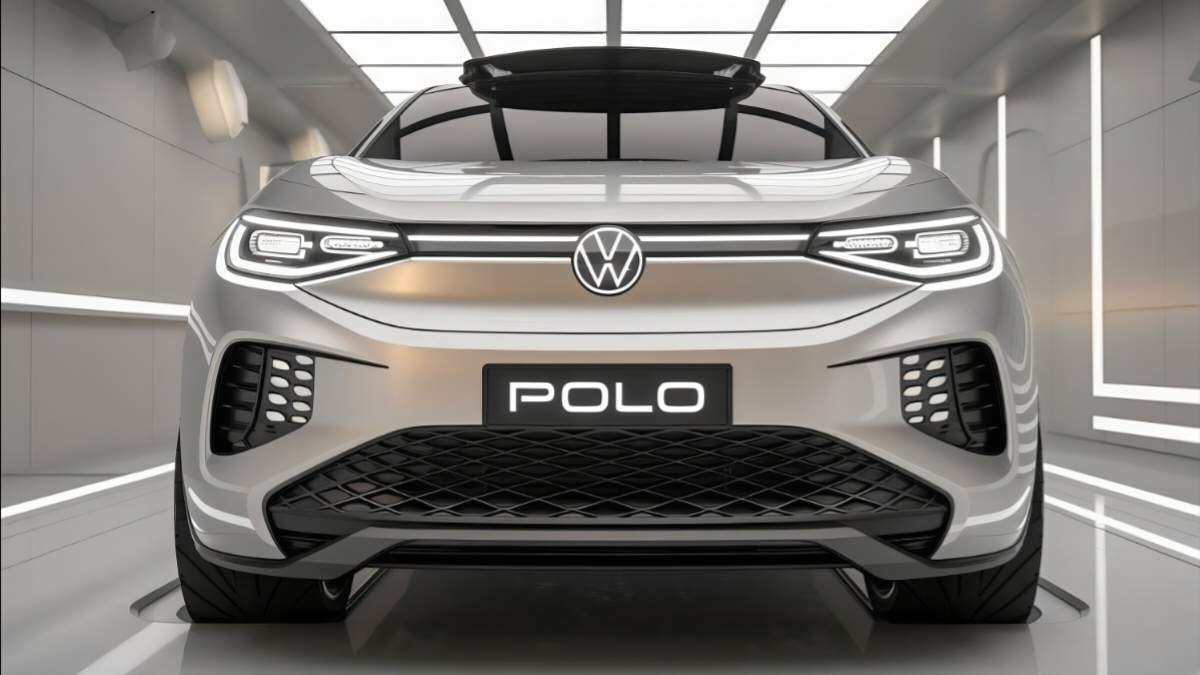
The exterior styling of the Polo 2026 reflects Volkswagen’s contemporary design philosophy with sharper LED headlights and a redesigned front grille. These changes give the hatchback a more modern appearance while maintaining the clean lines and proportions that define the Polo’s identity. Subtle body creases add visual interest without making the design overly aggressive, appealing to buyers who prefer understated elegance. The compact dimensions remain practical for city parking and tight maneuvering, yet the updated stance conveys confidence on the road.

New alloy wheel designs complement the refreshed exterior, with aerodynamic improvements contributing to better fuel efficiency. Despite being positioned in the hatchback category, the Polo maintains a sporty profile that distinguishes it from more utilitarian competitors. The design approach balances timeless appeal with contemporary touches, ensuring the vehicle looks current without risking quick visual obsolescence. This strategy has historically helped Polo models maintain strong resale values compared to competitors with more dramatic styling that dates faster.
Premium Cabin Experience and Interior Quality
Inside, the Polo 2026 continues Volkswagen’s tradition of delivering premium materials and solid construction quality typically associated with larger vehicles. Soft-touch surfaces cover key touchpoints, while the dashboard layout emphasizes simplicity and functionality. The driver-focused design places essential controls within easy reach, reducing distraction during operation. Improved sound insulation keeps cabin noise levels low even at highway speeds, enhancing the premium feel that differentiates the Polo from mass-market competitors.
Seating arrangements accommodate five passengers comfortably, with front seats offering good support for extended journeys. Rear-seat legroom remains adequate for typical city use, though taller passengers may find space limited on longer trips. Practical storage solutions including cup holders, door pockets, and small cubbies address everyday usability needs. The overall interior quality reflects Volkswagen’s attention to detail and commitment to durability, factors that contribute significantly to the Polo’s appeal among buyers prioritizing long-term ownership satisfaction over flashy features.
यह भी पढ़े:
 Tata Nano Electric 2026 Big Update : 900 Km Range, 150 km/h Speed, 5‑Star Safety & Price ₹95000 Only
Advanced Safety Systems and Structural Strength
Safety remains a core priority for the Volkswagen Polo 2026, with the vehicle expected to incorporate high-strength steel construction and reinforced body structures. This robust framework not only protects occupants during collisions but also contributes to the stable, planted driving feel that characterizes Volkswagen products. The German automaker’s engineering approach prioritizes structural integrity as a foundation for both safety and handling performance, distinguishing the Polo from competitors that may cut costs through lighter construction methods.
Active safety technologies enhance protection beyond passive structural measures. The driver-assistance suite likely includes rear parking sensors for easier maneuvering, automatic emergency braking to prevent or mitigate collisions, and lane-departure warning systems that alert drivers when unintentionally drifting. These features work together to reduce accident risks in everyday driving situations. For families and safety-conscious buyers, these comprehensive protection systems justify the Polo’s premium positioning within the compact hatchback segment, offering peace of mind that extends beyond basic transportation needs.
Connected Technology and Digital Integration Features
The infotainment system in the Polo 2026 represents a significant upgrade, supporting wireless smartphone connectivity that eliminates cable clutter. Voice command functionality allows drivers to control navigation, music, and phone calls without taking hands off the steering wheel. The touchscreen interface features improved responsiveness and more intuitive menu structures based on user feedback from previous models. Multiple USB charging ports ensure passengers can keep devices powered during journeys, addressing the constant connectivity needs of modern users.

Connected car features may include remote vehicle monitoring, digital service scheduling, and over-the-air software updates that keep systems current without requiring dealership visits. These capabilities align with younger buyers’ expectations for seamless digital integration in their vehicles. The technology package positions the Polo as a forward-thinking choice rather than simply an affordable transportation option. For buyers who rely heavily on smartphone navigation apps and streaming services, this level of connectivity integration makes the Polo particularly attractive compared to competitors offering more basic infotainment systems.
Balanced Ride Quality and Driving Dynamics
Volkswagen has long prioritized ride comfort and handling balance in the Polo, and the 2026 model continues this tradition. The suspension system effectively absorbs road imperfections common on city streets while maintaining composure during highway cruising. This tuning approach delivers a comfortable ride without sacrificing the responsive handling that makes the Polo enjoyable to drive. Precise steering feedback gives drivers confidence during quick lane changes and parking maneuvers, qualities that become especially valuable in congested urban environments.
The driving experience reflects German engineering principles that emphasize predictability and refinement over outright performance. While the Polo isn’t marketed as a sports car, it delivers engaging driving dynamics that make daily commutes less tedious. The balance between comfort and control appeals to buyers seeking a premium feel without moving into larger, more expensive vehicle segments. This positioning has historically been a key strength for the Polo, attracting drivers who appreciate quality execution in a practical package.

Market Competition and Target Audience
The Volkswagen Polo 2026 enters a competitive premium hatchback segment that includes established rivals like the Hyundai i20, Toyota Yaris, and sibling Skoda Fabia. Each competitor offers distinct advantages, with Korean and Japanese brands typically providing more features at similar price points. However, the Polo differentiates itself through superior build quality, refined driving dynamics, and the Volkswagen brand’s reputation for engineering excellence. These intangible qualities often matter more to buyers prioritizing long-term ownership experience over initial feature counts.
The target audience includes urban professionals, small families, and buyers seeking a premium compact car that delivers reliability without requiring a significant financial stretch. The Polo particularly appeals to those who value understated quality over flashy styling or excessive features. Brand-conscious buyers who appreciate German automotive heritage find the Polo’s positioning attractive, as it offers an accessible entry point into Volkswagen ownership. This strategic positioning has sustained the Polo’s success across multiple generations despite intense competition in the compact car segment.
Expected Pricing and Ownership Considerations
While Volkswagen has not announced official pricing for the Polo 2026, industry analysts expect the model to maintain competitive positioning within the premium hatchback segment. The pricing strategy will likely balance the advanced features and quality construction against competitor offerings that may provide more equipment at lower price points. For buyers considering total ownership costs, the Polo’s strong resale value and reputation for reliability often offset any initial price premium over mass-market alternatives.

Maintenance costs for Volkswagen vehicles in markets like India have historically been higher than Japanese competitors, though improving service networks and better parts availability are addressing this concern. The Polo’s solid construction typically results in fewer repairs over the ownership period, potentially offsetting higher routine service costs. Buyers should evaluate total cost of ownership including insurance, maintenance, and resale value rather than focusing solely on purchase price when comparing the Polo against competitors in this segment.
Disclaimer: The information presented in this article is based on industry reports, media sources, and manufacturer announcements available at the time of writing. Specifications, features, pricing, and launch schedules for the Volkswagen Polo 2026 may vary by region and are subject to change based on final manufacturer decisions. Readers are advised to consult Volkswagen’s official website or visit authorized dealerships for the most current and accurate information regarding availability, specifications, and pricing in their specific market.