TVS Apache 125: The Indian motorcycle market is buzzing with anticipation as TVS Motor Company prepares to expand its popular Apache lineup with a new 125cc offering. Known for delivering performance-oriented motorcycles that combine style with substance, TVS aims to capture the attention of young riders and first-time buyers with this upcoming model. The Apache 125 promises to bring the brand’s signature sporty DNA to a more accessible and fuel-efficient segment, making premium motorcycle ownership a reality for a broader audience.
This strategic move by TVS comes at a time when the 125cc segment is witnessing renewed interest from manufacturers and consumers alike. Urban commuters are increasingly seeking motorcycles that don’t just serve as transportation tools but also make a statement on the road. The Apache 125 is positioned to meet this demand by offering aggressive styling, modern features, and reliable performance wrapped in a package that won’t strain the wallet. With established competitors already dominating this space, TVS is betting on its racing heritage and engineering prowess to carve out a significant market share. The new model represents more than just another product launch; it’s TVS’s answer to the growing demand for sporty yet practical commuter motorcycles in India.
Aggressive Design Language and Premium Build Quality
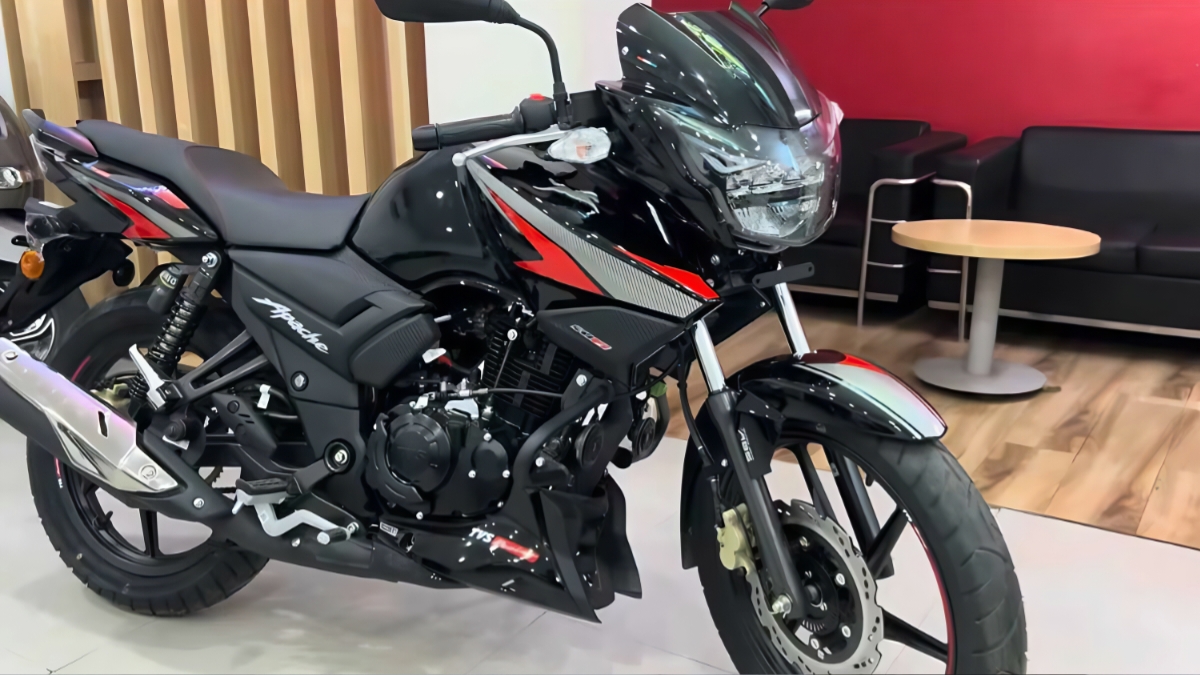
TVS has consistently maintained a distinctive design philosophy across the Apache range, and the 125cc variant is expected to follow suit. The motorcycle will likely showcase sharp body panels, a muscular fuel tank, and angular lines that convey movement even when stationary. This aggressive styling approach differentiates it from more conservative commuter motorcycles, appealing to riders who want their bike to reflect their personality. The design team has reportedly worked on creating a visual identity that connects with the existing Apache family while introducing elements specific to this displacement category.

Premium touches are anticipated throughout the motorcycle, from the quality of plastics used in body panels to the fit and finish of components. LED headlamps and taillamps are expected to be standard, providing modern aesthetics alongside practical benefits like better illumination and lower power consumption. The attention to detail in design extends to elements like the exhaust system, side panels, and rear section, all contributing to a cohesive look. For younger buyers especially, who often prioritize appearance alongside performance, the Apache 125’s styling could prove to be a major selling point in showrooms across the country.
Engine Performance and Fuel Efficiency Balance
The heart of any motorcycle is its engine, and the Apache 125 is expected to feature a refined 125cc single-cylinder powerplant designed specifically for Indian riding conditions. This engine will need to strike a delicate balance between delivering spirited performance for enthusiastic riding and maintaining excellent fuel economy for daily use. Early estimates suggest power output in the 10-12 PS range with torque figures around 10-11 Nm, numbers that should provide adequate acceleration for city traffic and comfortable highway cruising within legal speed limits.
Fuel injection technology is likely to be employed, offering benefits like smoother power delivery, better cold starts, and improved fuel efficiency compared to carbureted systems. The engine will be paired with a 5-speed gearbox that should offer well-spaced ratios for different riding scenarios. Refinement levels are expected to be high, with TVS focusing on reducing vibrations and ensuring smooth operation across the rev range. For buyers concerned about running costs, the projected mileage of 45-55 kmpl makes the Apache 125 an economical proposition that doesn’t demand frequent fuel stops, a crucial consideration for students and salaried professionals using it for daily commuting.
यह भी पढ़े:
 Tata Nano Electric 2026 Big Update : 900 Km Range, 150 km/h Speed, 5‑Star Safety & Price ₹95000 Only
Modern Features and Digital Instrumentation
Today’s motorcycle buyers expect more than just basic functionality from their machines, and the Apache 125 is anticipated to deliver on this front with a comprehensive feature set. A fully digital instrument cluster will serve as the information hub, displaying essential data like speed, odometer readings, trip meters, fuel level, and possibly gear position indication. Some variants might even include smartphone connectivity features, allowing riders to access navigation and call alerts, though this remains speculative until official confirmation.
The chassis and suspension setup will play a crucial role in defining the riding experience. Telescopic forks at the front and a monoshock at the rear are expected to form the suspension package, tuned specifically to handle the varied road conditions found across India. This setup should provide a balance between handling precision and ride comfort, essential for a motorcycle that will see duty both on smooth highways and pothole-riddled city streets. Tubeless tires will likely come as standard equipment, offering better puncture resistance and easier maintenance. The overall feature package aims to provide value that justifies the pricing while keeping the Apache 125 competitive in a segment where buyers are increasingly well-informed and demanding.
Safety Systems and Braking Technology
Safety has become a non-negotiable aspect of motorcycle design, and manufacturers are responding by incorporating advanced braking systems even in entry-level segments. The TVS Apache 125 is expected to offer disc brakes, with higher variants potentially featuring dual-channel ABS for enhanced braking control. This technology prevents wheel lock-up during hard braking or on slippery surfaces, significantly improving safety margins for riders of all skill levels. For many first-time buyers, this could be their introduction to ABS-equipped motorcycles, setting expectations for future purchases.
Beyond braking systems, the overall build quality and structural integrity of the motorcycle contribute to safety. The frame is likely to be designed using computer-aided engineering to optimize strength while keeping weight in check. Adequate ground clearance will ensure the motorcycle can navigate speed breakers and uneven roads without scraping, while the seating position will be ergonomically designed to reduce rider fatigue during longer journeys. Lighting quality, both for visibility and being visible to other road users, is another safety aspect that TVS is expected to address through LED technology. These combined safety features position the Apache 125 as a responsible choice for families purchasing a motorcycle for young riders.
Target Market and Competitive Positioning
Understanding the target audience is crucial for any product’s success, and the Apache 125 appears aimed squarely at young professionals, college students, and first-time motorcycle buyers who desire something beyond basic transportation. This demographic typically values style and brand image alongside practical considerations like fuel efficiency and maintenance costs. They’re also more likely to be influenced by social media presence and peer recommendations, making the Apache brand’s established reputation in racing and performance a valuable asset in marketing efforts.
The competitive landscape in the 125cc segment includes established players like Bajaj with the Pulsar 125, Honda with the SP 125, and Hero with various offerings. Each competitor brings strengths to the table, whether it’s Bajaj’s brand legacy, Honda’s reliability reputation, or Hero’s extensive service network. TVS will need to differentiate the Apache 125 through a combination of styling, features, and pricing strategy. The company’s track record with the Apache RTR series, which has built a loyal following over the years, provides a foundation to attract buyers who aspire to own an Apache but need the practicality of a 125cc engine. Success in this segment could open doors for TVS to strengthen its overall market position and potentially launch variants or special editions based on customer response.
Expected Pricing and Value Proposition
Pricing strategy will be critical in determining the Apache 125’s market success. The expected range of ₹95,000 to ₹1,10,000 (ex-showroom) positions it in the premium end of the 125cc segment, reflecting the additional features and brand value TVS brings to the table. This pricing must be justified through tangible benefits like better build quality, more features, and superior performance compared to alternatives. TVS will likely offer multiple variants, allowing buyers to choose based on their budget and feature preferences, with the base model keeping costs accessible while top variants showcase the full potential of the platform.
The value proposition extends beyond the sticker price to include factors like fuel efficiency, maintenance costs, resale value, and ownership experience. TVS typically offers competitive warranty packages, and the Apache 125 is expected to come with standard coverage of three years or a specified kilometer limit. The company’s expanding service network across urban and semi-urban areas means buyers can expect reasonable access to maintenance facilities. Insurance costs for 125cc motorcycles are generally lower than larger displacement bikes, adding to the affordability equation. For buyers evaluating options in this segment, the total cost of ownership over three to five years becomes a deciding factor, and TVS will need to ensure the Apache 125 performs well on this metric to justify any premium over competitors.
Disclaimer: The information provided in this article is based on industry reports, speculation, and unofficial sources as TVS Motor Company has not officially launched or confirmed specifications for the Apache 125 New Model. Actual specifications, features, pricing, and availability may differ from what is mentioned here. Readers are advised to contact authorized TVS dealerships or visit the official TVS Motor Company website for accurate and up-to-date information before making any purchase decisions. The mileage figures mentioned are estimates under standard test conditions and actual fuel efficiency may vary based on riding conditions, maintenance, and individual riding styles.