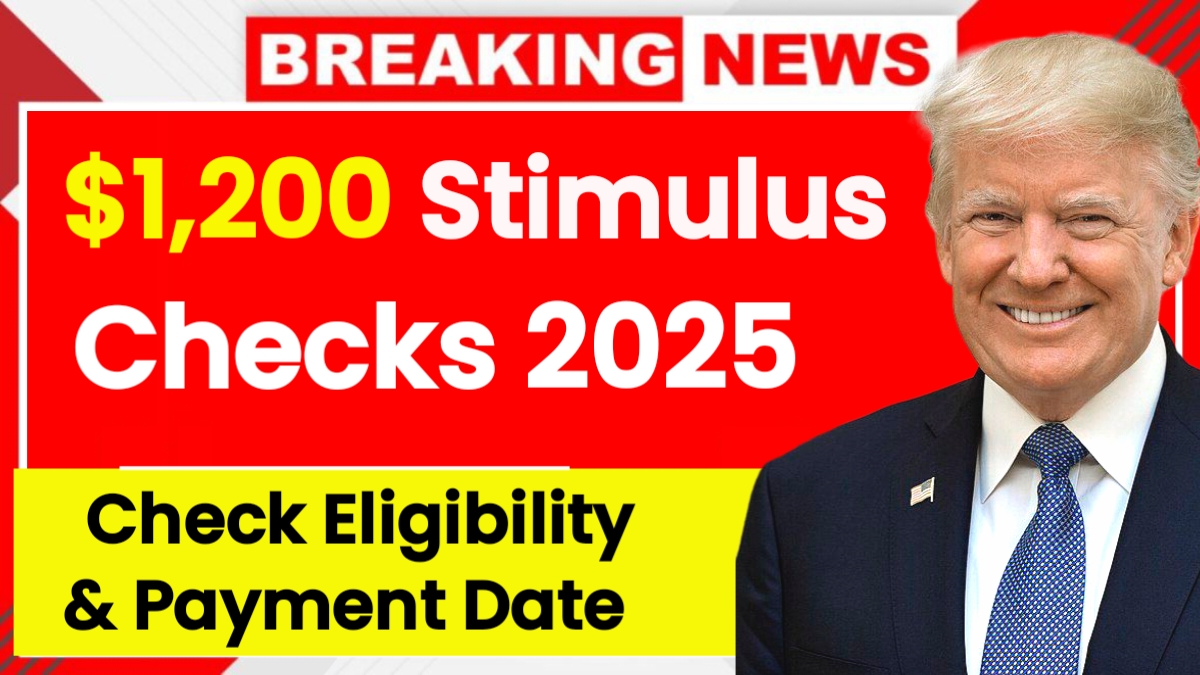
$1,200 Stimulus Checks 2025: In late 2025, a growing buzz has emerged across the United States about the possibility of a one-time $1,200 stimulus check. As the cost of everyday essentials continues to rise, many Americans are feeling financial pressure from higher grocery prices, increased gas costs, and rapidly rising rent. The rumor of a new payment has created excitement and raised hopes among working families, seniors, and taxpayers searching for financial relief. However, despite the attention this topic is receiving, the idea remains a possibility rather than a confirmed government benefit. No official statement has been issued by the IRS, and no legislation has been signed into law to authorize such payments.
Understanding the Roots of the $1,200 Stimulus Rumor
The idea of another stimulus check appears to have grown from discussions among lawmakers exploring ways to boost consumer spending. Rising inflation has made it difficult for many households to manage essential expenses, prompting policymakers to explore targeted financial support. Unlike the pandemic-era stimulus programs, which provided aid to a wide population, the current proposal is designed to offer more narrow and focused help. Lawmakers are considering whether a smaller, one-time payment linked to existing tax credits or rebates could help families without placing long-term strain on the federal budget. These conversations, though informal, have fueled much of the public speculation.
A Proposal Still in Early Stages
As of now, no formal bill supporting the $1,200 check has been introduced or passed in Congress. Discussions remain in their early stages, and both lawmakers and the IRS have avoided making any official comments. This means the idea is still a “what-if” scenario rather than a committed plan. Media reports and social conversations have amplified the rumor, but until Congress votes and the IRS receives direct instructions, no payment process can begin. For households hoping for extra financial relief, understanding this distinction is essential to avoid confusion and false expectations.

Possible Eligibility Requirements If Approved
If the $1,200 stimulus check does become a reality, analysts expect that eligibility would be limited to U.S. citizens and lawful residents with a valid Social Security Number or ITIN. Early conversations indicate that the government would likely rely on tax records to determine who qualifies. Individuals who filed federal tax returns for 2023 or 2024 would be among the first considered. Under early draft ideas, single taxpayers earning up to around $75,000 could receive the full payment, while married couples filing jointly might qualify with income up to $150,000. Earnings above these limits would likely lead to reduced payments or no payment at all. These guidelines reflect the structure used during earlier relief efforts.
Who Would Benefit the Most from the Proposed Payment
If Congress approves the payment, the earliest beneficiaries would likely be individuals and families who have maintained updated tax filings. This includes low-income earners, part-time workers, gig workers, and seniors living on Social Security or disability income. Many of these households are currently struggling with higher housing costs and rising medical bills, making even a one-time payment meaningful. The potential stimulus is designed to assist lower and middle-income groups rather than high-income households. People who have not filed taxes recently or who exceed the income thresholds may not qualify under the expected system.
How Americans Can Prepare in Advance
Although the stimulus is not guaranteed, there are several steps people can take to prepare in case it becomes reality. Filing the 2024 federal tax return on time is one of the most important actions. Even individuals who owe no taxes or earn little income can benefit from filing because it helps the IRS confirm their eligibility. People who use ITINs should ensure their identification documents are updated. Keeping banking information current and linked to IRS records may help speed up a potential direct deposit. If someone changes their mailing address, updating details through official IRS processes can help avoid delays. Staying alert and following only official government announcements is essential.

Why Staying Informed Matters Now
In times of financial uncertainty, rumors can spread quickly and create confusion. Many families are relying on accurate information to plan their monthly budgets. Knowing the difference between confirmed updates and speculative reports can prevent disappointment and protect individuals from scams. The best way to stay informed is to follow verified government sources and official IRS statements. Until the government finalizes a plan, all information should be viewed as discussion rather than confirmation. People should be cautious about believing claims shared online without evidence or citing unofficial sources.
Recognizing and Avoiding Stimulus Scams
Whenever the public expects possible government payments, scammers begin targeting people with false promises. Fake emails, text messages, and calls often pretend to offer “early access” or “guaranteed approval” for a payment. These messages frequently request bank account numbers, Social Security details, or upfront fees, which are clear signs of fraud. The IRS does not contact people by phone to request sensitive information, and it never asks for fees to release payments. Anyone who receives suspicious messages should avoid clicking links and instead visit the official IRS website directly. Protecting personal information is essential during times of increased scam activity.
How a $1,200 Payment Could Affect Households
A one-time payment of $1,200, if approved, could provide valuable short-term support during a period of rising financial pressure. For many families, this money could help cover rent, buy groceries, pay medical bills, or manage holiday expenses. Although it would not solve long-term economic challenges, it could offer temporary relief and help stabilize monthly budgets. For seniors and people living on fixed income, the payment could reduce dependence on credit cards or loans. Even though the proposal remains uncertain, the idea of extra financial support has become meaningful for millions of Americans.
यह भी पढ़े:
 IRS Confirms $2,000 Direct Deposit for December 2025: Eligibility, Payment Dates & How to Get Yours
Final Outlook on the 2025 Stimulus Rumor
As of December 2025, the $1,200 stimulus check remains a possibility but not an approved program. Lawmakers are discussing ways to support struggling households, but no official action has been taken. Until a bill is passed and signed into law, Americans should remain cautious and rely only on official government updates. While the rumor reflects real financial needs across the country, the payment cannot be expected until federal authorities provide confirmation.
Disclaimer
This article is based on preliminary discussions and public information available as of December 2025. No $1,200 stimulus payment has been approved. For accurate and official updates, please visit verified government websites such as IRS.gov.