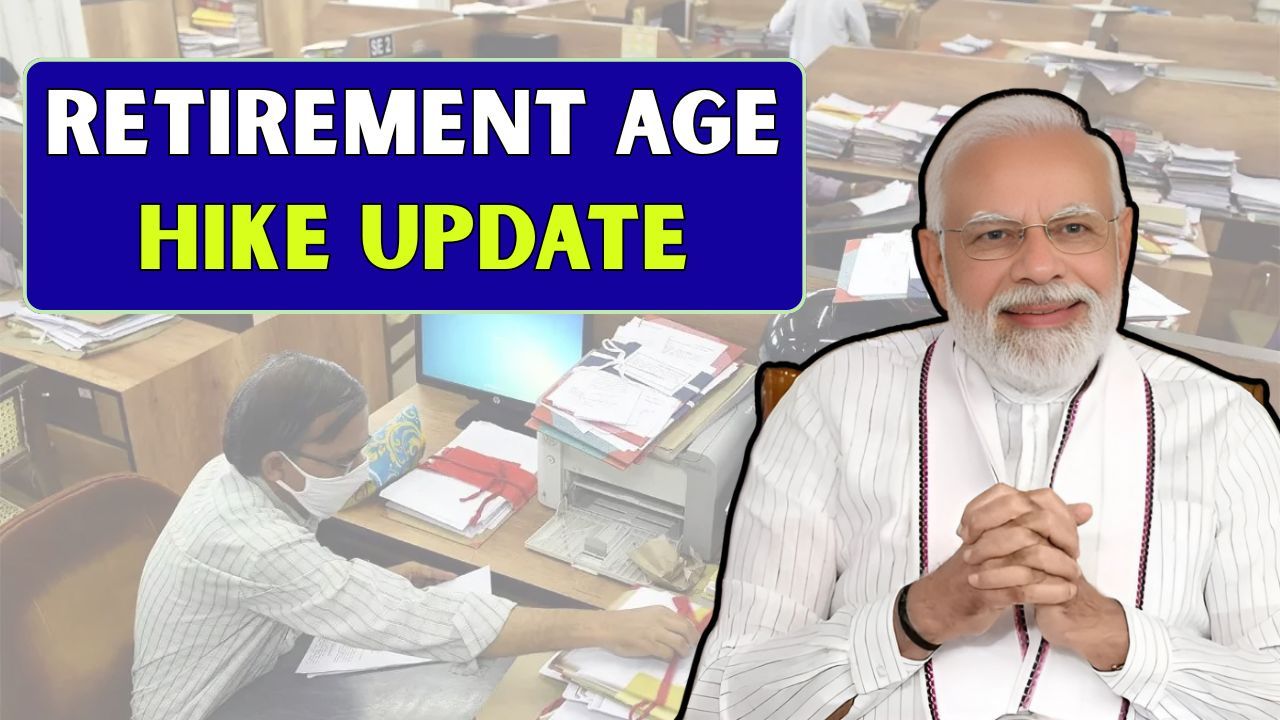
Retirement Age Increased: The government has announced a significant change in retirement rules for eligible employees by increasing the retirement age from 60 to 62 years. This decision marks an important shift in how public service careers are structured and managed. While the move has been publicly presented as a positive reform, its real impact varies across different categories of employees. For some, it brings financial and professional stability, while for others it raises concerns about delayed personal plans.
This policy change applies to both central and selected state government employees who fall under the newly notified rules. The extension effectively adds two more years of active service, altering long-standing expectations around career timelines. As a result, employees must now rethink their retirement planning and post-service goals.
Why the Government Increased the Retirement Age
The decision to raise the retirement age was taken after considering multiple social and economic factors. One major reason is the increase in average life expectancy across the country. People are living longer, healthier lives, and many remain mentally and physically capable of working well beyond the age of 60. The government believes this change aligns retirement policy with modern health realities.

Another key reason is the need to retain experienced and skilled officers within government departments. Senior employees bring institutional knowledge, administrative stability, and problem-solving experience that cannot be easily replaced. By extending their service, the government aims to improve efficiency, continuity, and service delivery.
Mixed Reactions Among Government Employees
While the policy has been welcomed by many, it has also sparked mixed reactions among officers. Some employees were planning to retire at 60 to pursue personal interests, business opportunities, or a quieter lifestyle. For them, the extension may feel compulsory rather than optional, limiting freedom of choice.
On the other hand, many employees see this change as a chance to strengthen their financial position. Two additional years of salary, allowances, and pension contributions can make a meaningful difference. The policy, therefore, creates both opportunity and obligation, depending on individual circumstances.

Who Will Benefit From the Two-Year Extension
The extension is primarily meant for permanent government employees who meet performance and health standards. Only those with satisfactory service records and no major disciplinary issues are expected to receive the benefit automatically. Medical fitness is also a key requirement, ensuring that employees are capable of fulfilling their duties during the extended period.
The status of contractual and temporary employees remains unclear at this stage. The government has indicated that separate guidelines may be issued later. Until official notifications are released, such employees should not assume that the new retirement age will apply to them.
Impact on Salary, Allowances, and Pension Benefits
One of the biggest advantages of the extended retirement age is its effect on income and retirement benefits. Employees will continue to receive their full salary, dearness allowance, and other admissible benefits until the age of 62. Annual increments during this period will further increase overall earnings.

Pension benefits are also expected to rise as pensions are calculated based on the last drawn salary and total years of service. With two extra years added, the final pension amount will likely be higher. Gratuity and other retirement benefits may also increase, providing stronger financial security after retirement.
Effect on Government Recruitment and Youth Employment
A common concern surrounding this policy is its impact on new job opportunities for younger candidates. Extending the service period of existing employees could slow down vacancies and delay recruitment in some departments. This has raised questions about employment prospects for aspiring government job seekers.
However, the government has clarified that recruitment will continue based on actual workforce requirements. Officials have emphasized the need for a balanced approach that combines experienced senior staff with fresh talent. According to the government, the policy is not intended to block new hiring but to ensure administrative stability.

What Employees Should Do Now
Employees who were planning to retire soon should carefully review official notifications issued by their respective departments. It is important to confirm eligibility, health requirements, and any department-specific conditions related to the extension. Individual service records should also be checked for compliance.
Consulting pension projections and financial planners may help employees understand how the additional two years will affect long-term benefits. Making informed decisions now can reduce confusion and help employees adapt smoothly to the new retirement timeline.
Broader Impact on Governance and Administration
From a governance perspective, retaining senior officers can strengthen policy execution and institutional memory. Experienced officials are often better equipped to handle complex administrative challenges and mentor younger staff. This continuity can improve decision-making and service outcomes.

At the same time, it places responsibility on departments to manage workforce planning effectively. Proper role allocation, performance evaluation, and health assessments will be crucial to ensure that the extended service period remains productive and beneficial.
Final Thoughts on the Retirement Age Expansion
The expansion of the retirement age to 62 represents a major reform in government employment policy. It offers financial stability, improved pension outcomes, and better utilization of experienced human resources. For many employees, it is a welcome opportunity to strengthen their future security.
However, the policy also highlights the need for flexibility and clear communication. Individual aspirations, health conditions, and career plans vary widely. As the policy unfolds, transparent guidelines and employee support will be essential to make this transition successful for all stakeholders.

Disclaimer
This article is for informational purposes only and is based on publicly available policy discussions and general interpretations. Retirement rules, eligibility, and benefits may vary by department and are subject to official government notifications. Employees are advised to consult their respective authorities or official circulars before making any decisions related to retirement or service extension.