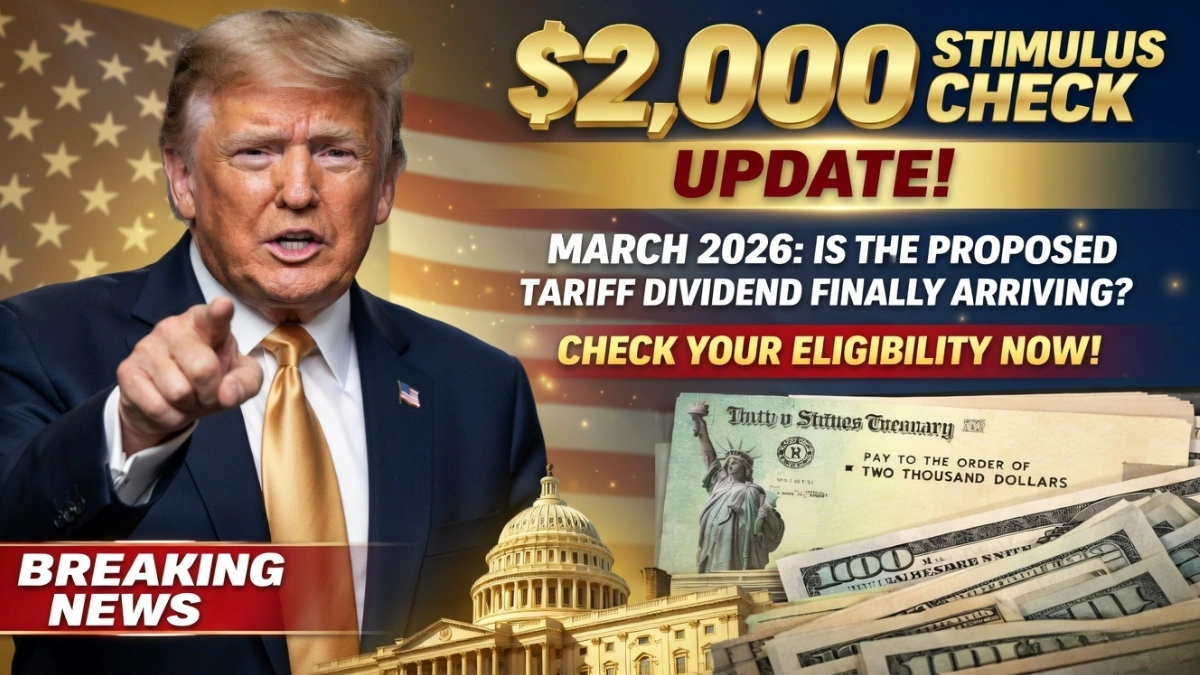
As economic uncertainties continue to challenge households across the nation, a proposed $2,000 stimulus check is stirring interest and hope among eligible taxpayers. This initiative aims to provide crucial financial relief by utilizing funds potentially generated from tariff-related revenue allocations. With many individuals eager to know more about their eligibility and the logistics of such a payment, it’s essential to understand how this proposal might impact you.
Understanding the Tariff-Related Revenue Allocations
Tariffs have long been a tool in international trade used by governments to control imports and protect domestic industries. The revenue generated from tariffs can be substantial, offering a unique source of funding for public initiatives. In this case, the proposed $2,000 payment draws from these revenues, positioning itself as a feasible option for providing direct financial aid without further burdening taxpayers or increasing national debt. By tapping into these funds, policymakers aim to repurpose revenue collected from international trade activities into a domestic economic stimulus.
The allocation of tariff-related revenue towards direct payments is not unprecedented but does mark a significant policy choice. It reflects an effort to utilize existing resources more strategically amidst fiscal constraints while directly impacting individuals’ financial well-being. This approach could pave the way for future policy measures that optimize government revenues for public benefit.

Eligibility Criteria for the $2,000 Stimulus Check
Determining who qualifies for this proposed $2,000 payment is crucial for ensuring that those in need receive timely assistance. Typically, eligibility criteria will encompass various factors such as income levels, tax filing status, and possibly specific economic hardships experienced by households since the beginning of 2026. The goal is to target individuals and families most affected by economic disruptions who may struggle to meet daily expenses amid rising costs.
Income thresholds are likely to align with previous stimulus packages, favoring low- to middle-income earners who experience the most significant impact during economic downturns. Additionally, there might be considerations for dependents or specific circumstances like unemployment or reduced work hours that have exacerbated financial strains. Details regarding eligibility will be crucial for potential recipients seeking clarity on their status.
Implications of the Proposed Payment on the Economy
Infusing $2,000 directly into consumers’ hands has several potential implications for the broader economy. Such stimulus payments can act as an immediate boost in consumer spending, which is vital for invigorating economic growth. When individuals receive additional funds, they are more likely to spend on goods and services that they may have otherwise postponed purchasing due to budget constraints.

This increase in consumer activity can have ripple effects across various sectors, particularly retail and services industries that benefit directly from heightened consumer demand. Furthermore, stimulating spending can aid in job retention and creation as businesses respond to increased demand by maintaining or expanding their workforce. While this measure alone cannot resolve all economic challenges, it serves as a critical step in supporting recovery efforts.
Potential Challenges and Considerations
While the prospect of receiving an additional $2,000 is undoubtedly appealing to many Americans facing financial difficulties, several logistical and political challenges accompany such proposals. One significant concern revolves around efficiently distributing payments while ensuring fraud prevention and minimizing administrative errors. Implementing robust systems is essential for overcoming these hurdles and avoiding delays that could undermine the intended relief.
Additionally, political debates surrounding tariff policies could influence or delay the approval process of these payments. Different stakeholders may have varying perspectives on how tariff revenues should be allocated or whether alternative forms of economic support might be more effective long-term solutions. These considerations underscore the complexity involved in transforming policy proposals into actionable outcomes with tangible benefits for citizens.
As discussions progress and details emerge regarding this potential payout scheme’s implementation, staying informed will be crucial for those eager to benefit from this initiative.
Disclaimer: This article provides information based on current proposals as of March 20, 2026. The details surrounding eligibility criteria and distribution processes are subject to change pending legislative developments or policy adjustments by relevant authorities involved in managing tariff-related revenues’ allocation towards stimulus payments initiatives nationwide.