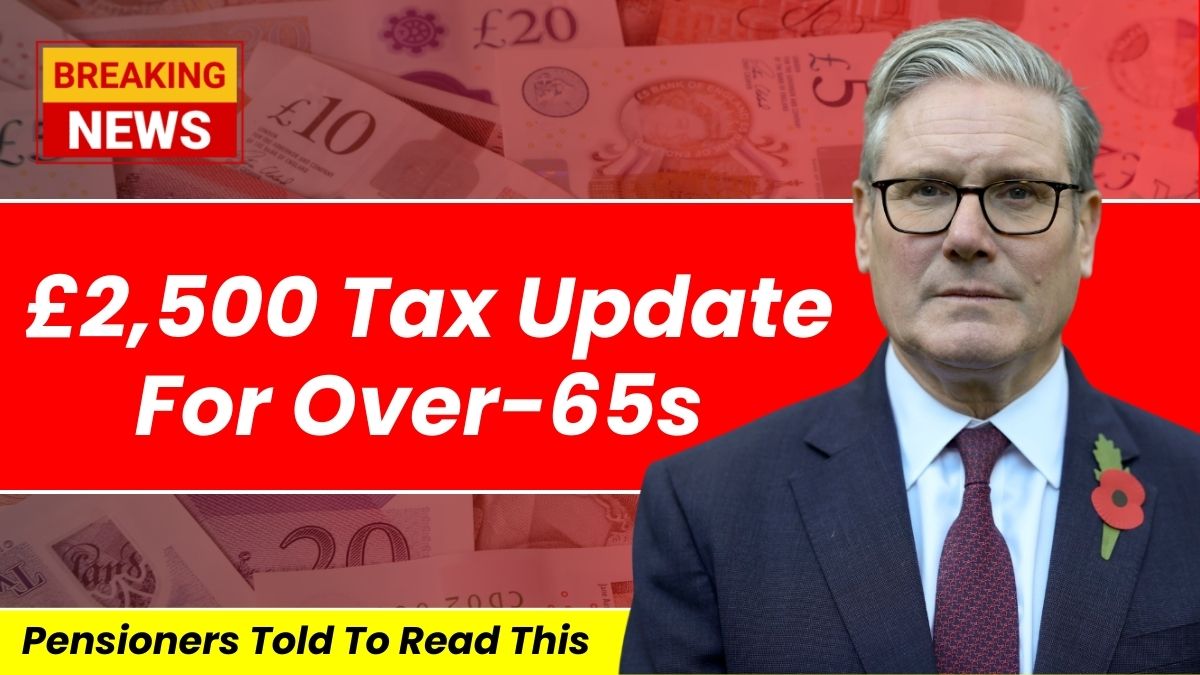
The UK government has confirmed a £2,500 tax-related update that has caught the attention of many people aged over 65. Despite some confusion online, this is not a cash payment being sent to pensioners. Instead, it is a tax assessment figure used by HM Revenue and Customs when reviewing pensioners’ income. Understanding what this update really means can help older taxpayers avoid unnecessary worry and better manage their finances.
What The £2,500 Tax Update Really Means
The £2,500 figure refers to an income assessment threshold used by HMRC, not a bonus or support payment. It helps determine how pension income is reviewed when calculating tax liability. As State Pension payments and other retirement income have increased in recent years, HMRC has adjusted how it monitors income levels to ensure tax calculations remain accurate. This update reflects changes in income patterns rather than offering new financial assistance.
Why HMRC Issued This Notice
HMRC regularly issues notices to keep tax records aligned with current income levels and government policy. With pensions rising and personal tax allowances frozen, more pensioners are edging closer to taxable income thresholds. The £2,500 update is part of HMRC’s effort to ensure people understand how their income is assessed and why their tax position may change, even if their circumstances feel the same as previous years.
How This Update Affects Your Personal Allowance
The personal allowance is the amount of income you can earn before paying tax. Older age-related allowances were removed some years ago, meaning over-65s now have the same allowance as working adults. The £2,500 update does not increase this allowance. Instead, it highlights income levels that may bring some pensioners closer to paying tax or increase the amount they owe under current rules.

Common Confusion Around The £2,500 Figure
Many pensioners have mistaken the £2,500 figure for a government payment or tax refund. In reality, it is an internal reference used by HMRC when assessing income. Most tax issues arise not from errors but from misunderstandings about how pensions are taxed. Knowing that this update is administrative rather than financial support can help reduce anxiety and prevent false expectations.
What Pensioners Should Check Right Now
Pensioners should review any letters or notices received from HMRC carefully. Checking that pension income amounts are correct and that PAYE tax codes reflect current income is important. Even small inaccuracies can lead to underpayments or unexpected tax bills later. If something does not look right, contacting HMRC sooner rather than later usually makes resolving issues much easier.
How HMRC Collects Any Extra Tax Due
If HMRC decides that additional tax is owed, it usually does not ask for a lump-sum payment straight away. Instead, tax is commonly collected through adjustments to future tax codes, spreading the cost over time. In cases where income sources are more complex, a Self Assessment tax return may be required. HMRC normally explains the process clearly in its correspondence.

Impact On Low-Income Pensioners
Low-income pensioners are generally protected from this update. If total income remains below the personal allowance, no income tax is payable. Pensioners receiving Pension Credit or other income-related support are also unlikely to be affected. While this update focuses on tax assessment, it is still worth checking eligibility for benefits, as many pensioners miss out on support they are entitled to.
Why This Matters Looking Ahead
The £2,500 tax update highlights a growing issue for UK pensioners. As pensions rise but tax thresholds remain frozen, more retirees may become taxpayers in future years. Understanding how HMRC calculates tax now can help pensioners plan ahead, manage income more effectively, and avoid surprises. Staying informed today can make retirement finances easier to manage tomorrow.
Final Thoughts
The £2,500 tax update for over-65s is not a payment, but an important HMRC adjustment that affects how pension income is reviewed. While it will not impact everyone, pensioners with multiple income sources should take notice. Reading HMRC letters carefully, checking tax codes, and seeking clarification when needed can help maintain control over retirement finances and provide peace of mind.

Disclaimer
This article is for general information purposes only and reflects UK tax guidance available at the time of writing. Tax rules, thresholds, and personal circumstances can change and may affect individual outcomes. Readers are advised to check official GOV.UK or HMRC sources or seek independent financial advice before making decisions. This content does not constitute tax, legal, or financial advice and should not be relied upon as a substitute for professional guidance.