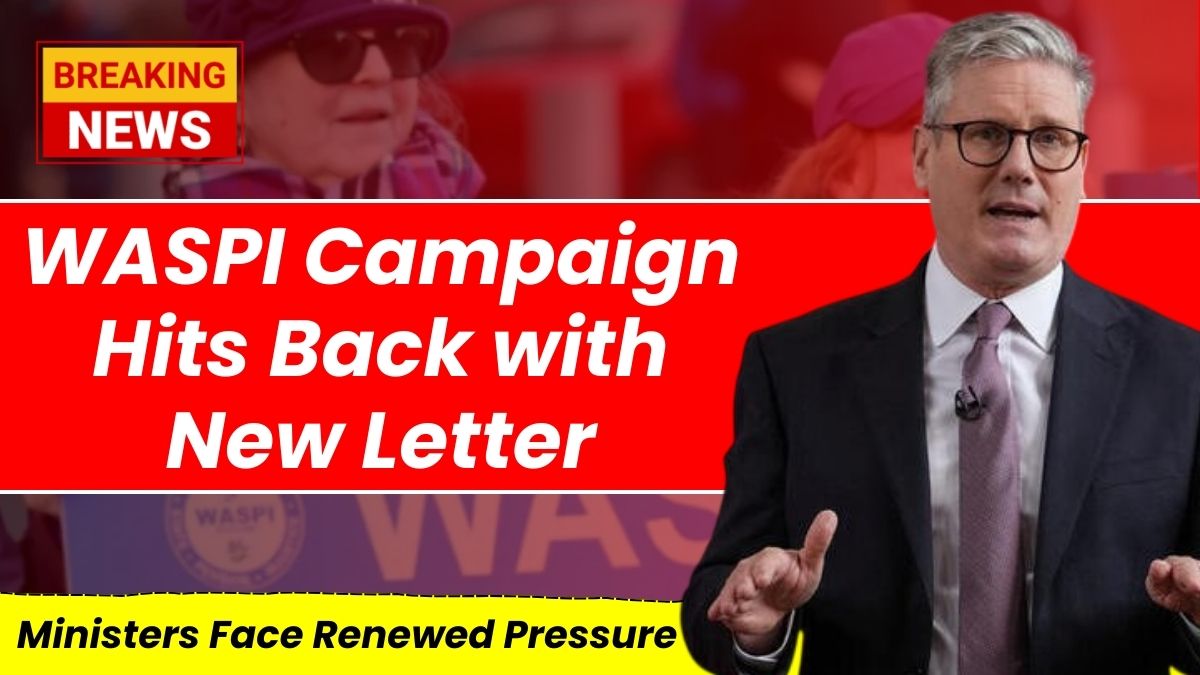
WASPI Compensation Update – The WASPI campaign is back in the spotlight, making headlines once again after sending a new letter to government ministers. The move is part of their ongoing push to address pension injustices faced by women affected by changes to the State Pension age. This latest letter comes at a critical moment, as ministers are under renewed scrutiny. Campaigners warn that continued inaction could further erode trust and prolong financial and emotional hardship for thousands of women across the UK.
For many of the women involved, this isn’t just another campaign update. It’s a stark reminder that their fight for fair treatment and recognition isn’t over yet. With rising living costs and ongoing uncertainty, the latest letter has reignited debate in Westminster and across the media, keeping the issue firmly on the public agenda.
What the WASPI Campaign Is About
WASPI, short for Women Against State Pension Inequality, represents women born in the 1950s who were impacted by the government’s decision to change the State Pension age. While the official stance is that equalisation was necessary, campaigners argue that the problem isn’t the policy itself. The real issue is the way the changes were communicated—or, more accurately, the lack of communication.
The new letter calls on ministers to acknowledge the emotional and financial impact on women affected by the changes. It stresses that ignoring the problem won’t make it disappear and that further delays could damage public confidence in the pension system even more.

The Fresh Warning to Ministers
WASPI representatives say the message is clear: continued silence or refusal to act is unacceptable. The letter reportedly highlights the growing frustration among women who feel forgotten despite decades of work and National Insurance contributions.
It also points out wider social consequences, such as greater reliance on state support and negative impacts on mental health. Campaigners argue that addressing the issue fairly now could prevent bigger social costs in the future, and that fairness should be prioritised over legal arguments alone.
Government Response So Far
Successive governments have maintained that changing the State Pension age was lawful and necessary. Ministers often point to affordability concerns and demographic pressures, arguing that longer life expectancy meant reform was unavoidable.

Critics, however, insist that these responses miss the point. The issue isn’t equalisation itself—it’s how it was handled. While there have been discussions about compensation schemes in the past, no comprehensive resolution has been agreed. The latest letter challenges ministers to focus on fairness rather than legal technicalities.
Why This Issue Still Matters in 2026
For many women, the effects of these pension changes are ongoing. Some are still waiting to reach their State Pension age, while others have already struggled financially for years. High living costs and inflation have only added to the pressure, making the lack of pension income a persistent issue.
Campaigners stress that using the passage of time as an excuse to avoid responsibility isn’t acceptable. They argue that the longer this issue goes unresolved, the more damaging it becomes for affected women and for public trust in the system.

The Impact on Women Across the UK
The women affected by these changes come from all walks of life. Many have worked in low-paid or physically demanding jobs while also balancing caring responsibilities. Without proper notice, they had little chance to adjust their retirement plans.
Some were forced to sell homes, dip into savings, or take on debt to survive the gap before receiving their pension. These personal stories illustrate the human cost of poor policy communication, and they show why the issue cannot simply be dismissed as settled.
Legal and Political Pressure Is Building
Legal challenges to pension changes have had mixed outcomes, but political pressure continues to mount. MPs from various parties have occasionally voiced concerns about how these changes were handled, showing that the issue isn’t going away.

The new letter forms part of a broader strategy to keep the debate alive. By maintaining public awareness, campaigners hope to eventually prompt serious discussions about compensation or transitional support for affected women.
What WASPI Is Asking for Now
Importantly, WASPI isn’t asking for the reversal of pension age equalisation. Instead, they want fair compensation for women who suffered due to poor communication and lack of preparation time. Suggested measures include lump-sum payments or tailored support for the most affected individuals.
Acknowledging the mistake and providing practical support would go a long way toward rebuilding trust. The campaign urges ministers to engage directly with representatives rather than relying on repeated statements refusing action.

Reaction from Supporters and the Public
Supporters of WASPI have welcomed the new letter, calling it long overdue. Many feel encouraged that the campaign is still active and determined to achieve fair treatment.
Across social media and community forums, affected women continue to share personal stories, highlighting the real-life impact behind the headlines. Public sympathy is growing, with many recognising that better communication could have prevented much of the hardship these women have faced.
What Could Happen Next
There’s no guarantee of immediate change, but the renewed pressure increases the chances of further debate in Parliament. Campaigners hope that sustained advocacy, combined with public backing, will eventually push ministers toward a policy rethink.

Possible next steps include meetings with MPs, renewed calls for an independent review, or further public campaigns to maintain visibility. For many women, the ultimate goal is simple: recognition, fairness, and closure.
Why This Story Still Matters for UK Readers
The WASPI campaign is more than just a fight over pensions. It highlights a broader concern about how major policy changes are communicated and the lasting personal consequences when they are not.
For UK readers, this story raises important questions about accountability, trust, and how future reforms should be managed to avoid similar issues. The outcome of this long-running dispute could shape public perception of pension policy for years to come.

Disclaimer
This article is intended for general informational purposes only and does not constitute financial advice. While we aim to provide accurate and up-to-date information, details of policies, benefits, and legal matters may change over time. Readers are encouraged to verify information through official government sources or seek professional advice regarding pensions, compensation, or other financial matters. The publisher cannot be held responsible for any actions taken based on this content.