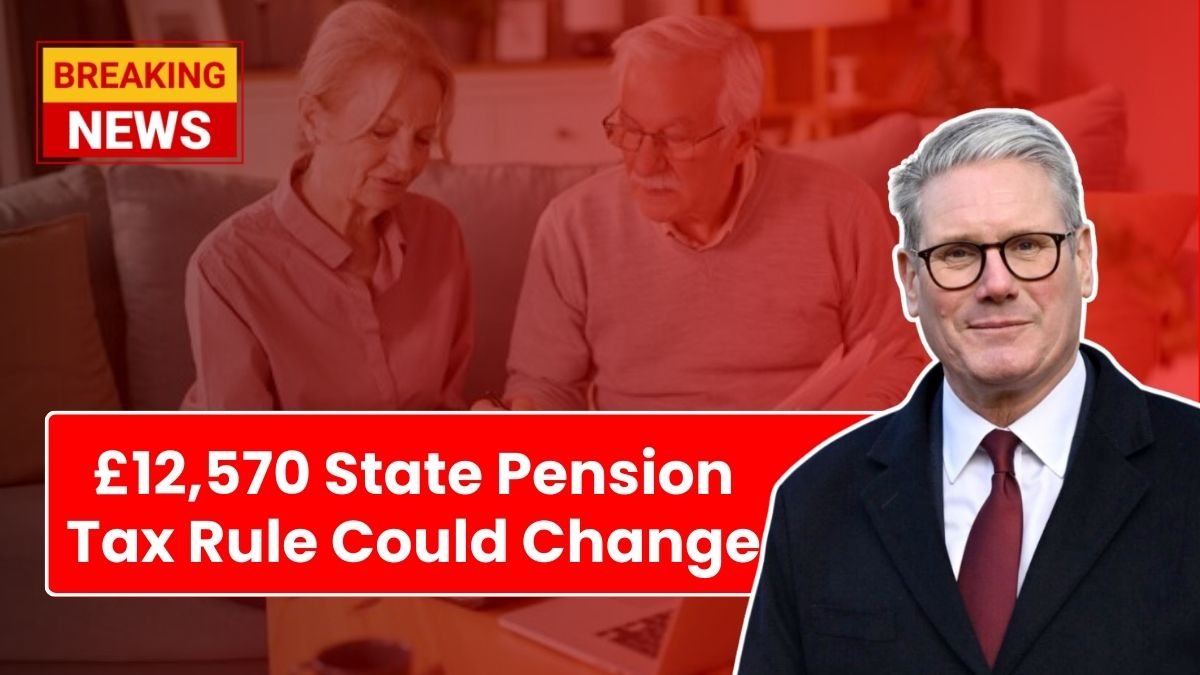
£12,570 State Pension Tax Rule – For a long time, many UK pensioners have quietly questioned why their State Pension can still be taxed, especially when it barely stretches far enough to cover everyday living costs. That question has now returned to the spotlight after fresh discussion around the £12,570 personal allowance and how it affects State Pension income. Following increasing pressure from MPs, pension groups and charities, the Treasury has finally addressed the issue, giving clearer insight into whether a State Pension tax exemption could realistically happen and what it might mean for retirees.
Why the £12,570 Figure Has Become So Important
The £12,570 figure matters because it is the current personal allowance – the amount most people can earn before they start paying income tax. While workers usually have tax deducted automatically through PAYE, State Pension works differently. It is taxable income, but tax is not taken at source. This means many pensioners only discover they owe tax later, often through reduced tax codes or unexpected bills. As the full new State Pension edges closer to £12,570, more retirees are being pulled into the tax system without actually becoming better off.
Why State Pension Taxation Is Becoming a Bigger Issue
Historically, the State Pension sat well below the personal allowance, so tax was rarely a concern for pensioners relying on it alone. Over time, however, the triple lock has increased the State Pension while tax thresholds have not always kept pace. The result is that pensioners can end up paying tax on modest increases that do little to improve their real quality of life. Many critics now describe this as a form of “stealth taxation” that affects people who have limited ability to increase their income.
Who Would Benefit the Most From an Exemption
Lower- and middle-income pensioners would benefit most from a State Pension tax exemption. This includes people receiving the full new State Pension with only a modest private pension, women who had career breaks, and retirees who rely heavily on State Pension income. Those on higher retirement incomes would see little difference, which is why supporters argue the idea is targeted and fair rather than overly generous.

Why the Government Is Being Careful
Despite growing public support, the government remains cautious. Removing tax on State Pension income up to £12,570 would reduce tax revenue at a time when public finances are already under strain. There are also concerns about setting a precedent, as exempting one type of income could lead to demands for similar treatment elsewhere. This is why the Treasury is currently talking about “options” and “reviews” rather than making firm promises.
Political Pressure Is Increasing
Behind the scenes, political pressure is clearly rising. MPs representing areas with large older populations are pushing for reform, while pensioner groups argue the current system unfairly penalises retirees for small annual increases. With further State Pension rises already expected in coming years, the pressure to act will likely grow unless a clearer policy direction is announced.
How Frozen Tax Thresholds Made the Problem Worse
One major reason this issue has escalated is the freezing of tax thresholds over time. While pensions rise, frozen allowances cause fiscal drag, slowly pulling more people into paying tax without any real increase in spending power. For pensioners, this is especially difficult because they have limited ability to boost income to offset higher tax. This has made the situation increasingly hard for the Treasury to ignore.

Is a Change Likely in the Near Future?
At the moment, there is no confirmed timeline for a State Pension tax exemption. However, the Treasury’s public acknowledgement suggests that reform is at least being seriously discussed. Any changes would most likely be announced during a Budget or Autumn Statement rather than introduced quietly. Until then, pensioners should rely on official announcements rather than speculation.
What Pensioners Should Do Right Now
For now, State Pension income remains taxable under existing rules. Pensioners whose total income exceeds £12,570 should continue to check their tax codes, understand how their income is assessed and seek advice if something looks wrong. Keeping records up to date and staying informed can help avoid unexpected tax bills and confusion.
Why This Debate Is Not Going Away
This debate continues because it touches on a wider issue of fairness in retirement. Many pensioners feel they have already contributed through decades of work and should not be taxed on modest State Pension increases. As the population ages and costs continue to rise, pressure on the government to act is unlikely to fade any time soon.

Final Thoughts
The £12,570 State Pension tax exemption is no longer just a rumour. It is now a recognised policy issue that the Treasury has openly acknowledged. While an exemption is not guaranteed, the fact that the issue is under review suggests a possible shift in how State Pension income is treated in future. For millions of pensioners, the outcome could have a lasting impact on financial security in retirement.
Disclaimer
This article is provided for general informational purposes only and should not be taken as financial or tax advice. Tax rules, thresholds and government policies can change, and individual circumstances may differ. Readers are advised to consult HMRC guidance or seek advice from a qualified financial adviser before making decisions relating to State Pension income or personal tax matters.