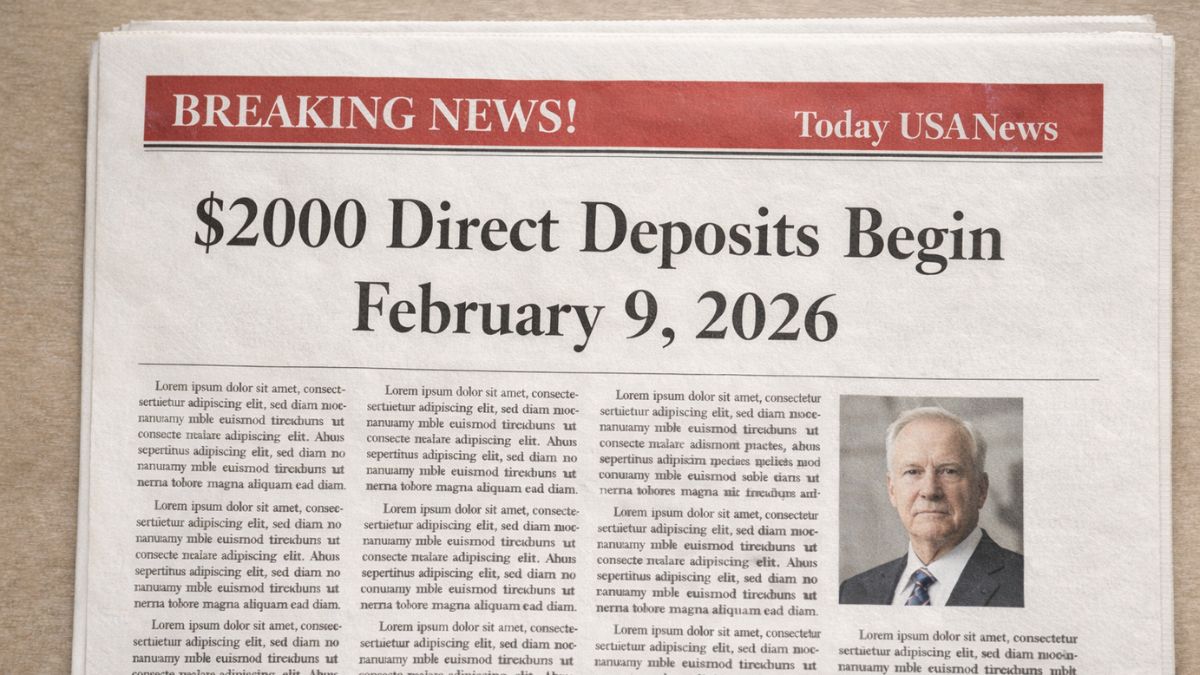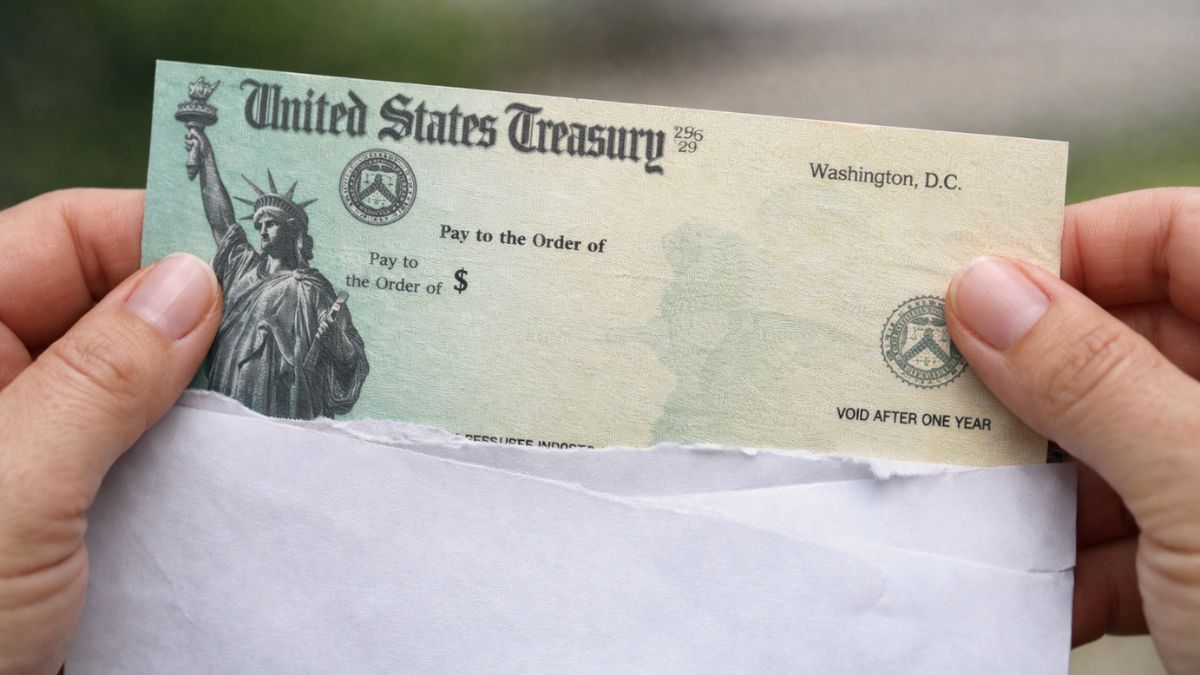
As 2026 begins, many Americans are still struggling with high living costs. Rent, groceries, medical care, and insurance remain expensive, even though inflation has slowed. In this environment, online posts claiming that $2,000 direct deposits are arriving in February have gained a lot of attention. For people under financial pressure, the idea of new federal money feels hopeful and urgent.
The Truth Behind the Rumors
Despite widespread online claims, there is no new nationwide $2,000 stimulus or federal relief payment approved for February 2026. Congress has not passed any law authorizing such a payment. Federal policy has moved away from large, universal cash payouts like those issued during the pandemic. Current government efforts focus more on long-term budgeting and targeted assistance rather than broad stimulus checks.
Why the Confusion Keeps Spreading
Memories of pandemic-era stimulus payments still strongly influence public expectations. During that period, direct payments were common and often arrived quickly. When people now see deposits close to $2,000, it can feel like history is repeating itself. In reality, most of these deposits come from existing programs that have been in place for years.

Where the Money Is Actually Coming From
Many deposits being mistaken for new payments are regular benefits. Social Security retirement payments, disability benefits, Supplemental Security Income, and veterans’ benefits are all continuing on their normal schedules. At the same time, tax season begins early in the year. Some taxpayers receive refunds in February, especially those who file early and qualify for refundable credits. When a refund and a benefit payment arrive close together, the combined amount can look unusually large.
Why Payment Timing Makes It Look Different
The start of the year often creates confusion. Social Security benefits usually increase slightly due to annual cost-of-living adjustments that take effect in January. Bank processing times also vary. Some banks release deposits early, while others wait until the official date. Weekends and holidays can shift posting times, making deposits appear unexpected.
Why Everyone Sees Different Amounts
Federal benefit payments are not flat or equal. Social Security depends on work history and earnings. Tax refunds depend on income, dependents, and filing choices. Two people with similar incomes can receive very different amounts. Viral posts often ignore these details and focus only on eye-catching numbers.

Watching Out for Scams
Whenever rumors of government payments spread, scams increase. Fraudsters may promise guaranteed $2,000 deposits and ask for personal information. Government agencies do not contact people through unsolicited calls, texts, or social media messages asking for sensitive details. Official government websites are the safest sources of information.
What February 2026 Really Shows
The renewed focus on $2,000 deposits reflects financial stress, not new federal policy. Understanding existing benefits and tax refunds helps people plan realistically and avoid disappointment caused by online rumors.
Disclaimer
This article is for informational purposes only and does not confirm the existence of a universal $2,000 direct deposit or stimulus payment for February 2026. Payment amounts, eligibility rules, and timelines depend on individual circumstances and official federal policies, which may change. Readers should verify information through authorized government sources before making financial decisions.