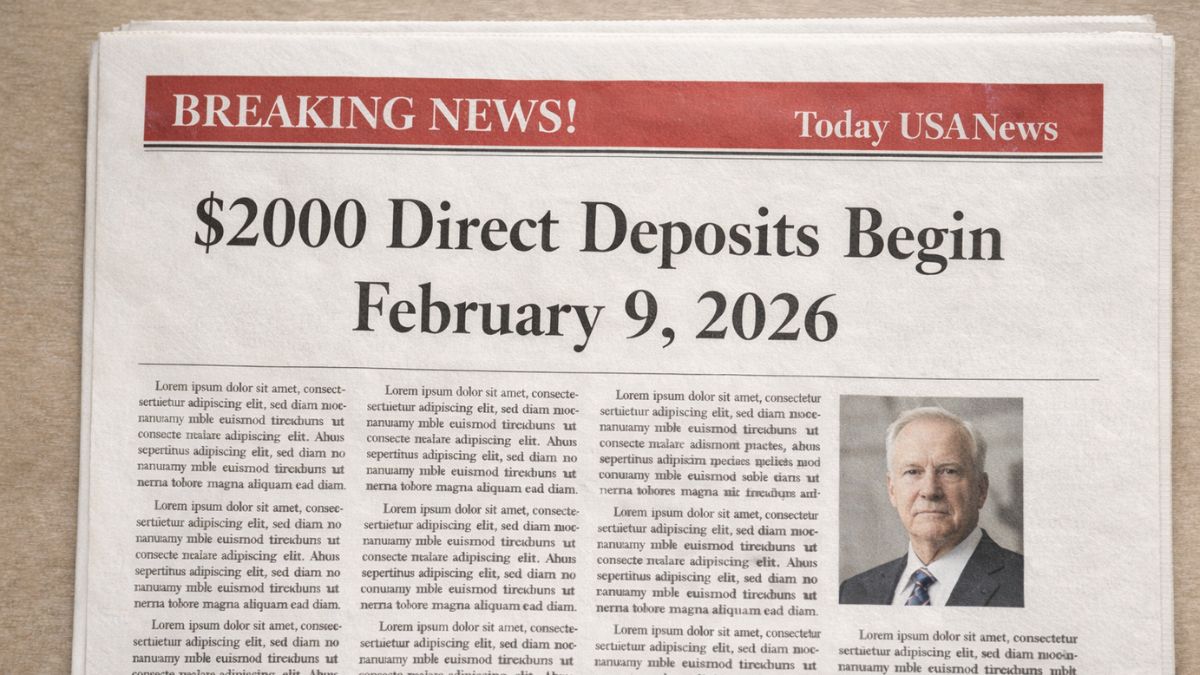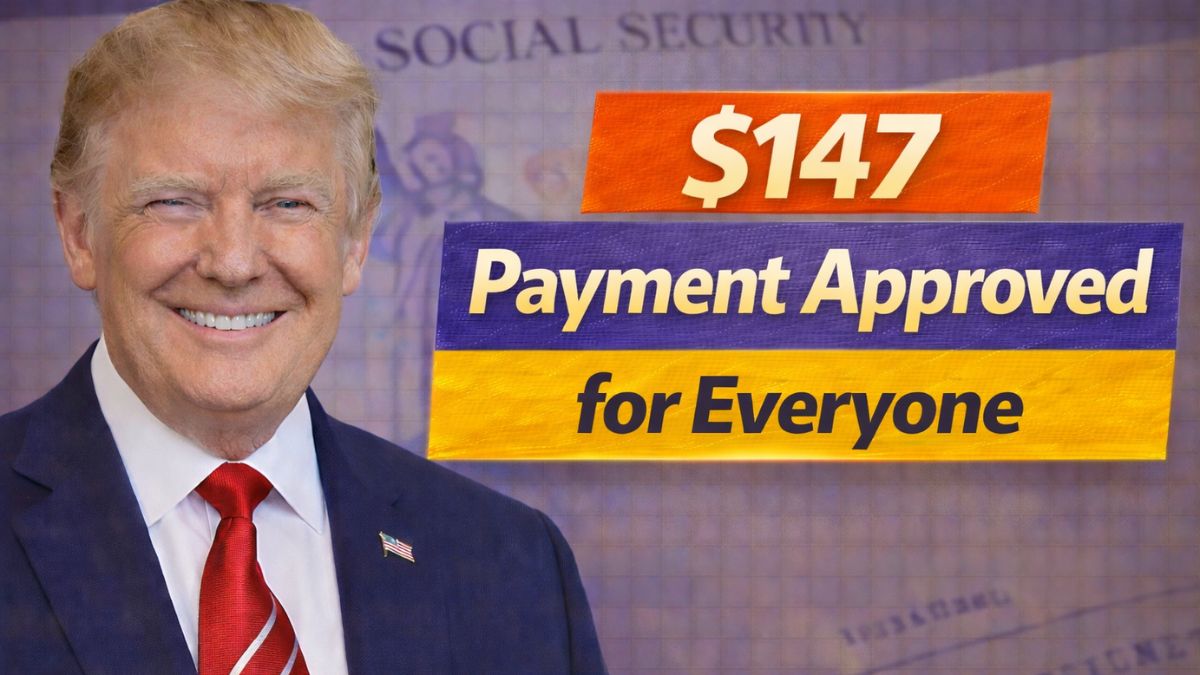
As 2026 begins, talk of a $2,000 direct deposit from the IRS has spread quickly across the country. Many people associate the news with past stimulus checks, but this payment is being framed differently. It is described as a short-term relief measure meant to help households deal with continued high costs for food, housing, utilities, and healthcare. For families already stretched thin, even a one-time payment can feel important.
How This Payment Is Different From Past Relief
Unlike earlier relief programs that required new applications or special sign-up portals, this payment is designed to use tax information the IRS already has. By relying on existing records, the goal is to reduce confusion and speed up delivery. Most eligible individuals would not need to apply or submit extra paperwork, making the process simpler than previous efforts.
Why the Payment Is Timed for Early 2026
Although inflation has slowed, everyday expenses remain high for many Americans. Rent, groceries, insurance, and medical costs continue to rise faster than wages in many areas. Early January is also a financially difficult time for many families due to holiday spending, higher winter utility bills, and insurance renewals. Issuing payments early in the year is intended to help households regain balance before tax refunds arrive later.

How the Money Would Be Delivered
For most eligible recipients, the payment would be sent through direct deposit. If you have previously received tax refunds electronically, the IRS already has your bank information. Direct deposit is the fastest and safest option, allowing funds to arrive quickly. For those without bank details on file, prepaid debit cards or paper checks may be used, though these methods usually take longer.
Who Is Expected to Qualify
The payment is often described as being “for all,” but eligibility is based on income levels. Low- and middle-income households are expected to qualify for the full amount, while higher earners may receive a reduced payment or none at all. Eligibility would be determined using recent tax returns. Many people who receive Social Security or disability benefits may qualify automatically if their information is properly linked.
Why Accurate Records Matter
Payment delays often happen because of outdated information. Changes in bank accounts, mailing addresses, or missing tax filings can cause problems. Reviewing your most recent tax return to ensure all details are correct can help prevent delays. People who usually do not file taxes may still need to submit a return so the IRS can confirm eligibility.

Avoiding Misinformation and Scams
Whenever government payments are discussed, misinformation spreads quickly. The IRS does not ask for personal details through texts, emails, or phone calls. Any message claiming to unlock or speed up a payment for a fee should be ignored. Official IRS announcements are the safest source of accurate updates.
What This Payment Could Mean
While a $2,000 payment will not fix long-term financial challenges, it can offer temporary relief. Many households may use it to pay bills, reduce debt, or build a small emergency cushion. For others, it may simply provide peace of mind during a difficult economic period.
Disclaimer
This article is for informational purposes only and does not provide financial, legal, or tax advice. Details about any IRS direct deposit, including eligibility, payment amounts, and timing, are subject to official decisions and may change. Readers should rely on official IRS communications or consult a qualified professional for guidance specific to their situation.