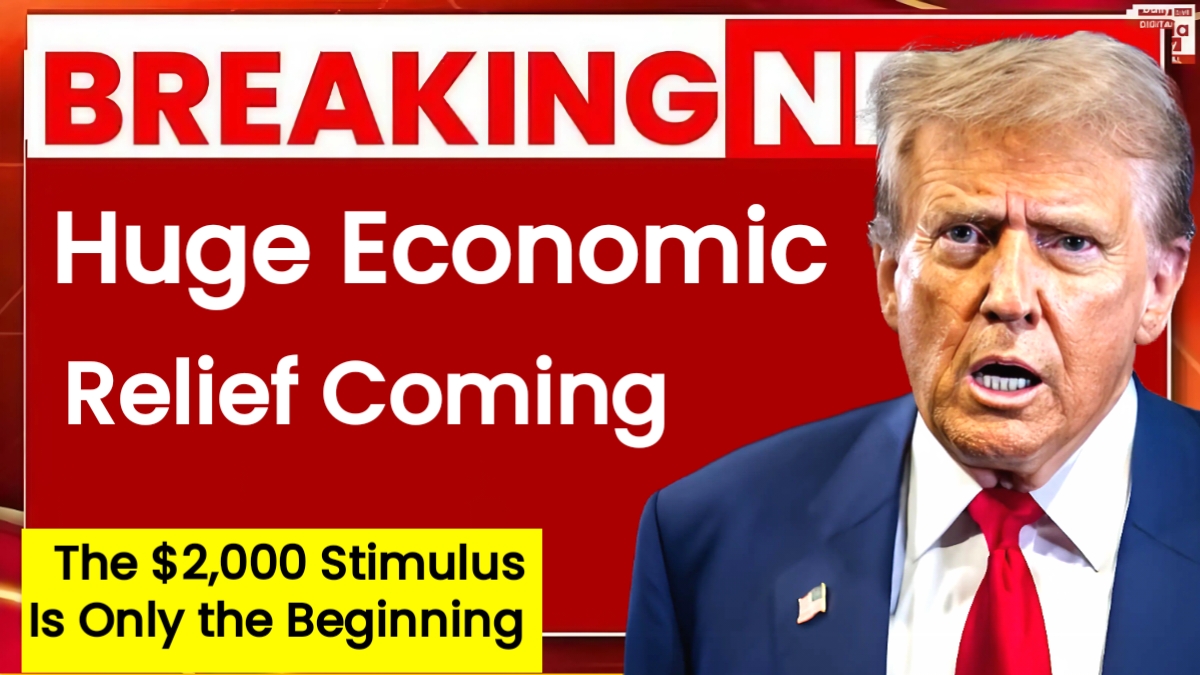
The $2,000 Stimulus Is Only the Beginning: Millions of Americans may soon receive expanded financial support as lawmakers continue to debate new economic relief programs for 2025. Rising prices for groceries, housing, transportation, electricity, and medical care have made it difficult for families to manage monthly expenses. Because inflation and slow wage growth continue to impact everyday life, both federal and state leaders are working on new programs designed to reduce financial pressure. While a nationwide federal stimulus has not been officially approved, several proposals under review suggest that Americans may receive stronger relief in the coming year.
The discussion around a possible $2,000 stimulus-style payment has already generated nationwide attention. Although this payment is not yet finalized, it represents only one part of a larger package of economic support being prepared for 2025. Many states with surplus budgets are planning their own relief programs, and federal committees are examining expansions to tax credits and energy support. These combined efforts indicate that 2025 could become a year where households receive more help than they have in recent years.
What Lawmakers Are Preparing for 2025
Several types of relief programs are being discussed to address financial struggles affecting millions of Americans. Committees at both state and federal levels are reviewing plans for one-time relief checks, expanded tax credits, and new energy cost reductions. The goal of these programs is to ease the burden caused by several years of high inflation and slow wage growth. Although these proposals are still under review, the discussions suggest that lawmakers understand the continued challenges facing families, seniors, and low-income households.
यह भी पढ़े:
 IRS Just Confirmed: $2,000 Direct Deposit Payments Coming November 2025 – Are YOU Getting One?
One-time relief checks of up to $2,000 are among the most widely discussed options. These payments, if approved, would help Americans cover rising expenses including groceries, gas, rent, and utility bills. In addition to direct payments, expanded tax credits are being proposed to provide long-term support. Energy relief programs, senior-focused financial assistance, and state-level rebates are also part of the broader plan being developed to support households in 2025.
Who May Qualify for New Relief Programs
If these programs move forward, relief would likely target low-income and middle-income families, seniors on fixed incomes, households with children, and individuals struggling with rising costs. Lawmakers recognize that many families have not fully recovered from the economic challenges of recent years and that extra support is needed to stabilize household budgets. While each program will have its own eligibility criteria, most proposals aim to help those who have been most impacted by inflation and high living expenses.
Seniors may receive special attention in the new proposals because they face increasing medical, prescription, and daily living costs. Families with children may also benefit through expanded credits that reduce tax bills or increase refunds. Households with low or moderate incomes could qualify for multiple programs at the same time, depending on state and federal guidelines. Because nothing is approved yet, final eligibility details will be announced only after lawmakers reach a decision.

Understanding the Proposed $2,000 Payment
The possibility of a $2,000 relief payment has become one of the most talked-about topics for 2025. This payment is intended to help Americans struggling with high prices for essentials such as food, rent, gas, electricity, and medical care. Although it has not been approved as a federal stimulus, many states with strong budgets are considering creating their own version of this payment. The purpose of the proposed payment is to provide temporary relief while the economy continues to recover.
Lawmakers have suggested that this payment could be especially helpful during a year marked by economic uncertainty. If approved, the relief could help families catch up on bills, reduce credit card debt, or manage emergency expenses. States that choose to create their own versions of the payment may release additional details in the coming months. However, until official announcements are made, the public should view this payment as a proposal rather than a confirmed benefit.
Tax Credit Expansions Could Increase Refunds
Federal committees are also reviewing expansions to several important tax credits, including the Child Tax Credit (CTC), the Earned Income Tax Credit (EITC), and the Low-Income Energy Tax Credit. These credits are essential tools for helping working families reduce their tax burdens and increase their refunds. Expanded credits could give families hundreds or even thousands of dollars more during the 2025 tax season, offering long-term financial support.

If approved, these expansions could help families who do not qualify for one-time relief checks. Increased credits would help reduce the cost of raising children, support low-income workers, and lower energy expenses for households struggling with high utility bills. Because these credits are issued through tax filings, families would receive the benefits when they file their 2025 tax returns in early 2026.
Energy Relief Programs to Lower Monthly Bills
States are preparing new programs to reduce the cost of household utilities. These efforts include expanded home energy rebates, support for weatherization upgrades, and temporary credits for electricity and gas bills. High utility costs have become a major concern for families across the country, and these programs aim to reduce monthly expenses during periods of high inflation.
Weatherization programs help households save money by improving insulation and energy efficiency, while temporary bill credits offer immediate financial relief. Some states may also introduce renewable energy incentives to help long-term cost reductions. These programs will vary from state to state, depending on budget availability and legislative support.

Support for Seniors and Fixed-Income Households
Seniors face unique financial challenges because their income often remains fixed while living costs continue to rise. New proposals for 2025 include supplemental payments for seniors, caps on prescription drug costs, and expanded Medicare savings programs. These measures aim to protect older Americans from the rising costs of medicine, health care, and daily necessities.
Because seniors rely heavily on monthly Social Security benefits, even small cost increases can create financial strain. Additional support would help maintain stability for retirees who have limited income sources. If approved, these programs could make a meaningful difference in improving the financial security of older adults.
When Relief Could Begin
If lawmakers approve the proposed programs, many relief measures could begin rolling out between March and September 2025. State-level payments may arrive earlier depending on budget decisions and legislative timelines. Families should watch for official announcements from their state or the IRS to understand when benefits might begin.

What Citizens Should Do Now
While waiting for official confirmation, citizens should monitor government updates, review their tax information, and ensure that direct deposit details are current. Checking eligibility for existing credits and rebates can also help households reduce expenses immediately. Avoiding misinformation and relying only on official government announcements will help protect individuals from scams or false claims.
Disclaimer
This article is for informational purposes only. None of the relief programs mentioned are guaranteed until officially approved by Congress or state governments. Eligibility rules, payment amounts, and timelines may change. Always follow updates from IRS.gov and official state agencies for accurate information.